Day 2: Santiago to Patagonia National Park

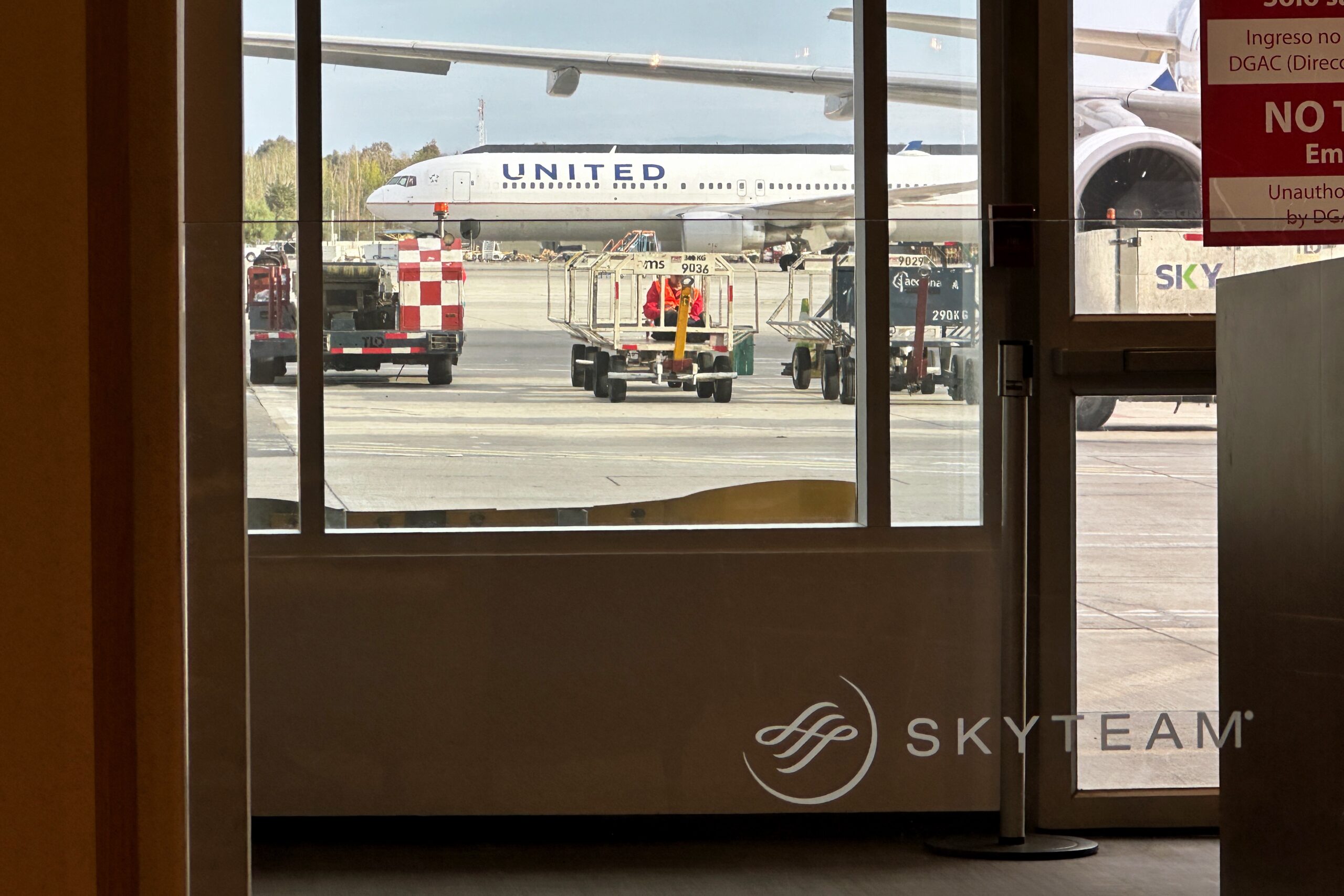
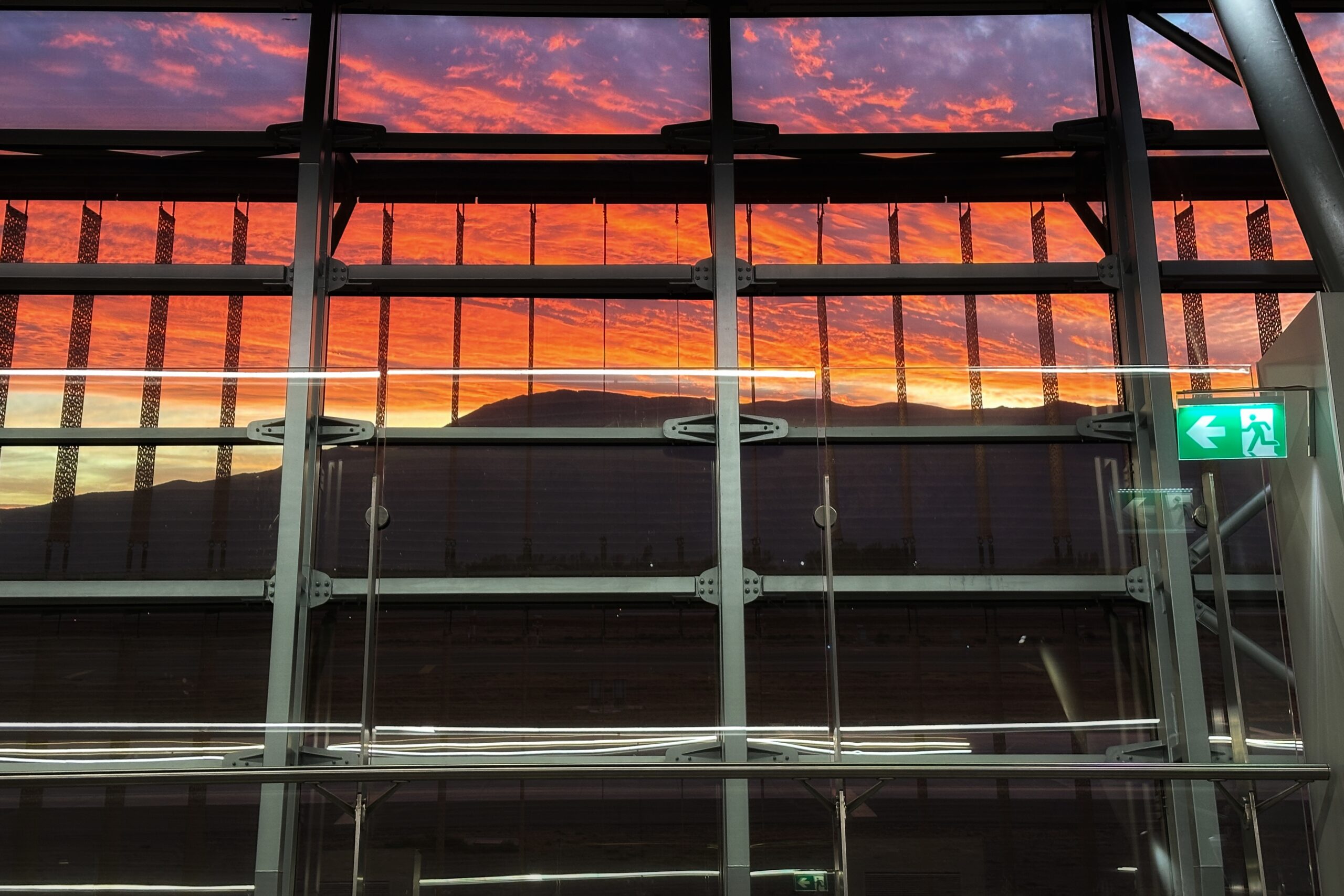
This morning started with a 4:15 wake up call at the Santiago Airport Holiday Inn. We quickly got ready and walked across the street to the domestic terminal. While we know the check-in area can get very crowded later in the day, 5AM is a breeze. We checked our bag and relaxed in the lounge until it was time to board. Like our last flight, we forked over the extra ten dollars for early boarding — this time with the added bonus of exit row seats. The flight left on time and arrived early to the Balmaceda airport.

Early morning start

Exit row leg room for the win

Cloudy and overcast approaching Balmaceda

Not clandestine, but just as pushy

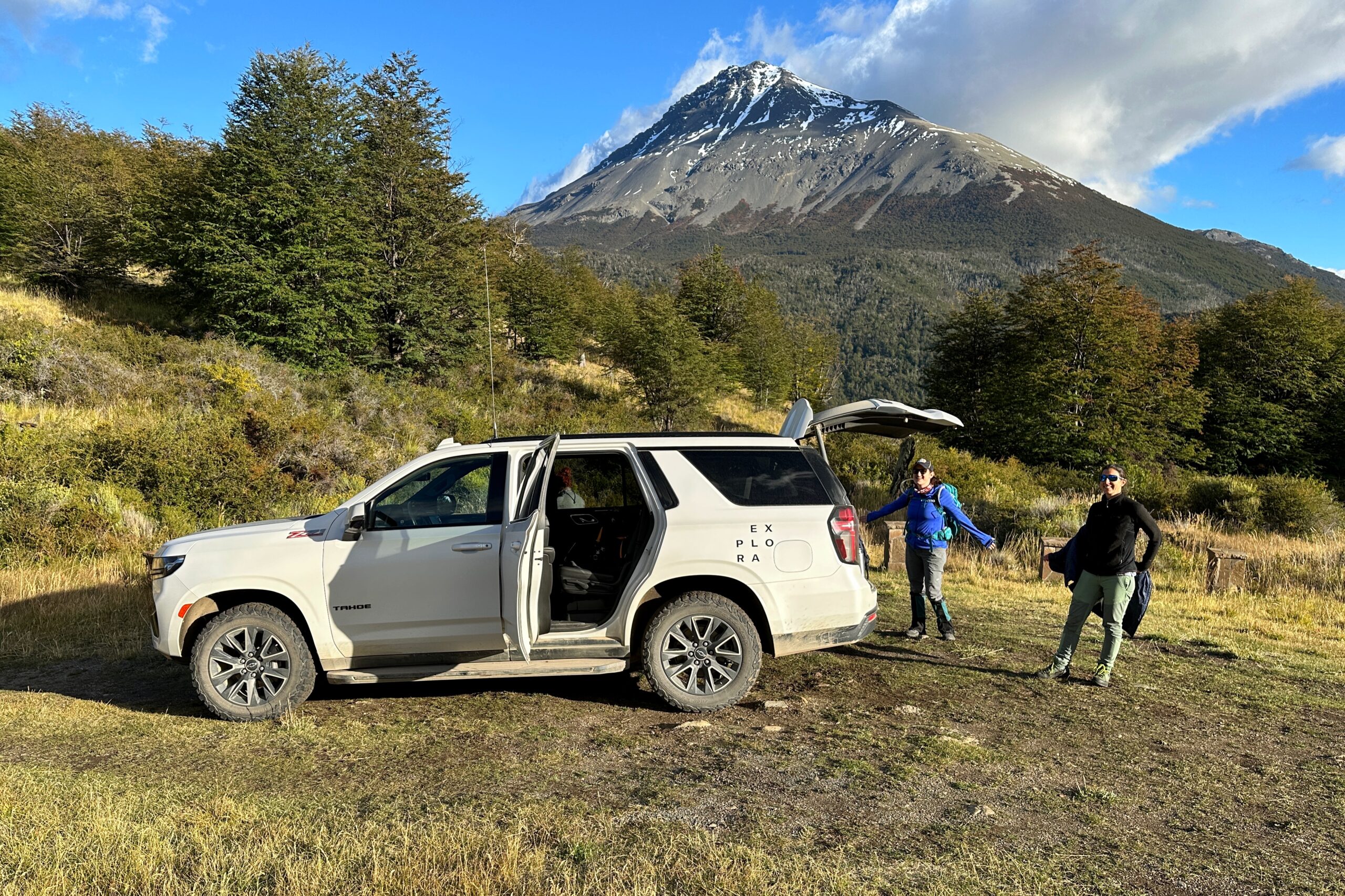
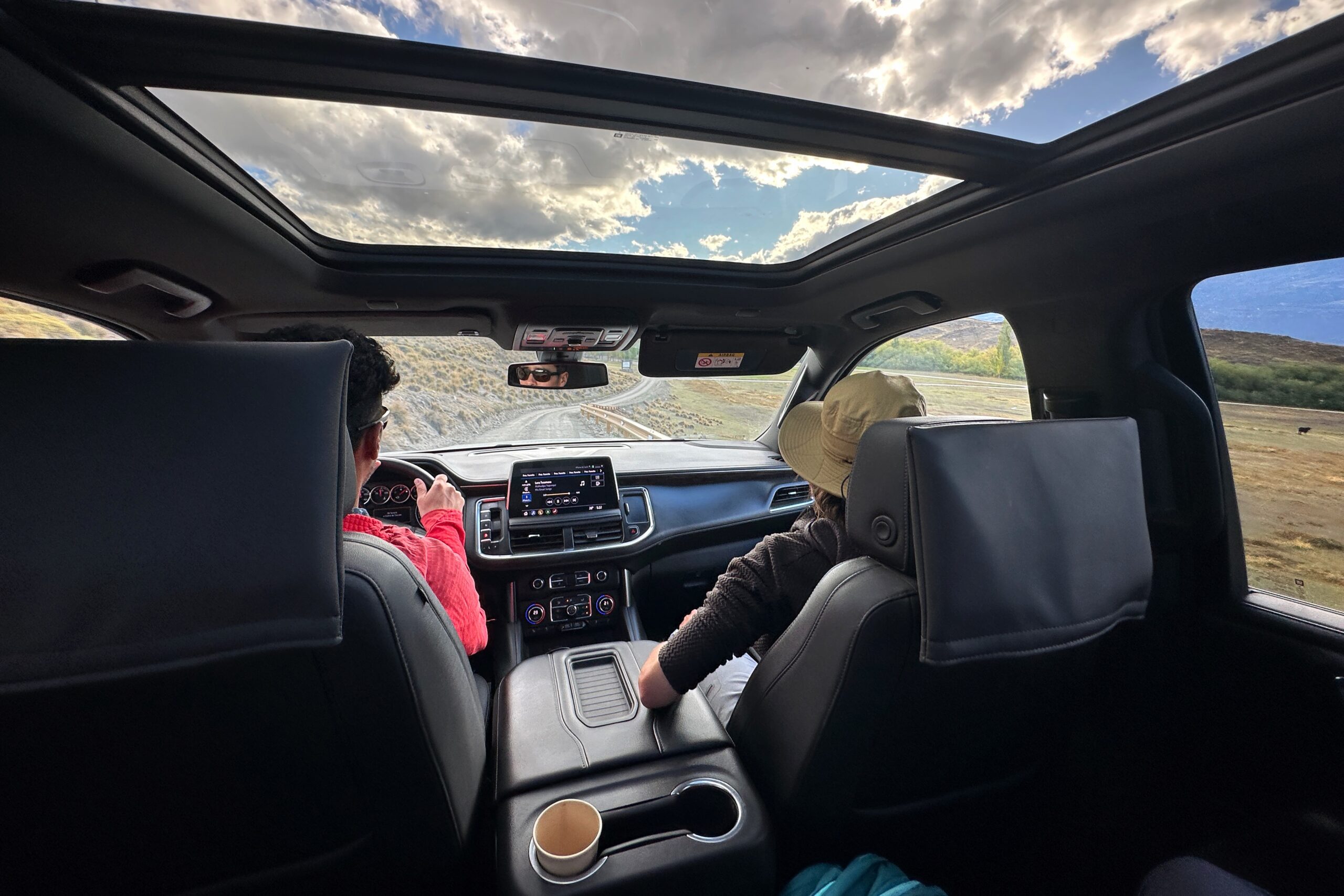
We quickly collected our bag and met our driver, Nelson. Since we were the only guests coming in today, so we got a private five-and-a-half hour drive to Explora. It was raining most of the drive and there were many potholes to avoid on the mostly gravel roads. One tire didn’t make it. But not to fear! Nelson was an expert tire changer and we were back on our way five minutes later.

Pit stop for flat tire

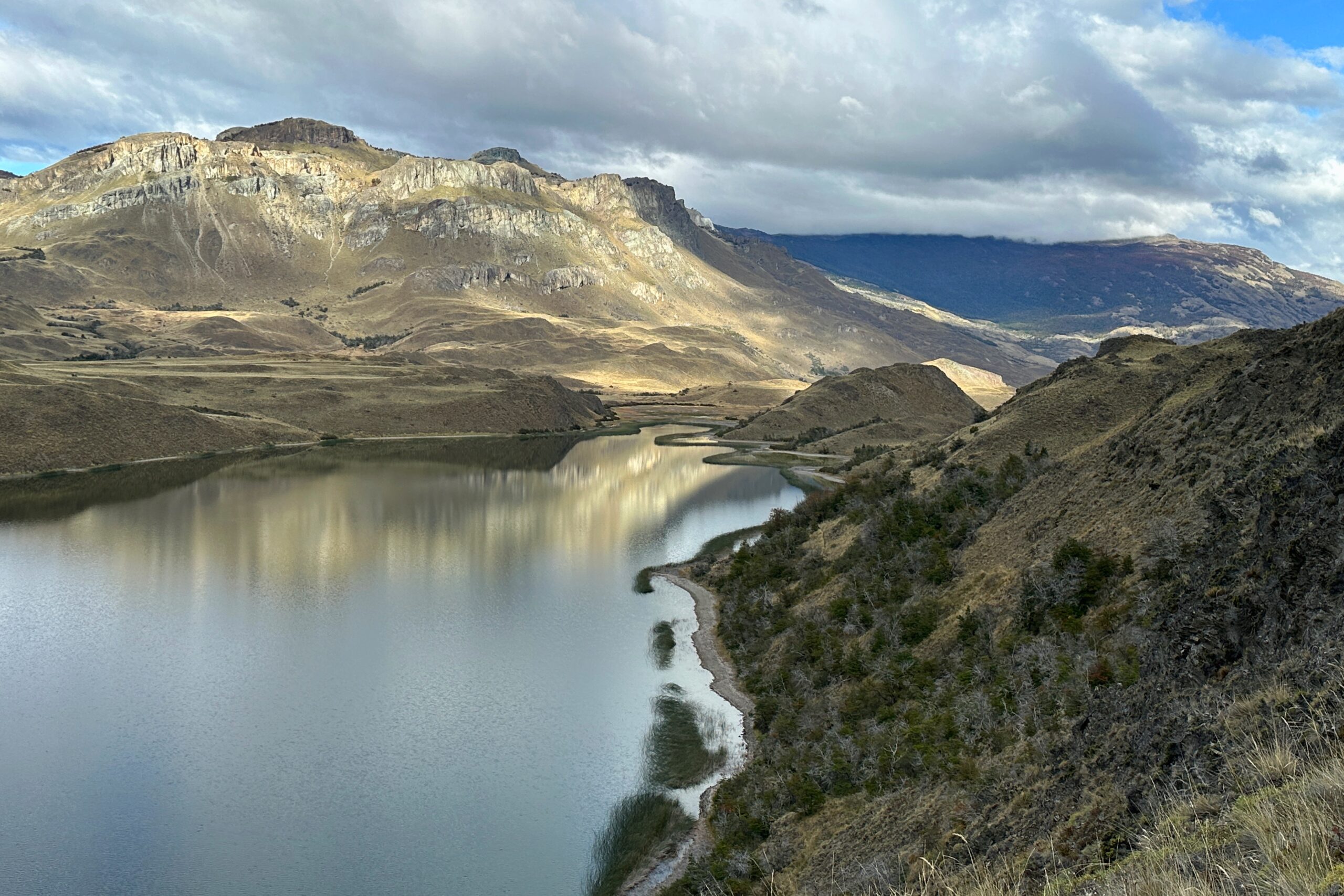
Despite the on and off rain, the views were still stunning. We also got to enjoy a very Patagonian box lunch during the drive.

Brief moment of sunshine over Lago Carrera

Patagonia juice bar

Upon arrival at Explora, we checked in and were shown our room (upgraded to a suite!). Patagonia National park was established in 2018, and the hotel opened only two years ago. Because of this, the restaurant, welcome center/gift shop, and museum are open to the public. The entire park used to be a private ranch and the buildings all existed before Explora opened in this location.

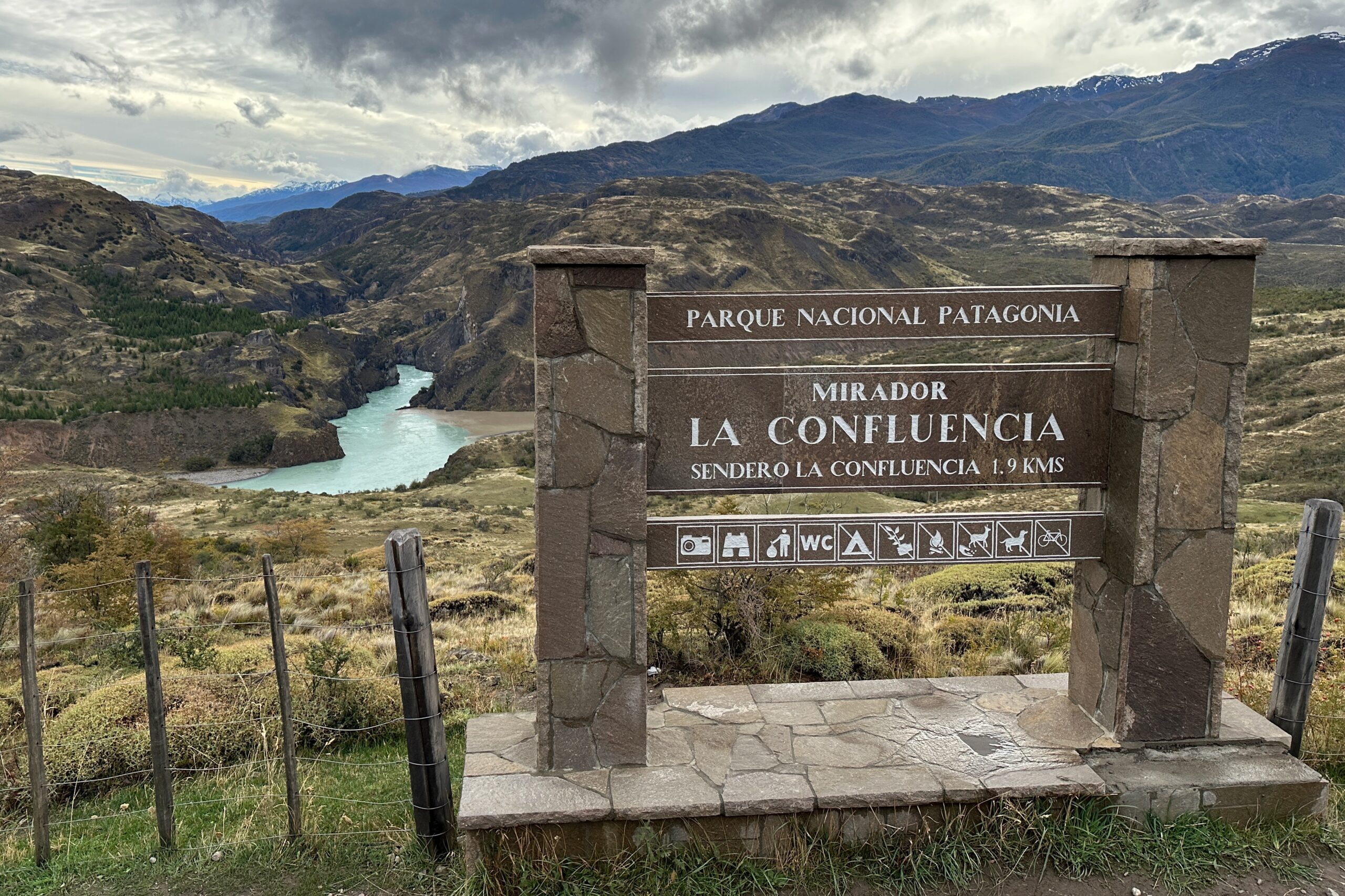
Entering Patagonia National Park

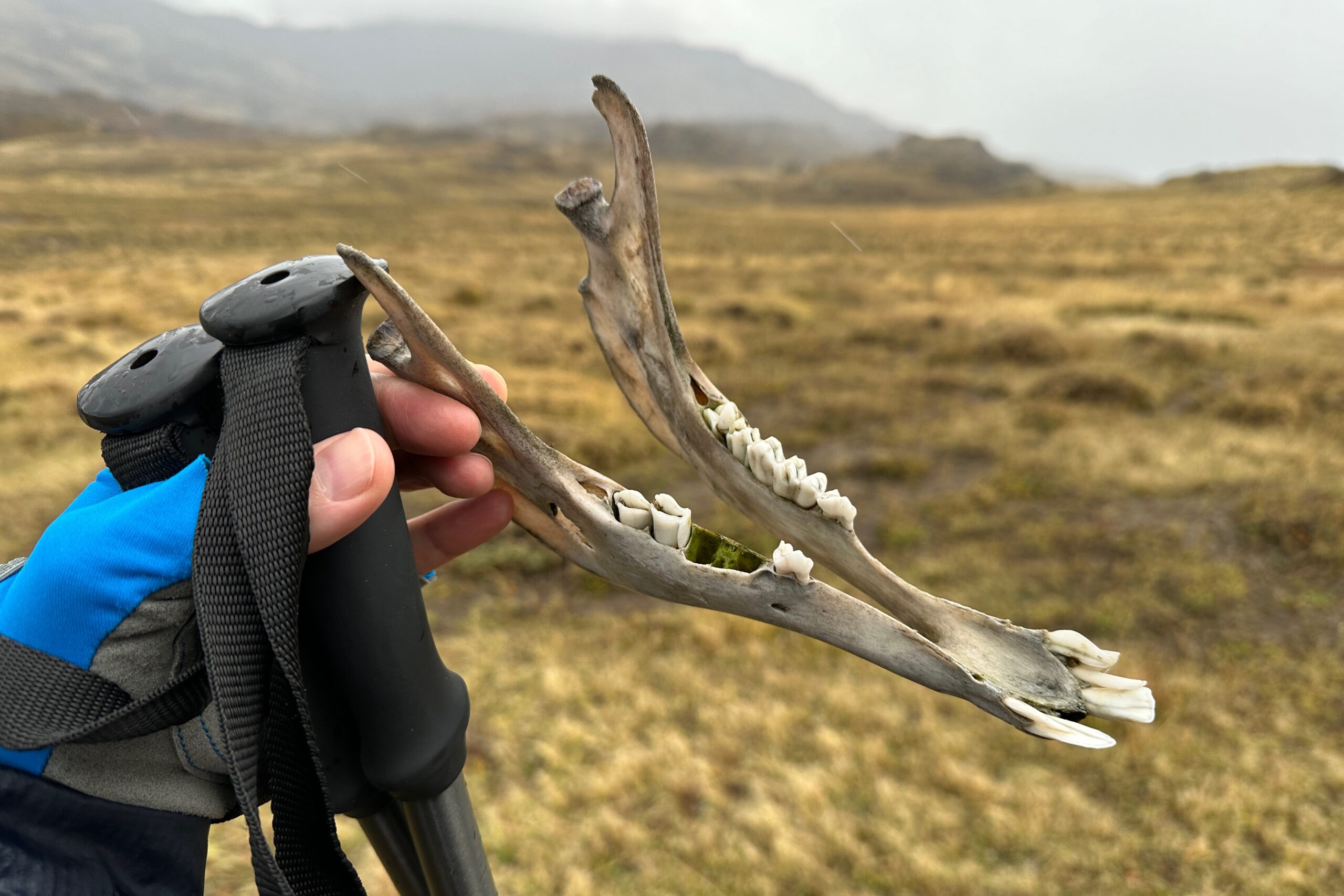
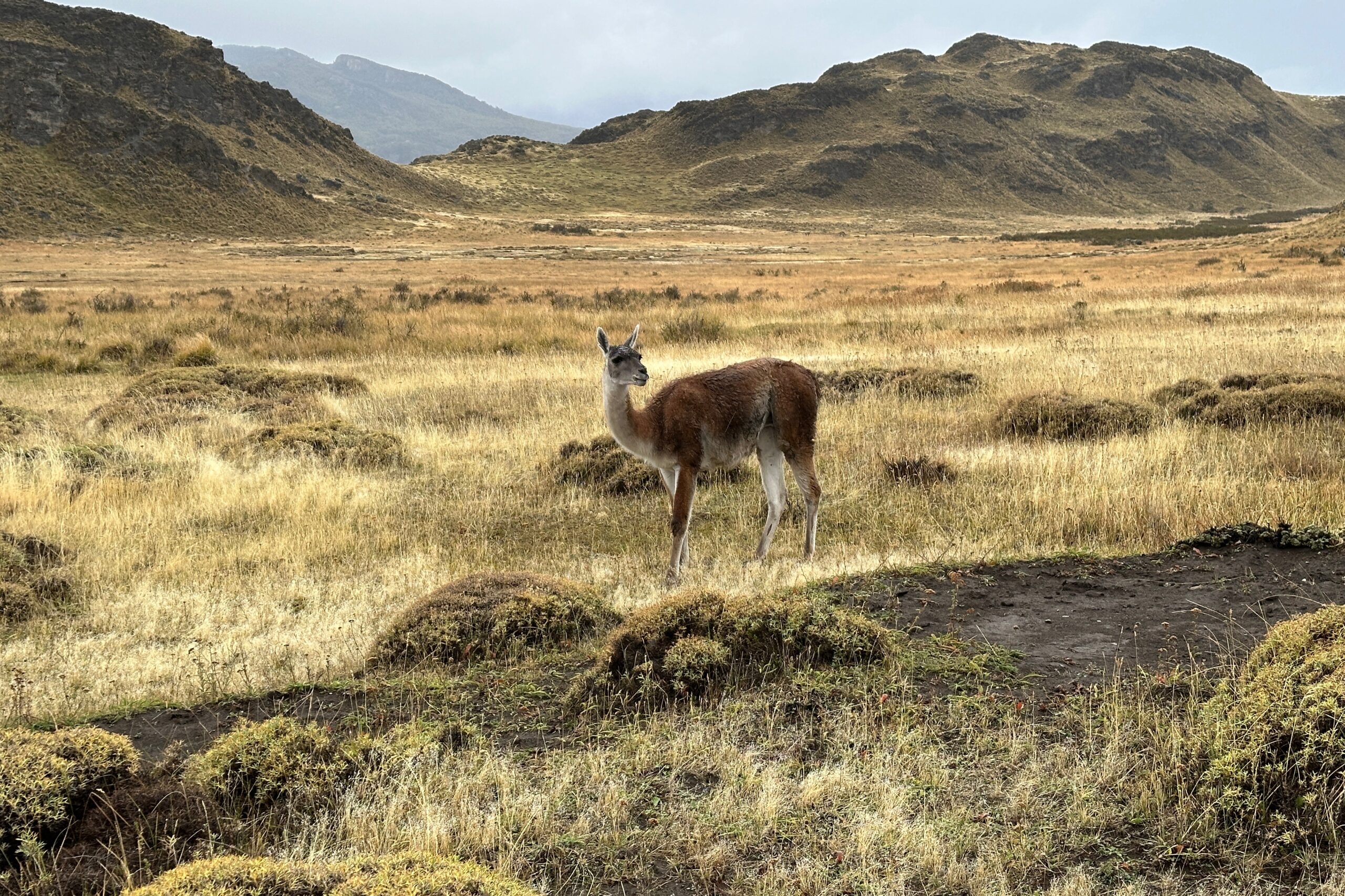
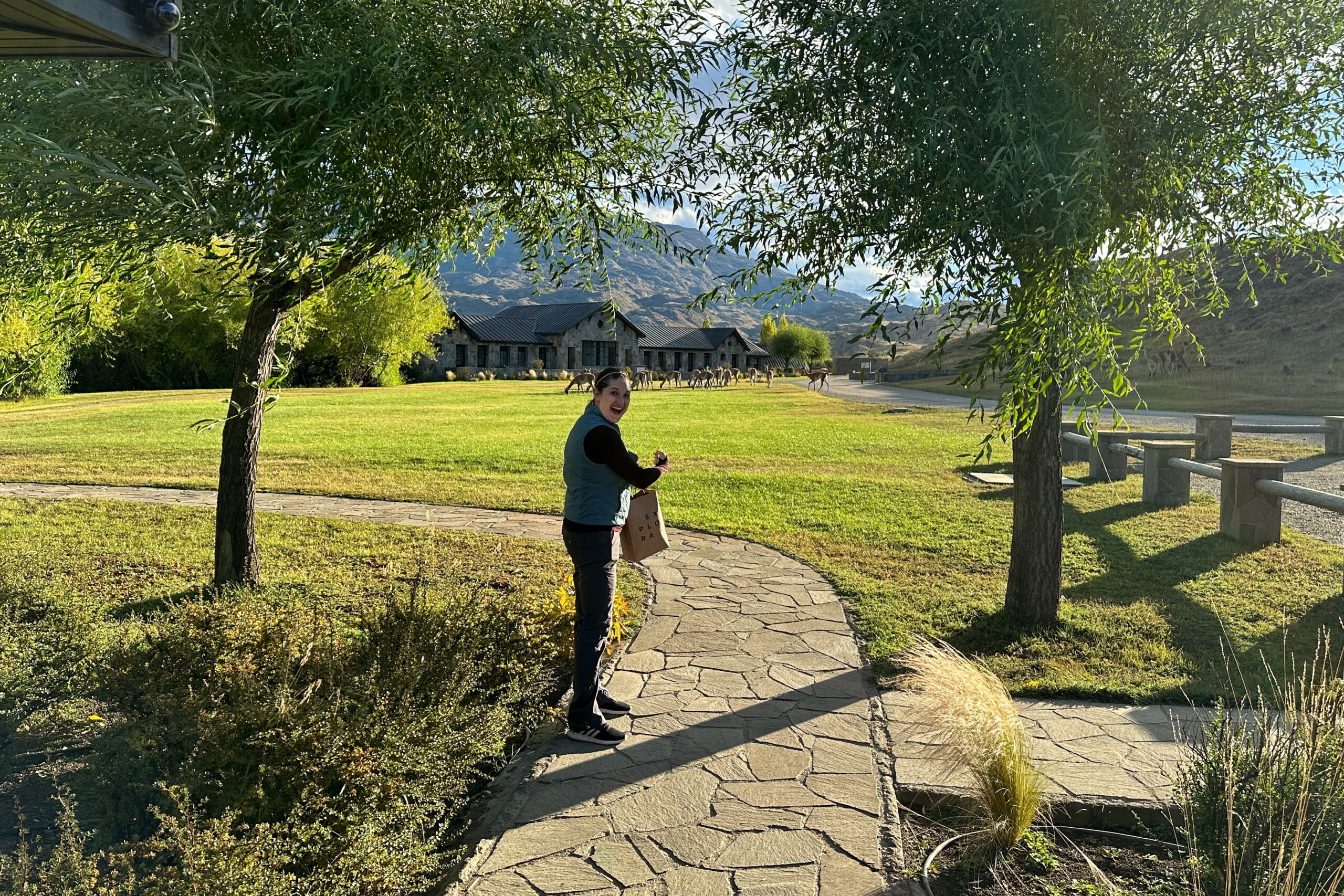
As part of the conservation effort, all of the pens and fences were removed from the park and cattle grazing is no longer allowed. This means that guanacos and pumas roam free in the area. After a few guanacos ran right past us at full speed outside the front entrance, we learned that getting trucked by a guanaco is FAR more likely to kill you here than getting attacked by a puma. So watch out! If a guanaco is running, they DNGAF if you are in the way. Meanwhile, the pumas are pretty chill because there are a million guanaco here for them to eat. By the way, current Puma sighting count still stands at 0.
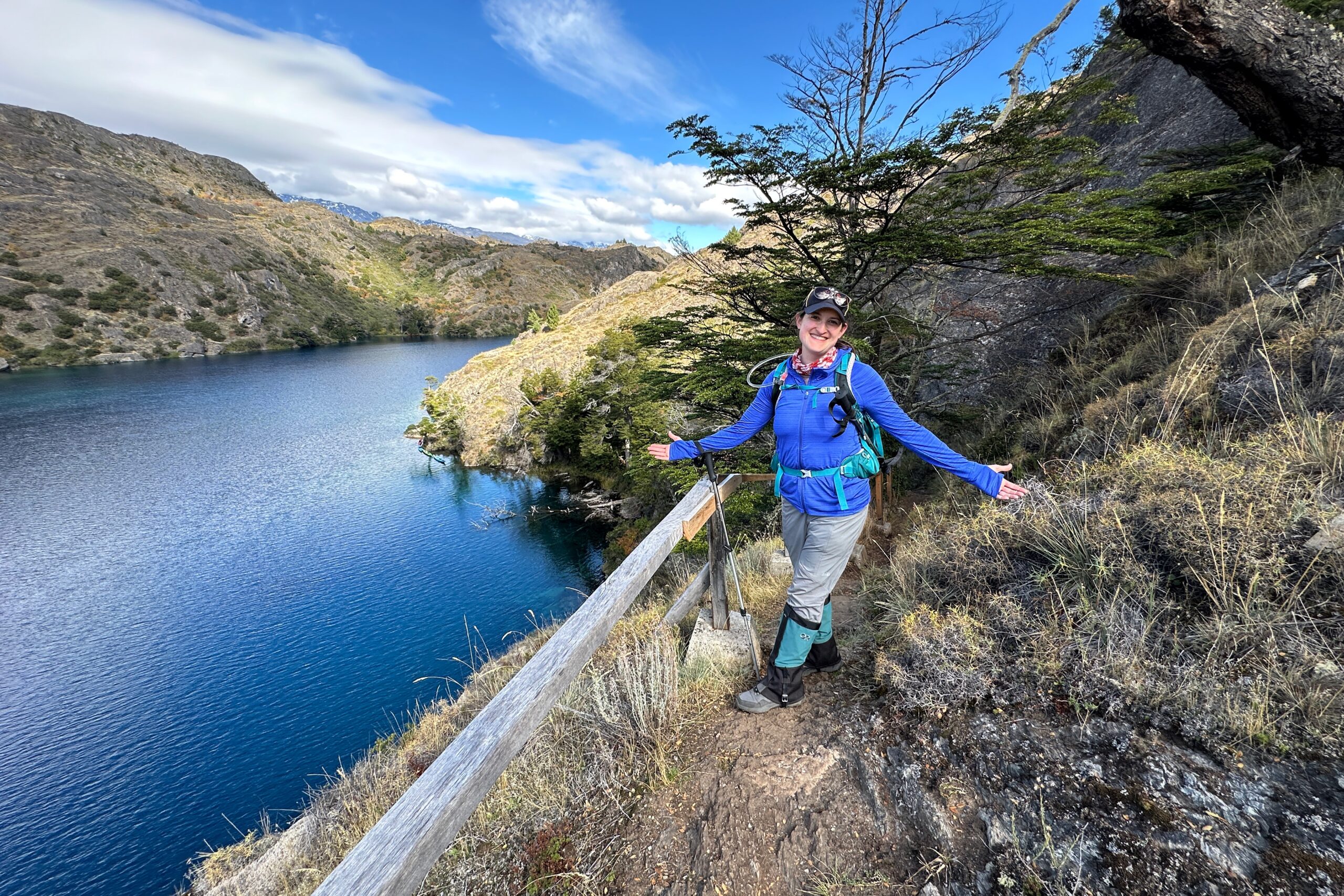
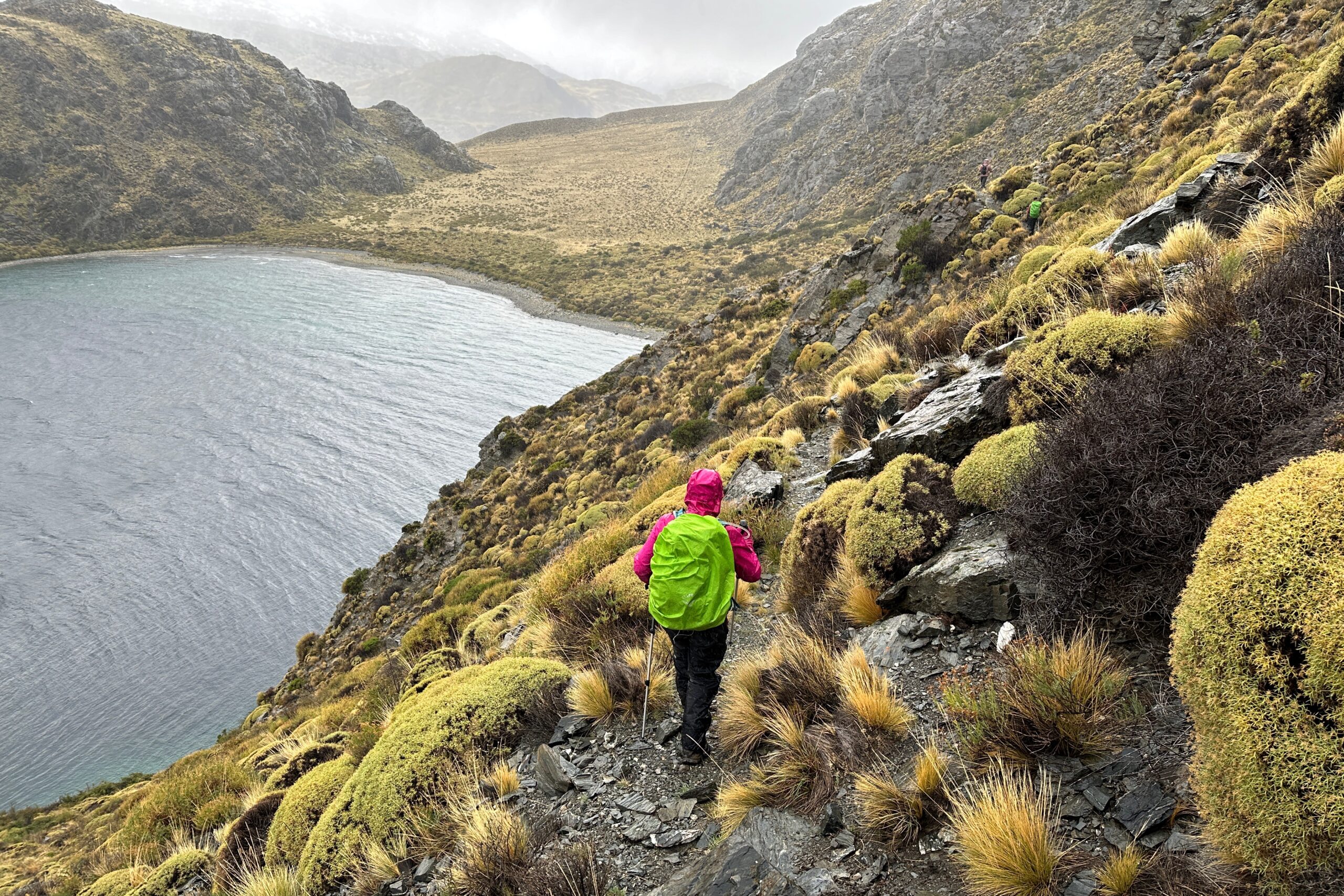
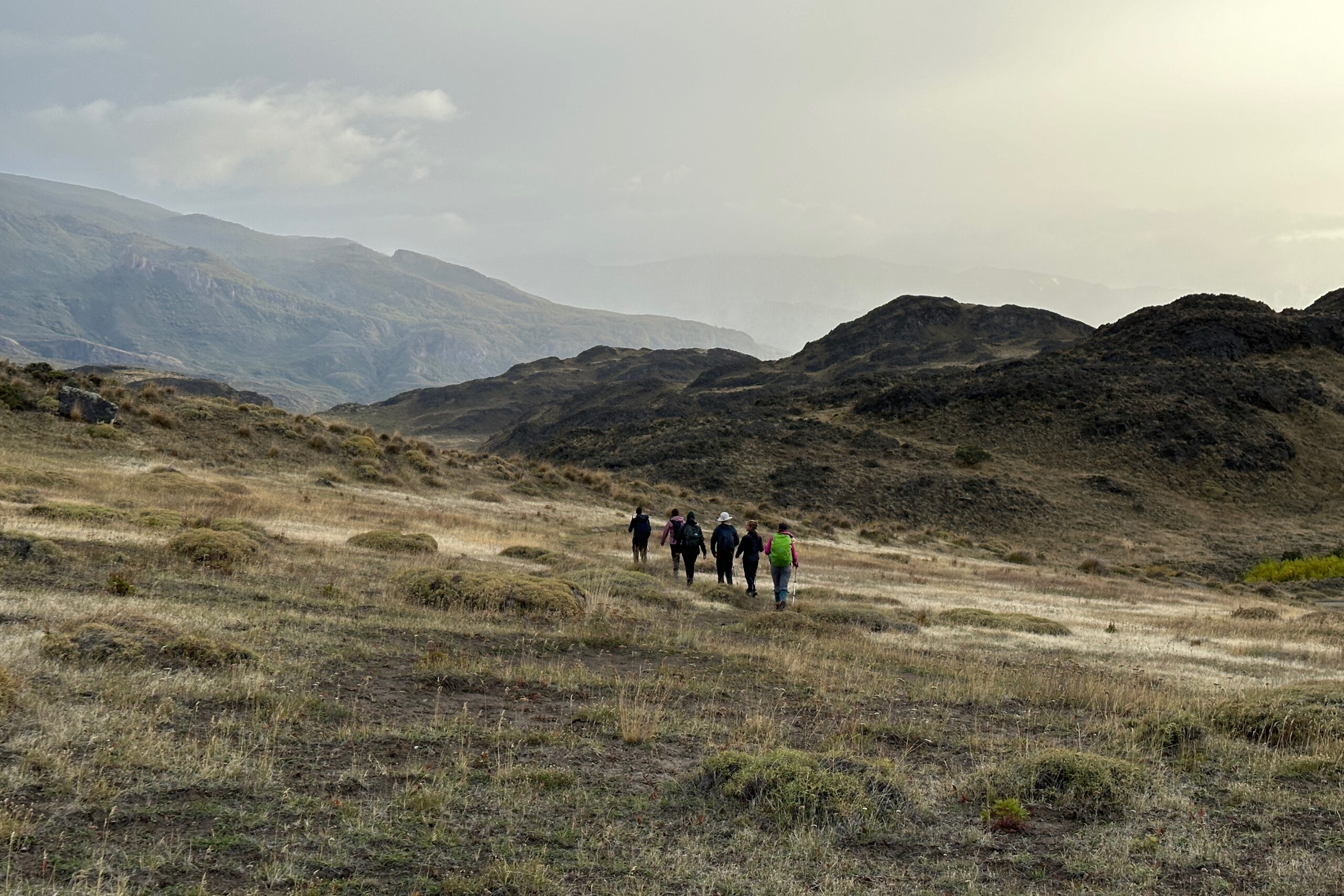
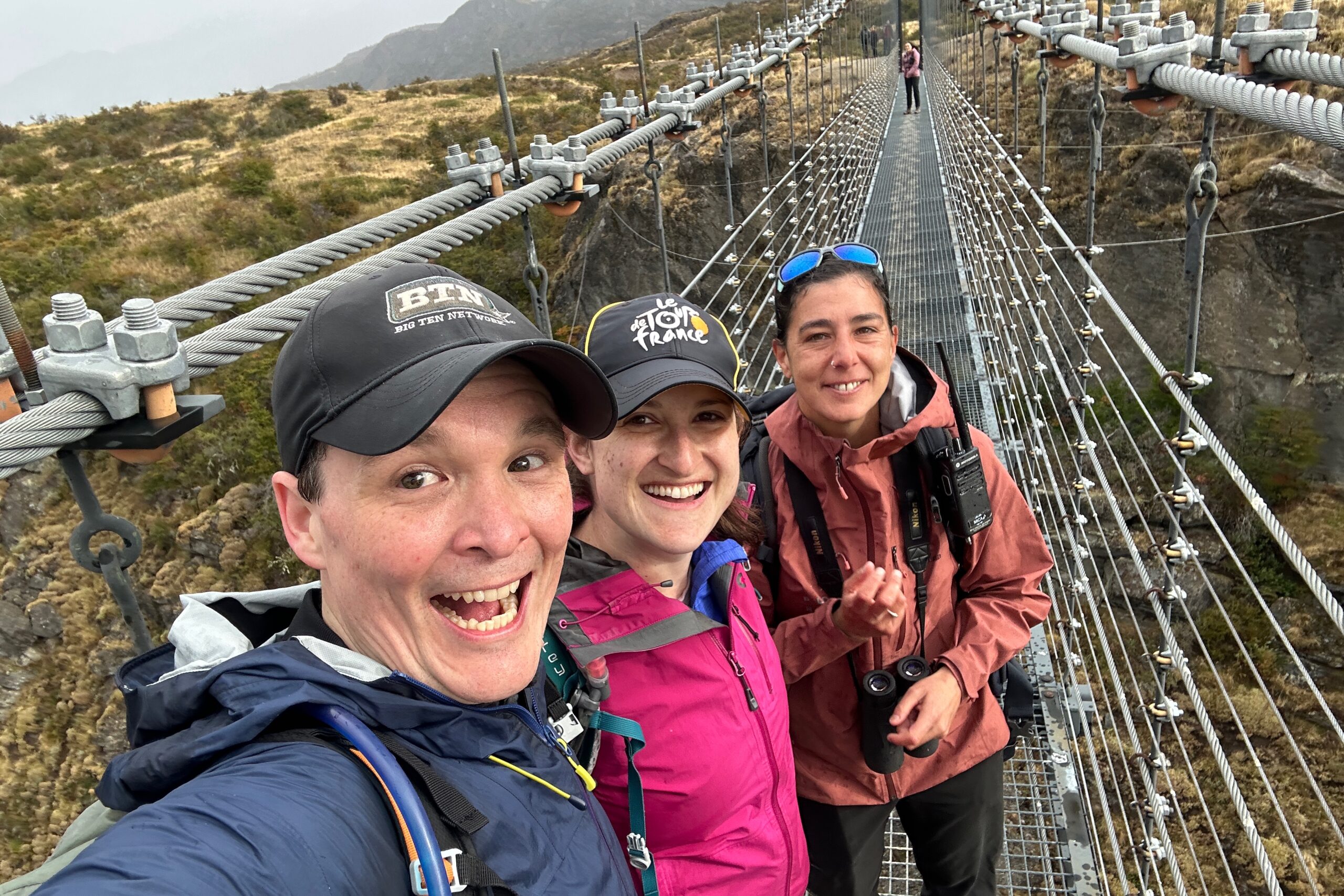
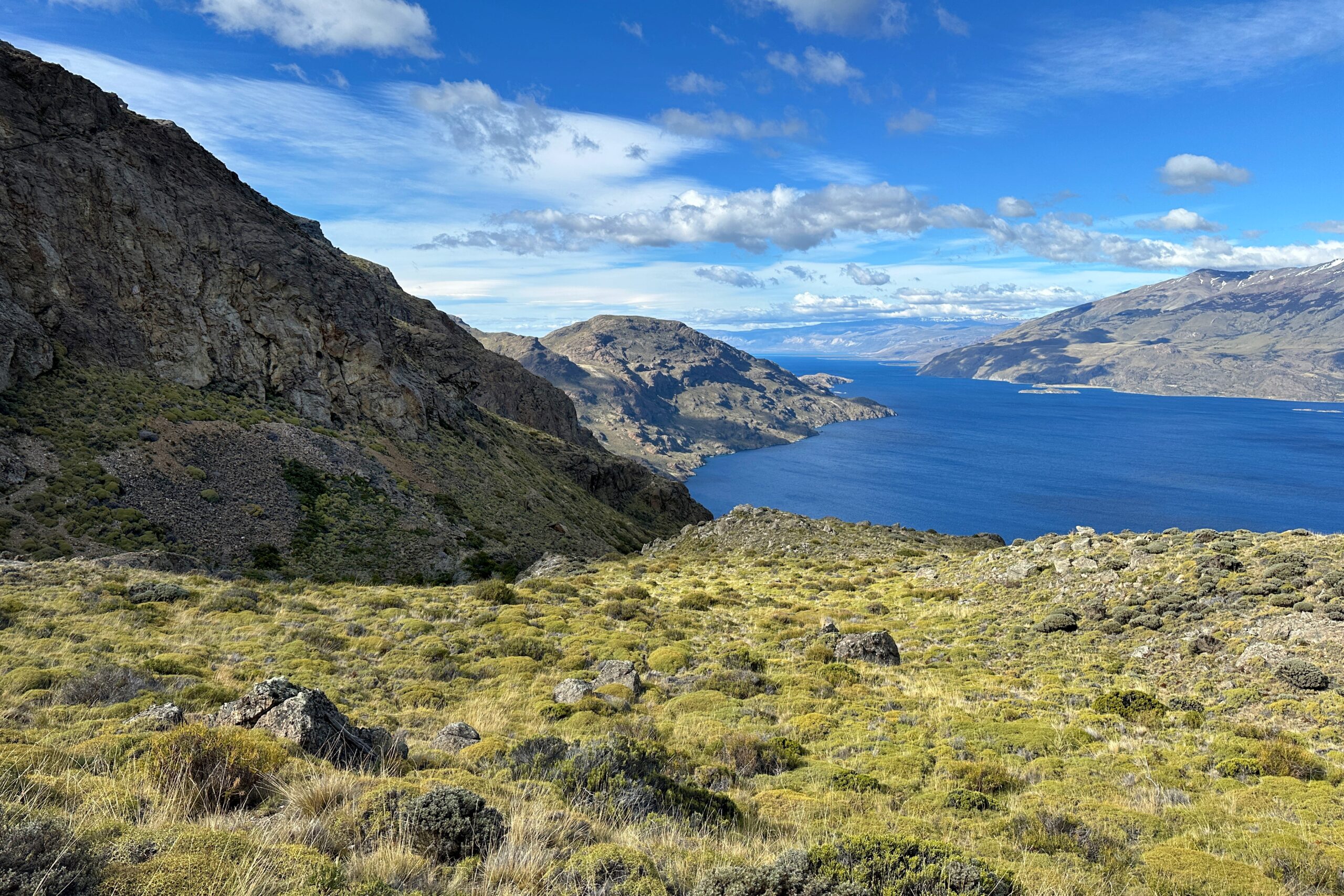
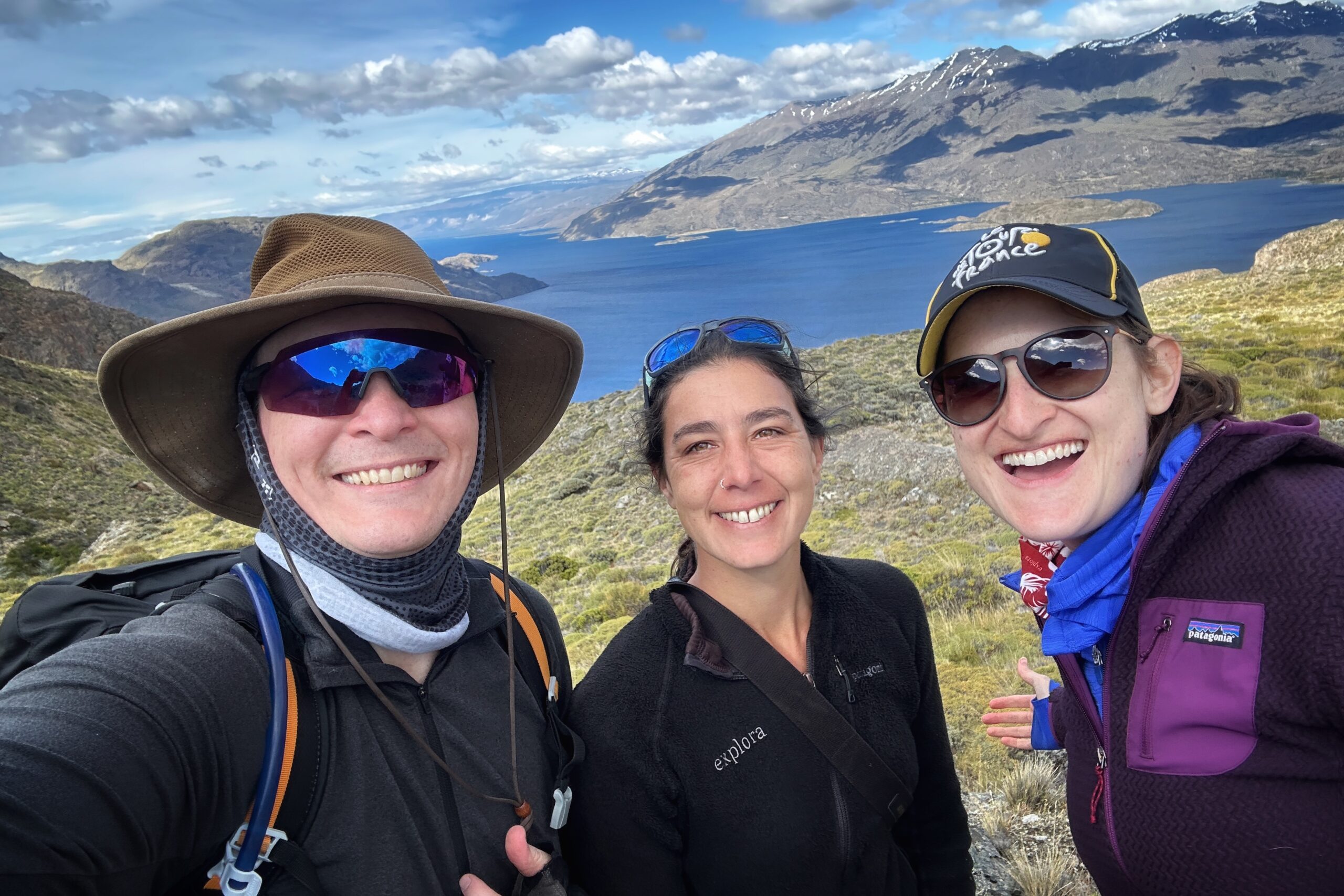
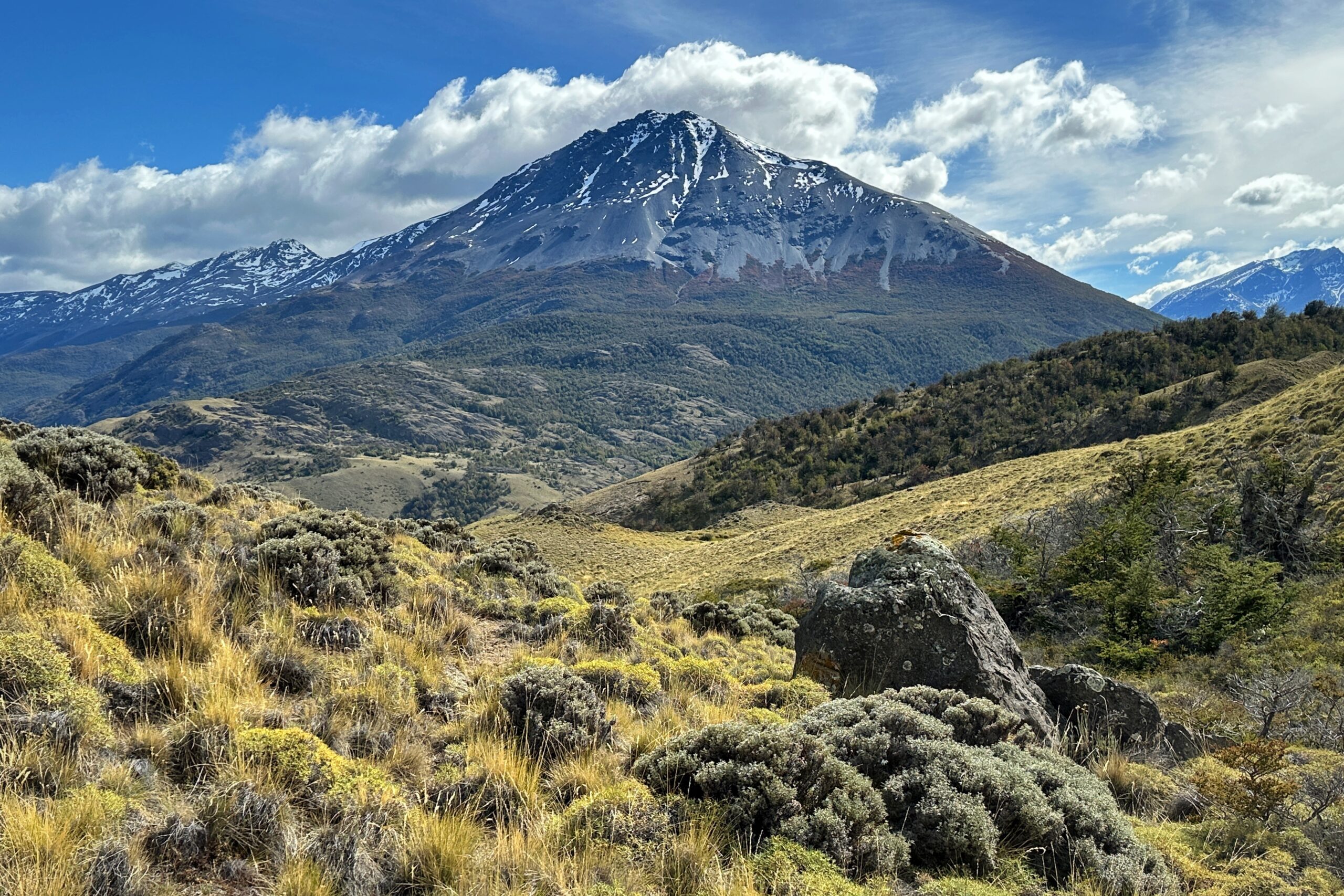
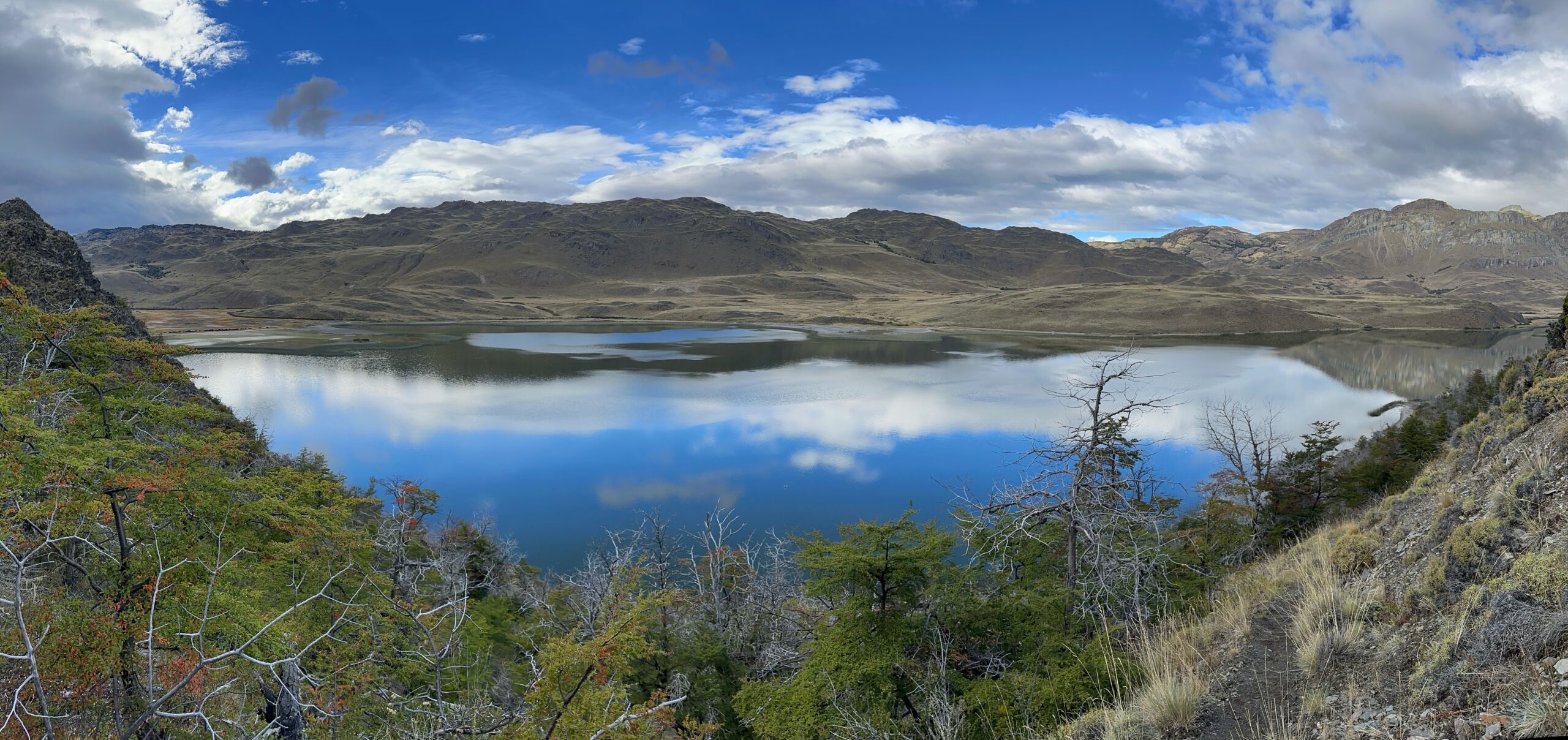
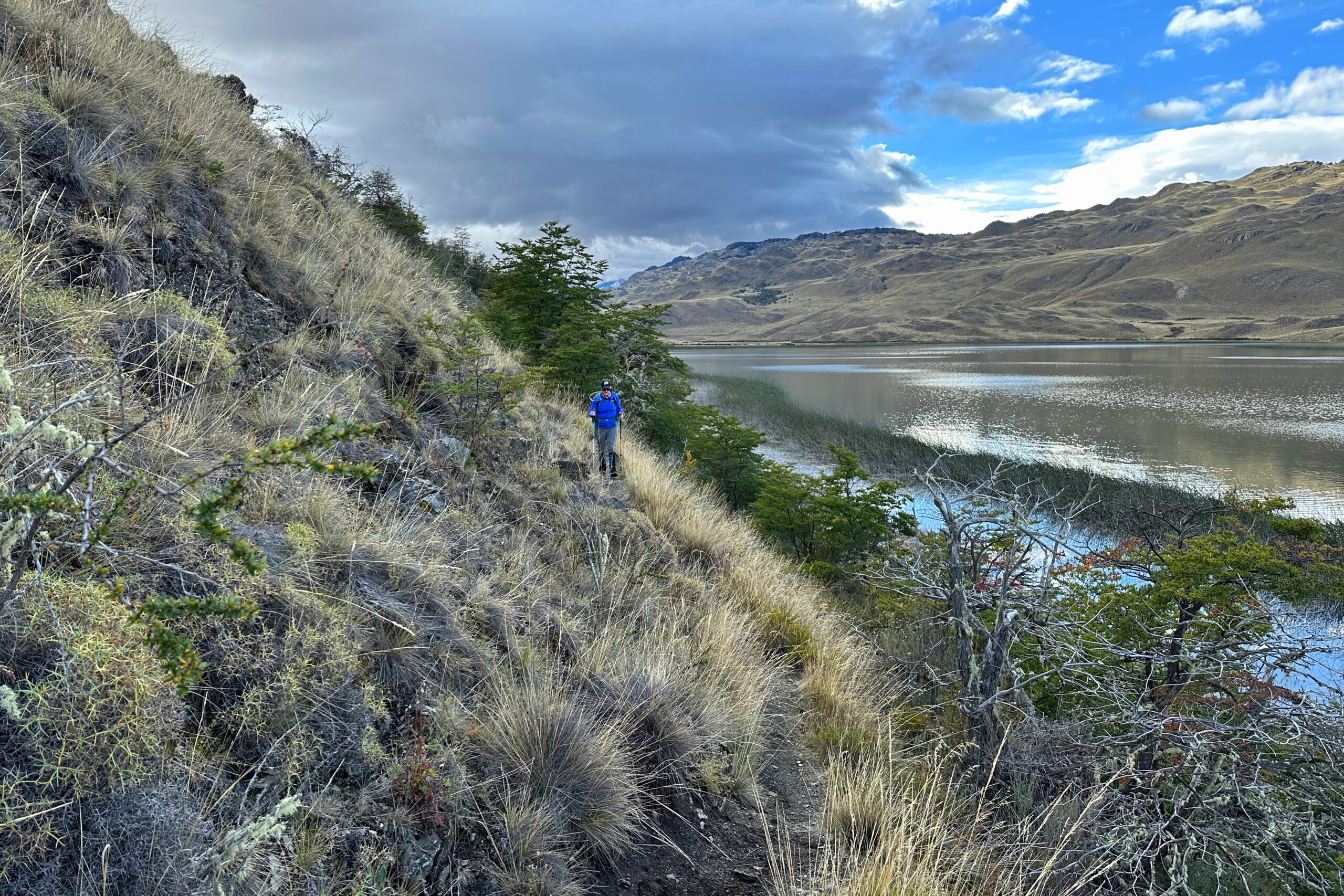
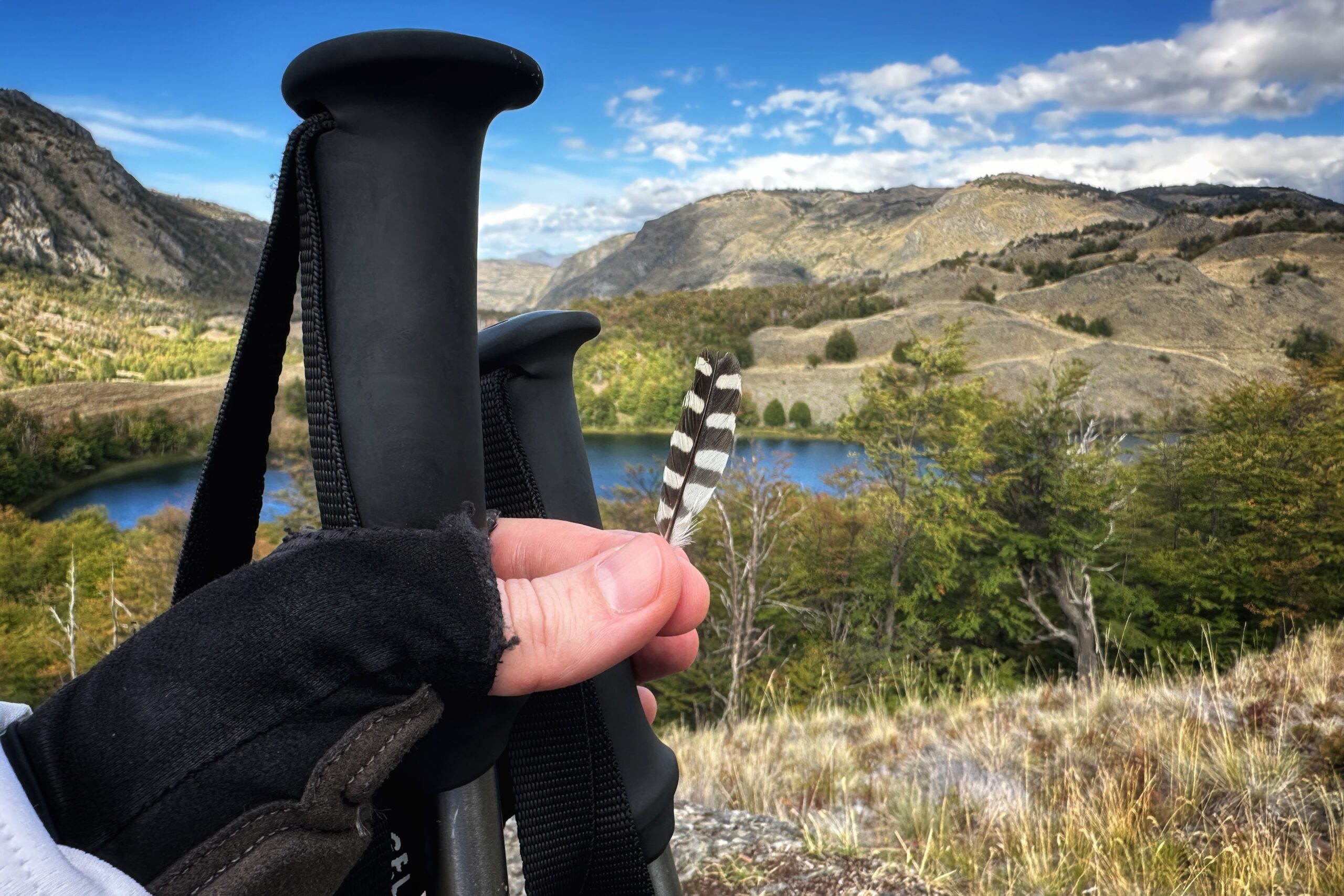
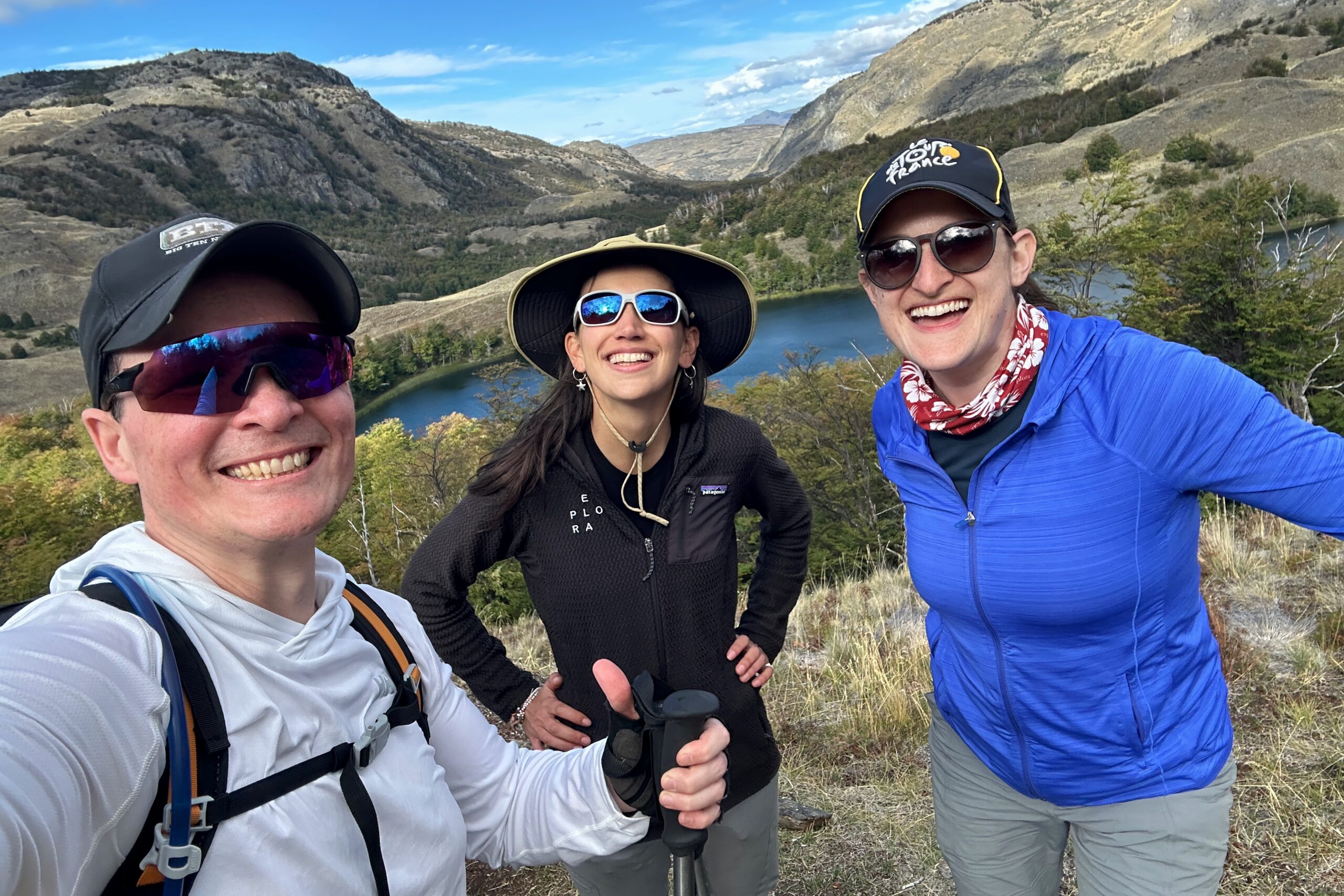
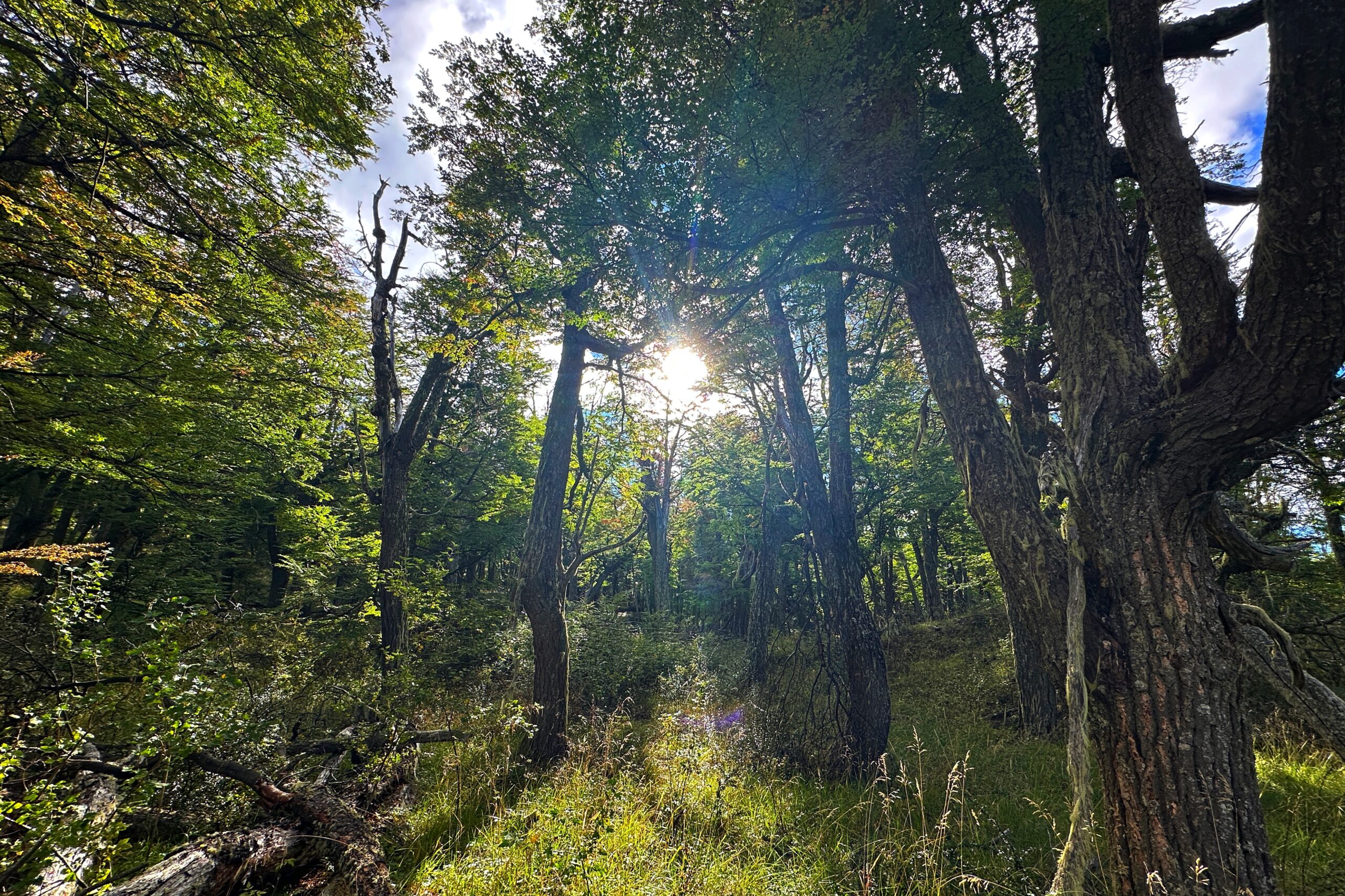
After introductions and a quick change of clothes, we met our guide Poncho for our first Exploration (AKA, when the guides take you on a walk and assesses your hiking ability). We started the hike from the hotel and walked a 3 mile loop. It was a great first hike and the sun even came out.

Afternoon welcome hike — La Vega

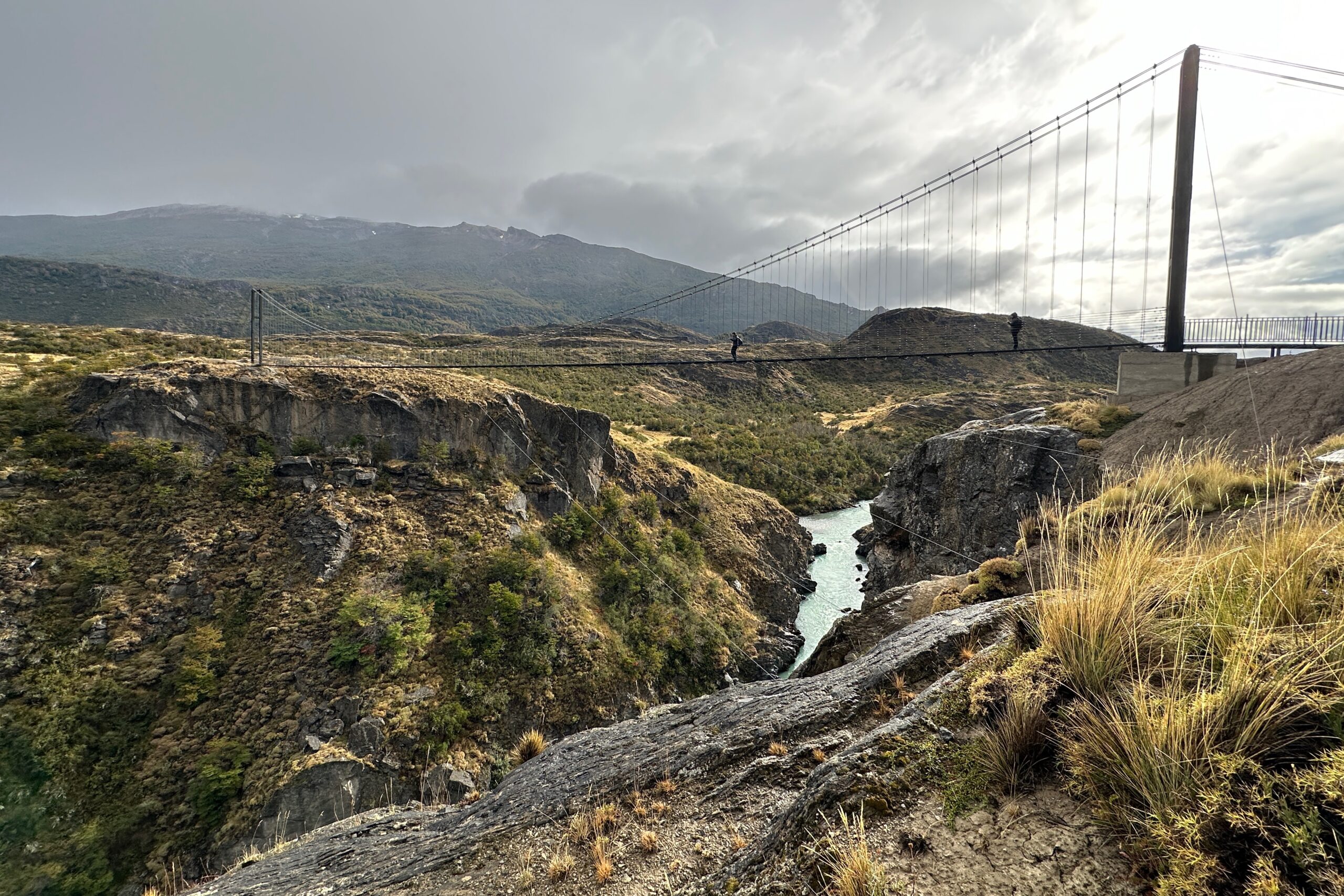
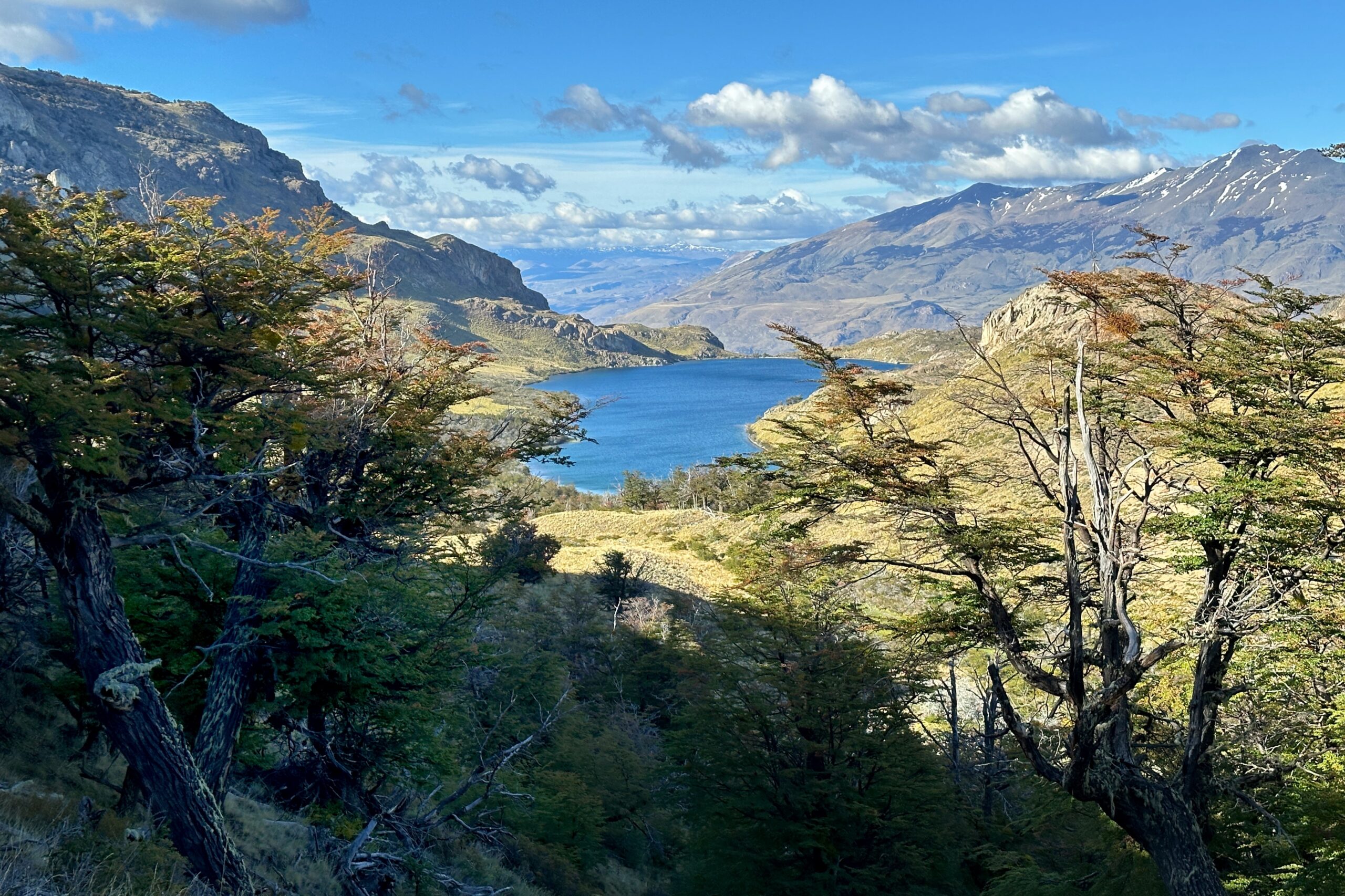
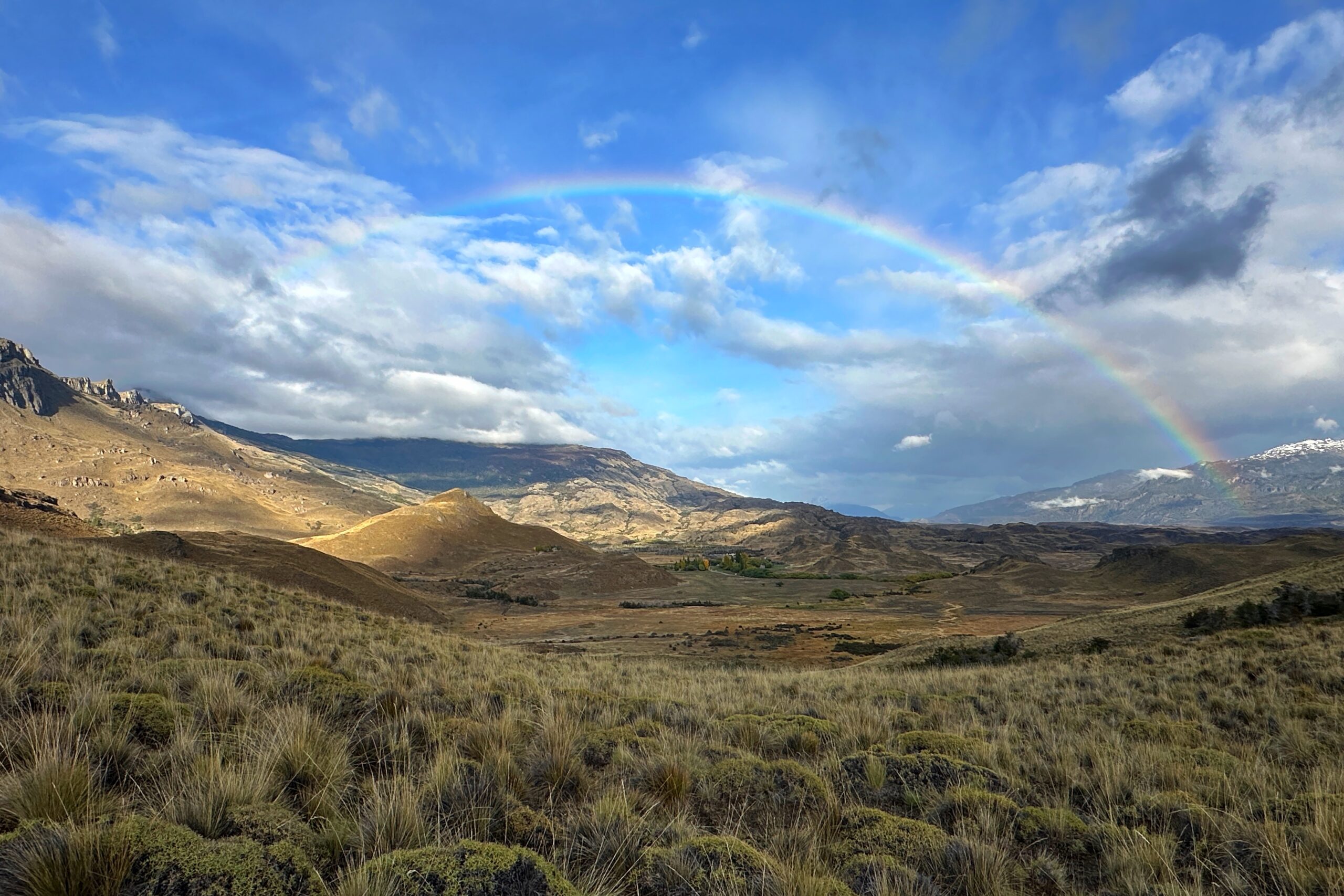
Views from Valle Chacabuco

Heading back to Explora

When we returned, Poncho gave us the welcome presentation and we picked our exploration for tomorrow, along with some good ideas for the next few days. All that was left was to enjoy a delicious dinner.

Casa Vizcacha, a building on the Explora hotel grounds

What you see if you walk into Casa Vizcacha, obviously (thanks Rick!)

Day 1: Chicago to Santiago

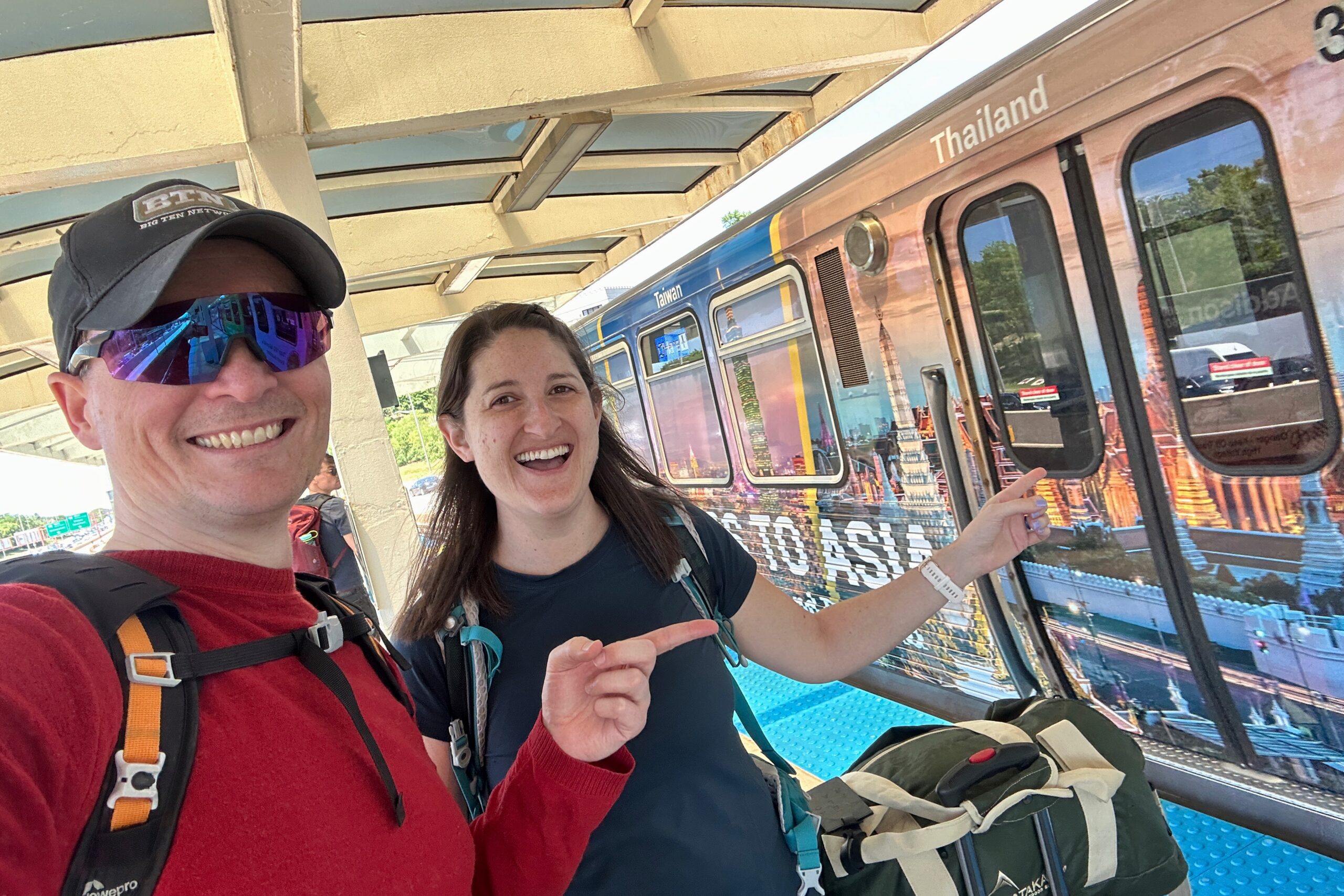
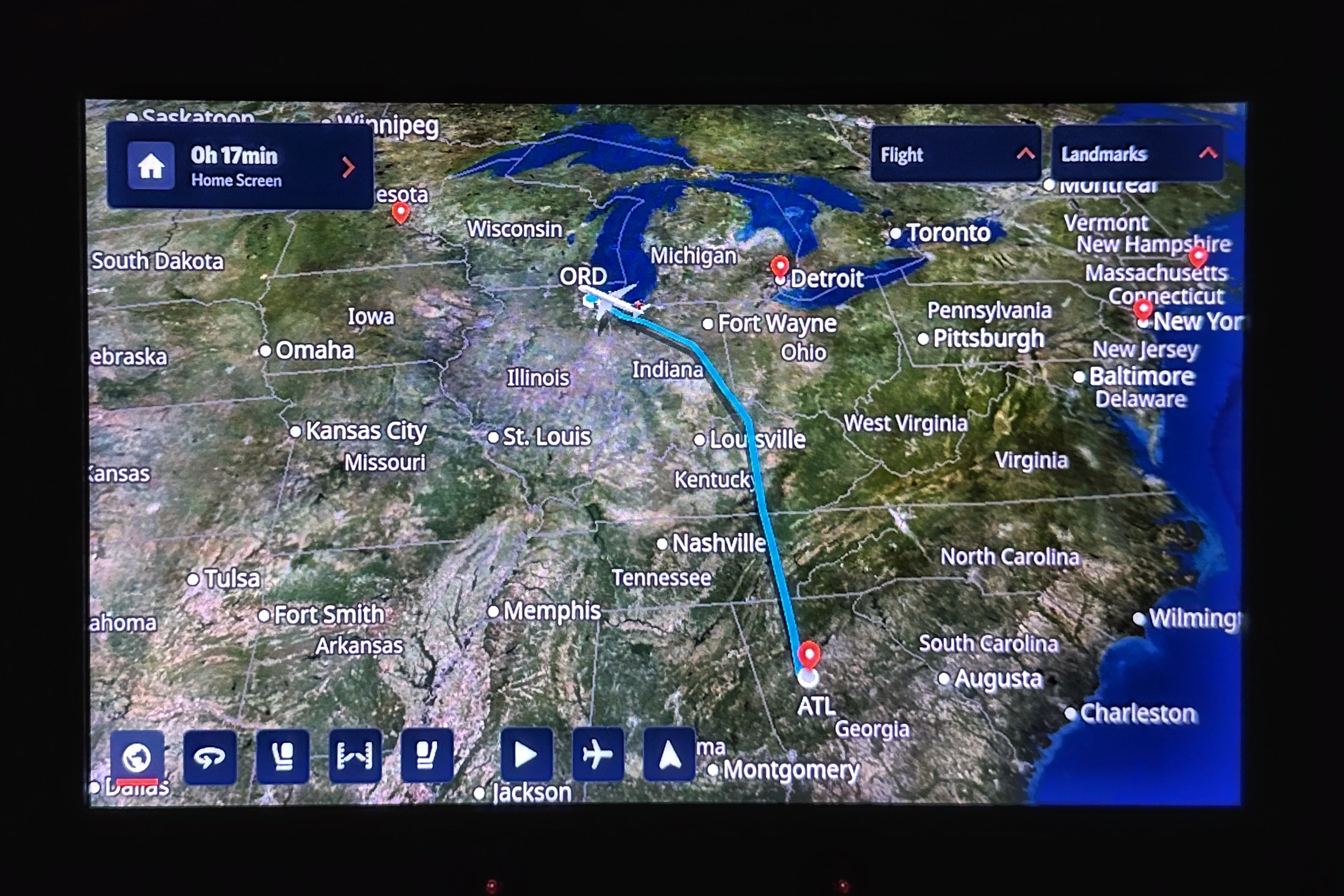
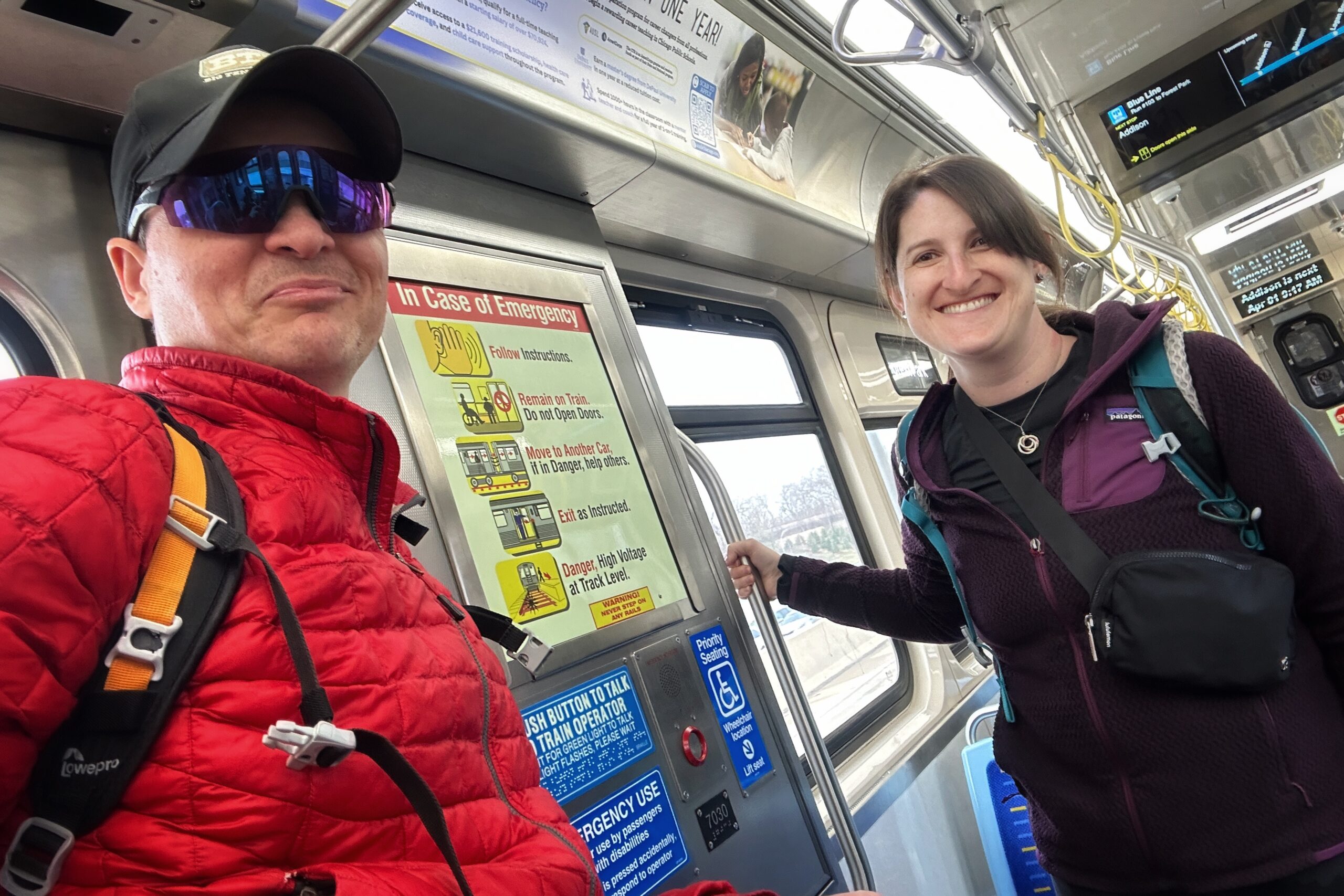
We are off on another spring break adventure! This time, we are headed to Patagonia National Park, home of the final Explora location we have yet to visit. To start the journey, we made our way to O’Hare on the blue line, as usual.

Traditional pointing!

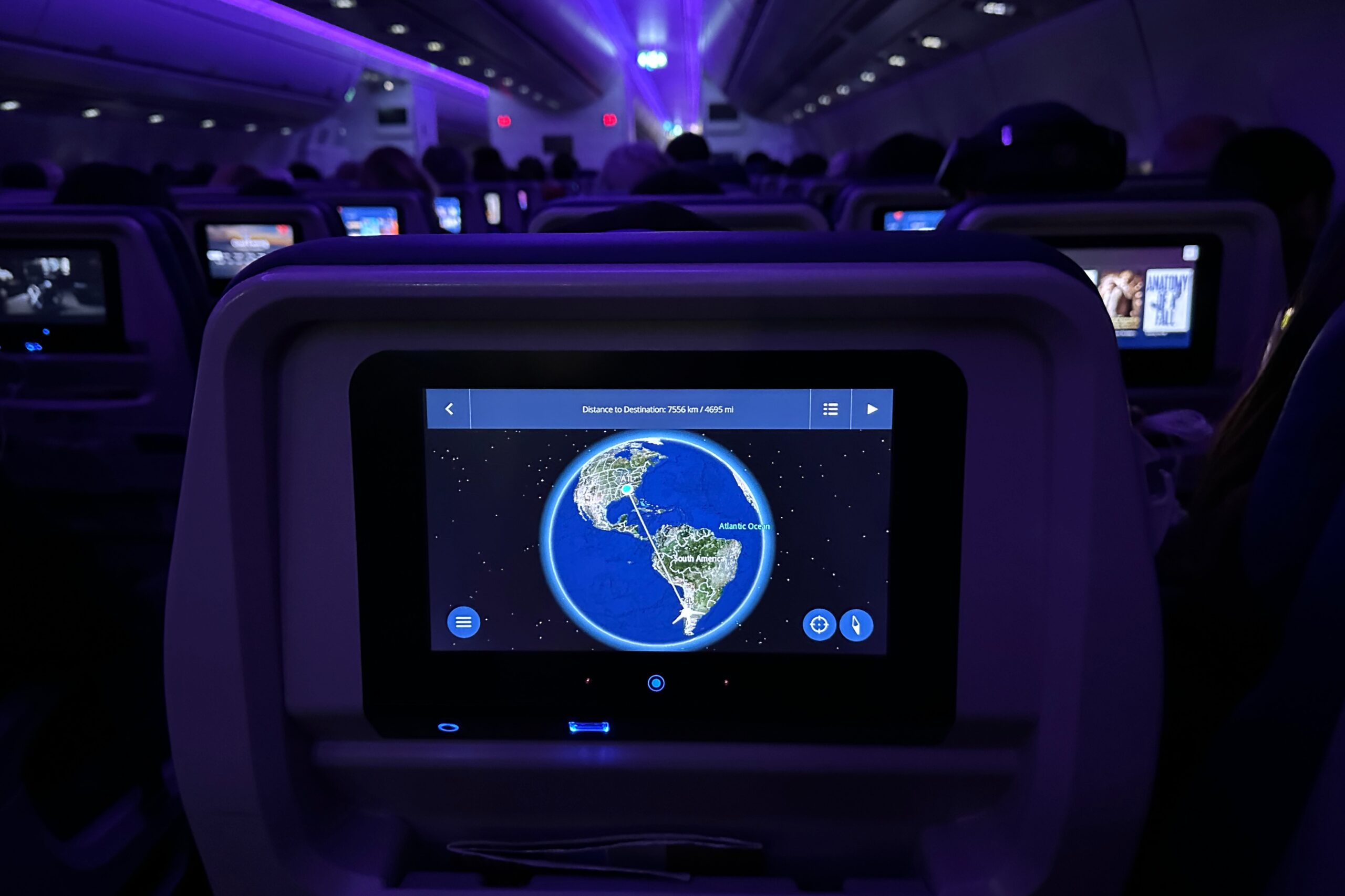
Although we are going to Chile, it made more sense (given flight times and options) to fly direct to São Paulo first (vs a layover in Miami, Atlanta, or Houston), then take a flight to Santiago. We had plenty of time to hang out in the United Lounge thanks to some free passes we acquired as a super-important United credit card holder. However, not that super-important, because we first got rejected from the United Polaris lounge and had to slum it in the regular United Club Lounge with the riffraff.

Arriving at the gate on time, there was a small hiccup when we discovered there was no plane. Obviously this caused a delay, but we had plenty of time to make our next flight, so we weren’t worried. Once we boarded, I discovered I was seated next to my future self. We both had the same water bottle, kindle, headphones, and card games on our phones. In short, she was a joy to sit next to.

We have a plane!

Let’s get a move on, Sky Chefs!

We survived the Bermuda Triangle

We arrived in rainy São Paulo a mere 12 hours later and realized we did not actually need the visas we had painstakingly applied for, reapplied for, and paid for. Apparently that requirement was moved back and will start in April. But hey, they are good for 10 years, so I guess the option to re-see the world’s greatest waterfalls still stands.

Rainy, 75 degrees, and humid

Customs was quick and easy for the shortest trip to Brazil ever. There was a little drama at the baggage carousel after we waited for all the bags to arrive, but did not see ours. An airport person came over to us and said we should check out the manual/oversized luggage area. We did, and of course, our very normal-sized bag was happily waiting for us.

When you fly thru Brazil just to get to Chile?

The delay and the luggage search worked out perfectly because we arrived at check-in for our next flight exactly four hours before the flight — the earliest time you are able to check in bags. We found the same restaurant we ate at last year and ordered some breakfast. After that, we found a lounge just to lounge. No food or drinks needed.

Professional lounging

Finally, it was time for our flight to Santiago. Here’s an LATAM pro tip for everybody out there… pay the extra 10 dollars for priority boarding. We learned this on previous trips to South America, and it is totally worth it. Didn’t have to mosh pit with anybody in group 4/5/6, successfully stashed our carry ons, and settled in.

South America coast-to-coast (well, kinda)

Crossing the Andes

Arriving in Santiago, it was once again nice to not be in a rush, because the Chile PDI border control operation wasn’t either! One PDI agent was on the clock to handle the entire line and, boy, was he thorough. Thankfully, our only plan was to check into the hotel airport and relax. On the plus side, no waiting by the baggage carousel this time!

We walked over to the hotel for the night. It’s a lovely 84 degrees here, so we grabbed an outdoor table at the restaurant and enjoyed Patagonia beers and a delicious meat sampler.

Beers and blog

Just one more short-ish flight tomorrow and a six hour drive to go before we make it to Explora and Patagonia National Park!

Day 17: Iguassú to Chicago

We have reached the end of our journey. Before heading out, we went on one last experience. We met Francisco for the First Light tour just before sunrise. He lead us along the path overlooking the falls that start just outside the hotel.

Good Morning, Belmond

As we started walking, we were always keeping a lookout for birds. We saw toucans and parrots, as well and vultures and swifts.

Follow your nose

Along the path you can see a panoramic view of the falls. Due to the temperature mix of the air and water, there was a lot of fog in the falls today. As the sun rose, we watched the fog clear.

Let’s go down to that walkway

Near the end of the route, there is a bridge above the falls where you can feel the spray and provides a great view. We spent some time in the morning mist enjoying the view.

Almost there

Made it!

Waterfalls!

Looking towards Garganta del Diablo

Waterfalls!

We finished the walk at the same lookout that Miguel took us to on the first day. There was an elevator that we took to get back up to the road level.

View from above

Bye, waterfalls!

After enjoying the sunrise and the falls we walked back to the hotel and took our time eating at the breakfast buffet. We also had a little extra time to relax at the pool before checking out and getting a ride from Francisco back to the airport.

Taking full advantage of the breakfast and pool

First up was a quick flight back to Sao Paulo. We picked some last minute souvenirs from a store that was closing (yay sales!) in the Iguazú airport, found the lounge and waited to board.

Can we get a Chicago-style Hot Dooooooooooog????

Distant view of Iguazú Falls on the way to São Paulo

After a short flight, we arrived in São Paulo in terminal two. We knew we had to pick up our bags and check-in for our international flight in a different terminal.

Thinking (well, blindly guessing) we had to go to terminal one, we hopped on the shuttle bus, passed terminal three, got off at terminal one, only to immediately learn the international gates are in terminal three. Fortunately, our flight to Chicago was not until 10:20pm, so we had plenty of time to take another shuttle back to terminal three, check our bags, eat dinner, and relax.

Two versions of a traditional Brazilian drink

One small bonus of leaving South America via São Paulo is that United has a direct flight to O’Hare. Ten hours and one direct flight later we arrived back to Chicago to officially end this amazing trip.

Let’s board this unit!

Almost there

Welcome back to Mesquite Chicago! —- Temporarily the worst air quality in the world!

Day 16: Iguazú Falls

Today we ventured across the border to the Argentinian side of the falls. It is all the same park, just separated by the river. After breakfast, we met Francisco who was our driver and guide for the day. It took about an hour to get there including stoping in Brazil to let them know we were tourists leaving to see the falls, and a stop in Argentina to let them know that we were tourists coming to see the falls.

The morning bird meeting has been called to order

Gotta go to Argentina

Francisco knew the exact route we should take for optimal views, sunlight, and crowds. We thought a Monday in the winter would be a quiet day, but we were wrong — it was a nice day and we crossed paths with a giant group of school kids.

The park has multiple circuits of varying length and elevation. We completed all of the options, allowing us to see the falls from the water level, mid level, and above. We also saw some birds (including a toucan!), capuchin monkeys, capybaras, coatis, and butterflies.

Plaque for Spanish explorer who discovered the falls in 1541… with lizard

Our first path was the Lower Route (AKA the inferior route) that took us to see the falls from the water level.

Looking at Salto Alvar Núñez

View from the Argentina side

Waterfalls!

After completing the lower circuit, we continued onto the upper circuit (AKA the superior route). As the name implies, we went higher up, allowing us to view the falls from a different perspective, as well as see some new ones.

Francisco used to swim here in the pool under Salto Chico

Waterfalls! (Salto Chico)

Salto Dos Hermanas

Salto Bossetti

Waterfalls!

After finishing the lower and mid routes, we had a quick lunch of empanadas, then took a tram to the Devil’s Throat. Francisco knew exactly where to sit on the tram and where to go when we arrived to get to the overlook first, before the other 200 people on the tram (including 70 kids on an a field trip).

Empanadas!

Of the 262 distinct waterfalls in the park, Devil’s Throat is the largest at 262 feet tall and composed of 14 falls. While there is slightly less water today compared to yesterday, the flow is so powerful that you cannot see the bottom due to all the mist.

Misty Garganta del Diablo

Big waterfalls!

Catwalk over Garganta del Diablo

When we took all the waterfall pictures possible, we walked back to the station and took the tram back to the entrance. We drove back to the hotel, stopping at border patrol again and paying a whole one dollar per tourist fee.

We arrived with plenty of time in the afternoon to relax at the pool and check out the sunset from the Belmond Hotel tower, the highest point on the Brazil side of the park.

Tower view

Day 15: Foz do Iguaçu

Today we woke up and got ready for our tour of the Itaipu hydro-electric power plant. But first, breakfast! We went down to the restaurant expecting a quick bite to eat from a small buffet. When we got there, we were given an energy smoothie sample and a tour of the buffet. Needless to say, we will allocate more time for breakfast tomorrow.

We’re going to have to spend more than 20 minutes at this breakfast tomorrow

We then went to the lobby to meet our driver, Miguel. Before heading to the plant, we made a quick stop at an overlook of the falls. Since it was dark when we got in yesterday, this was our first full view. It was most definitely worth the detour. There have been some heavy rains in the past week and the falls are producing 3.5 million liters of water per second. Typically they produce 1-2 million liters per second (still a whole lot).

Welcome to Floria Falls

On the hour drive to the power plant, Miguel told us some facts about the plant and the area. Itaipu means ‘singing stone’ because when the water hit a stone island, it made a singing tone. We drove through the surprisingly large city, but since it was Sunday, not much was open. When we arrived, we joined a tour that gave an overview of the plant and stopped a few times at viewpoints. The dam is shared between Brazil and Paraguay. Part of the tour was technically on the Paraguay side in a neutral zone.

Visiting the Itaipu hydro-electric dam

The plant is the global leader in power supply, producing two billion megawatts per minute. Only 20% of the energy is enough to power all of Paraguay. It is also among the largest power plants. The dam is 196 meters high and 8 kilometers long.

It’s very very very dam big

Temporarily in Paraguay riding across the dam

When we returned to the hotel, we had some time for lunch before our afternoon adventure of our totally favorite thing – boats. We signed up for a tour that started with a two kilometer ride through a forest area with some explanations of the flora. We then continued on foot to get down to the water level.

Great example of how to add tourism while protecting the natural environments

Hiking down to the Iguazu River

We boarded the boat and went through the rapids towards the falls. Of course, they try to make the ride as “fun” and wet as possible. We appreciated the ponchos.

We’re still on the boat

About to head under the falls

The boat went close enough to the falls to very clearly feel the spray. We went back in a couple of times before heading back.

Yup, we just went under the falls

These guys

Rather than getting a ride for the three kilometers back to the hotel, we opted to walk back despite some reluctance from the Macuco people.

Iguazu wildlife

Potential Iguazu wildlife

As it was approaching sunset, we walked out of the front of the hotel and found a path to get some views of the falls for sunset. Since the hotel is in the park, but the park closed to visitors at 5:00 pm, the lookout points were not very crowded. Only other hotel guests (and staff) were able to access the path.

Gettin ready for sunset

Sun is setting

Sun has set

When we returned, we relaxed by the pool before getting ready for tomorrow when we venture to the Argentina side of the falls.

Pretty good day

“If it’s a girl, Phoebe. If it’s a boy, Phoebo.”

Day 14: Santa Cruz to Iguazú Falls

Today was an airport/rest day. In other words, not very exciting. But let us regale you with the tales of the day anyway.

We woke up and had our breakfast at the Raddison before our taxi pick up scheduled for 5:30 am. Our driver was a bit late, but since it was so early, there was no traffic on the roads, and short lines at the airport.

We didn’t need a visa to fly to São Paulo, but Bolivia wanted proof of a flight leaving Brazil before issuing our ticket (why??). Good thing we were prepared with all the paperwork. We checked our bags, went through customs and had time to relax and drink some much needed coffee, and eat some empanadas in a lounge.

Good morning, airplane

Thanks for letting us out, Bolivia

The flight went well and we finally made it to São Paulo. We collected our bags and immediately checked in for our next flight to Iguazu Falls. Since we had about three hours until boarding, we found a lounge to spend the time.

Made it to São Paulo!

And made it to the lounge

And ready for Gerudo Town

When we headed to the gate for our 5:20 flight, the previous GOL flight was still there. They eventually left, but our LATAM plane was late, so we had to wait some more. Despite the slightly annoying crowd and a 40 minute delay, we survived.

Sunset as we take off

Upon arriving in Iguazu Falls, transportation was provided by the hotel, the Belmond das Cataratas. We were picked up by Francisco, who is not only one of Belmond’s drivers, but a tour guide as well. During the 25 minutes to the hotel, he told us facts about the Iguazu National Park, the falls, and the animals that can be found in the park. The hotel opened in 1958 and is the only hotel that sits within the National Park.

Met Francisco and were on our way

When we arrived, we were greeted with delicious warm welcome drinks (it may be 75 degrees, but it’s technically winter). We also received a quick tour of the hotel. After we were shown our (upgraded) room, we walked around on our own and found the gym, pool, spa, bar, and restaurants. And most importantly, where we could get more of those drinks.

View of the moon and hotel

Mmm, warm drinks

Doors made from trees that are now protected

Fancy fruit-by-the-foot soap

We settled in and got ready for the adventures we have planned for tomorrow.

Just like home

Day 13: Uyuni to Santa Cruz

This morning we packed up, enjoyed breakfast, and said goodbye to Uyuni lodge.

Last morning with a volcano view out the front door

We drove across the salt flats to get to Uyuni. Along the way, we passed one other car and saw one truck. Big traffic day.

Hexagonal salt pattern

There are a few salt hotels along the shore that are currently very empty. Apparently the rainy season is a more popular time. When we drove through the town, we met up with the main road to the airport.

First paved road we’ve driven on in about two weeks

Adios, amigos!

We reached the Uyuni Airport and said goodbye to Oscar and Abel. With time to spare, we sat at the one cafe in the airport until it was time to go through security. Finally THE incoming flight arrived and we were able to board the same plane.

Enjoying some coffee

Come on guys, the outdoor heater is a bit excessive

Bolivia loves armed guards as much as paperwork

Has the itinerary changed since we headed up these steps?

Fish Island, Volcán Tunupa, and Explora lodge all in the distance

When we landed in La Paz, we had plenty of time before our flight to Santa Cruz. We found the lounge and relaxed until it was time to board. Being lounge people is great.

This is how to pick the richest coffee in… Bolivia

Now boarding for Santa Cruz

It was another quick and easy flight. Due to all the Bolivian Airlines changes and the fact that we had to spend a night in Santa Cruz, they offered to provide us a hotel voucher. After getting our bags, we went to the check-in counter to figure out exactly where we will be staying tonight and how this all works.

Turns out it works well! They got us a taxi to the hotel where we got our rooms (yes, plural) along with dinner and breakfast. They are also sending the taxi to pick us up in the morning. Letting Bolivian Airlines plan our evening was accidentally a great plan. We settled in, had dinner, and got ready for our next day of flights tomorrow (AKA another rest day, yay!).

Rolling into Santa Cruz like this girl riding shotgun in a truck

Checking in

Sinister looking tower outside the Raddison

Be the slide

Day 12: Pastores & Pukara

As somewhat expected, Bolivian Airlines changed our flight times (again) for tomorrow (Friday) affecting our plans to arrive in São Paulo. To be fair, our connection times were already pretty comical, but not negative five minutes. Therefore, we spent some time this morning on the phone with Bolivian Airlines to change our flights and arrive in São Paulo by Saturday afternoon.

Ok, Bolivian Airlines, “here’s what’s gonna happen…”

Despite the delay, we were able to modify the explorations to do a number of really cool things. First up on the agenda was stopping by a church in a nearby town, then continuing to walk on the pasture to see the animals.

Optimus Prime lives in Bolivia

About to stumble into a religious rave

As we approached the church, we saw that some sort of celebration was going on. Oscar asked what was happening and if we could take some pictures. They explained they were celebrating a religious holiday and welcomed us to stay.

Some of the traditions included killing and cooking a llama on a grill made out of rocks. Also there was a lot of drinking and apparently the custom is to drink whatever someone hands you as a sign of respect. We were quickly handed beers, then shots, then more beers. Pachamama got a few extra blessings today. They also made sure we stayed to eat the llama, which was served with rice. Oscar explained that this type of party lasts not only all day, but goes on for a few days. He let the community leaders know that we had to leave and we were able to make our escape without offending the elders.

Drink! Drink! Drink! For some saints.

Avoid getting handed beers by helping cook

Hey, nice sweater

When we left, we continued on the walk we started and passed llamas and sheep. When we reached the end of the pasture, we met Abel and drove up a mountain to a short hike. Along the way, we had to stop to let the sheep pass.

Back on track and the other side of Volcán Tunupa

We climbed up a hill to Pukara de Chillema, a pre-Incan fortress. There were still remnants of food silos, eating tables, and bedrooms. After walking around, we found a path back down and drove to the salt flats.

Hiking up to the pukara

Defending the fort

Probably defending the fort better

From the top with knife islands behind us

During the rainy season, the entire salt flat is covered in a couple of inches of water. But, this time of year, the flats are almost entirely dry and solid. Since there is water under the salt layers, there are some spots that are more wet and slushy that we avoided. However, there is an area that has been dug out to reveal the water underneath. We donned rain boots and had time to play in the water and with the reflections it created.

Really cheesy, but well composed

Final exploration complete

We headed back to the lodge to figure out the last flight change. Did you know it takes about 15 minutes to spell ‘Mittelstadt” over the phone with a bad connection? It seems that Bolivia makes it just as hard to leave as it does to get in. After a couple hours of internetting and calling, we finally got everything sorted out and enjoyed our final Explora dinner.

Lodge selfie

LATAM AIirlines’ turn – more timely, less helpful

P.S. In case you’re wondering, Bolivian airlines significantly changed our itinerary four times within a month of the trip (some within 48 hours). As a result, we will be taking two flights on Friday, staying in Santa Cruz, then taking two more flights on Saturday to arrive at Iguazu Falls in the evening. Fingers crossed!

Day 11: Volcán Tunupa & Bikes

Today is June 21st, the Winter Solstice. This is an important holiday and is the Aymara new year. It represents the lengthening of the days and the beginning of the harvesting season. The celebration starts on the night of the 20th and consists of traditional rituals along with song and dance, but mostly drinking and partying too much and waking up at the sunrise on the 21st to take in the sun’s energy. We opted for the sunrise only part, which we celebrated from our room.

Happy New Year!

After breakfast we hopped in the car to start the morning exploration. The lodge is located next to the Tunupa volcano, and we drove over to a lookout point to see the colors of the volcano in closer detail.

On the way to Volcán Tunupa

Is it good that the hood is open?

Driving up to 4,600 meters, we were pretty much at eye level to the crater. We walked up a small hill to get to the lookout point to enjoy the view. We tried to use the drone, but it was a bit too windy for it to be stable.

Excellent volcano views

The colors of Tunupa

Adventures in windy drone flying

Cool, twisty queñoa tree branches

We climbed back down the hill and drove back to the lodge, still taking in the views and the animals near the road. When we got back, we had some time to relax before lunch.

Lunchtime on the Salt Flat

We ate a traditional meal called pikue macho, which is made of beef, potatoes, and rice with a hot chili sauce called llajua. After, we got ready for our afternoon exploration of biking on the salt flats.

Lunchtime in the Salt Flat lodge

Ready for biking?

Matt and Oscar started at the lodge and biked down the hill to the salt flat while Jo got a ride to the start of the flats. We biked on the salt flat until we found a good spot to take perspective photos. Because the salt flats are in fact white and flat and vast, it is easy to play with perspective.

No, not that bike, these bikes

Fun with forced perspectives

More fun with forced perspectives

We made a quick stop to see the flamingoes before continuing on to one of the small islands. We left our biked on the salt and hiked up to the top of the hill for a 360 degree view. Since this is the shortest day of the year, we quickly went back down the island and back on our bikes.

Hey, we climbed another thing!

Trying to reach the bottom before the sun does

We rode out away from the shore and met up with Abel and the car. We had snacks and wine while we watched the sunset behind Volcán Tunupua. Without any clouds in the sky, and with a reflective surface, the colors changed rapidly.

Flamingo rosé wine and sunsets

Oscar still loves flamingoes

Once the sun went behind the volcano, the temperature dropped pretty quickly. We still stayed out listening to music and having fun until it was time to get back to the lodge.

Mini Bolivian dance party

Sunset with the moon and Venus

Heading back to the lodge

Day 10: Chituca to Uyuni

We woke up on our last day in Chituca to another glorious sunrise. We had a leisurely breakfast, packed up the land cruiser, and headed north toward the Solar de Uyuni —- aka. the Uyuni Salt Flats.

Tasty, cozy breakfast

Along the way, we stopped at a place called Los Galaxias, a geologic attraction on the outskirts of the salt flats (think Wall Drug in the middle of the desert). The site features calcified coral (that look eerily like cactus) as well as a cave which houses calcified algae formations from a Paleolithic lake. The algae hangs from the ceiling and walls like spider webs. Los Galaxias is named both for the two people who discovered the caves, and because entering the caves seems like you’ve been transported to a different world.

Calcified coral looks a lot like cacti

Do you see the elephant? How about the Witch King of Angmar?

Walk in fridge turned tomb

There was also a second cave which had holes around the edges and near the top originally used as food silos. People would store their crops in this cool, dry cave to keep them fresh for longer. Eventually, the silos were used as tombs.

Finally, we walked up to a lookout point and saw the many fields of quinoa in the surrounding altiplano as Oscar explained how the plate tectonics of how the area formed.

A very regal lookout point

After driving a little further, we made it onto the Uyuni Salt Flats. Over 4,000 square miles, it is the biggest in the world. The flats are also expanding each year as the salt continues to take in water and expand. We got out of the car to walk on the salt and take in the dramatic view.

Salt selfie!

The next stop was Isla Pescado in (nearly) the middle of the Uyuni Salt flats. The island is named Pescado because from above, it looks like a fish. One of the largest islands on the salt flats, Pescado is composed of volcanic rock and used to be almost entirely covered by the lake. Because of that, the bottom of the island has calcified coral along with metamorphic rocks. When we arrived, we opted for the longest (best) hike. We started at one end of the island and scrambled our way to the top without a trail.

Getting ready to hike

We need to find our way up to the top

Hiking towards the top

Sitting on a dead cactus bench on the summit

From there, we walked along the top of the island and across all five peaks to the other end. After making sure to collect all the cool rocks on them way, we descended back down to salt level for lunch.

Heading down

So many gneiss rocks to chose from

Pretty sure we just found some Zonaite.

Easy to forget that you are not actually on a beach

Our final stop was the Uyuni Lodge – our home for the next three nights. Unlike the lodges in Chituca and Ramiditas, the Uyuni lodge is named for the salt flat it overlooks, not the name of the town. The actual town of the lodge is Jirira, while the town of Uyuni is about an hour and a half away. We settled in to our room and relaxed. Just before dinner started, Oscar told us that Mars, Venus, and the moon were aligned. Of course, we had to go take a look.

Where we’re going, we don’t need roads

Another good window view

Mars, Venus, and the moon in alignment

PS. As we write this blog in the Uyuni lodge, every 15 minutes or so, we can hear the ice maker working perfectly. Ya hear that Whirlpool?