Day 11: Lijiang/Hangzhou

This morning we woke up early, said one more goodbye to Anna (who sent us off with banana bread and orange juice), and were in a cab to the airport by 6:00 AM.

Chinese driving + darkness + unfinished road = Pure excitement

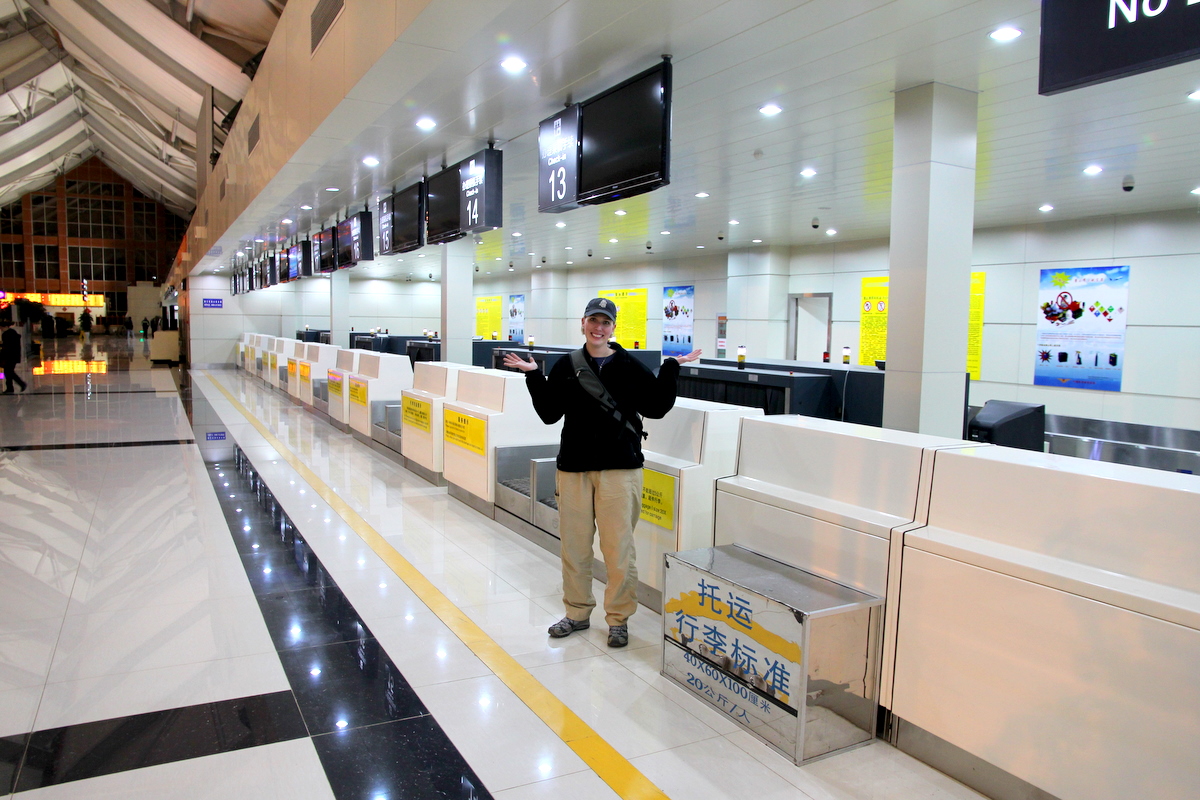
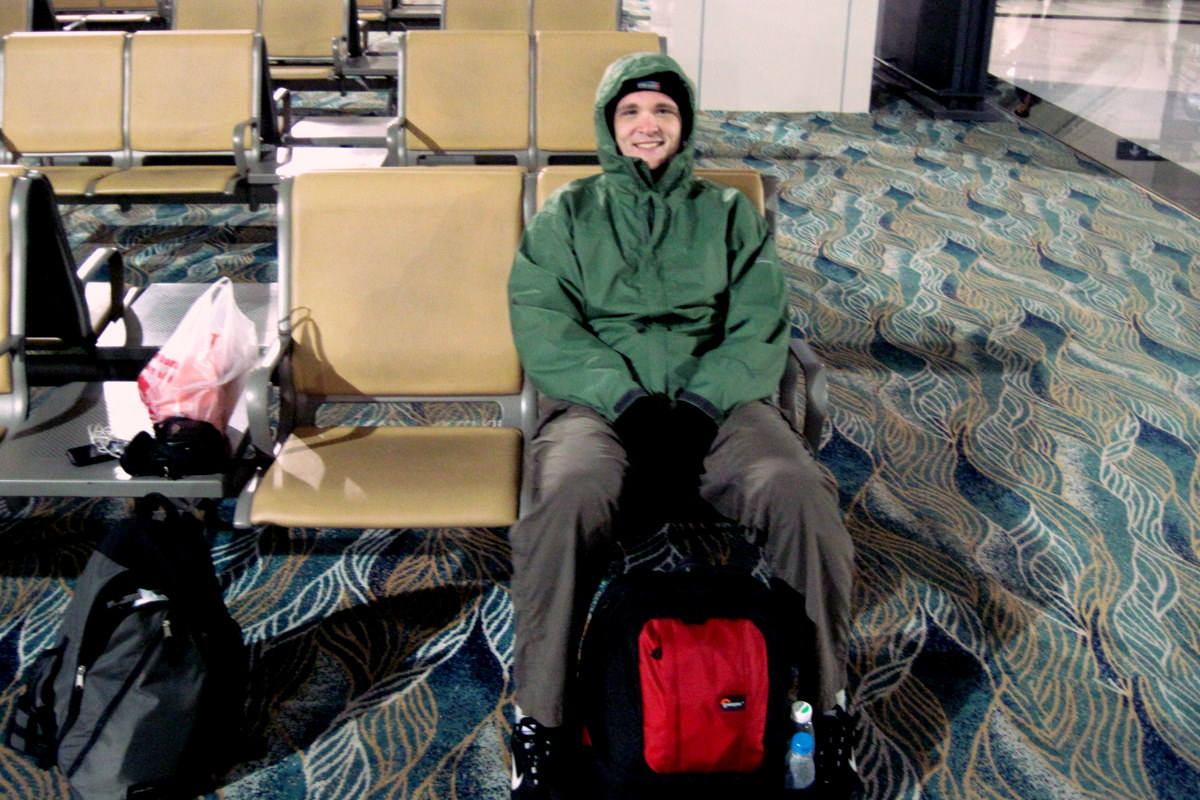
When we got there, we appeared to be the first non-employees in the whole place — it seems the suggested arrive-two-hours-early doesn’t really apply for Lijiang’s little airport. We kept our hats and mittens on — the place was freezing!

Flying Aruba-style!


Lijiang is great, but maybe next time we visit in the summer.

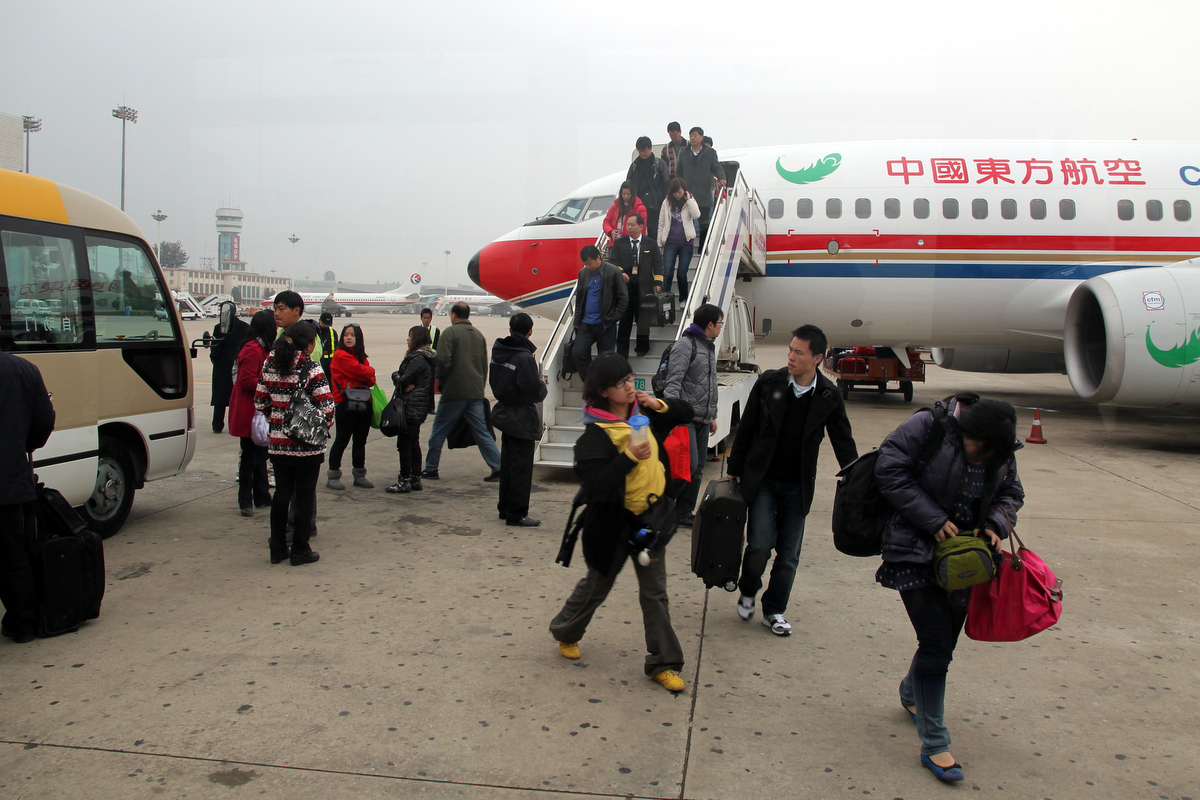
We landed in Kunming at 9:00, having finally warmed up on the short flight.

Arriving in Kunming

Since our next flight wasn’t until 4:30, we tried to book an earlier flight. It is not easy to fly standby when you do not speak any Chinese. It is also not easy to fly standby when every single plane is packed full. Oh well — we tried.

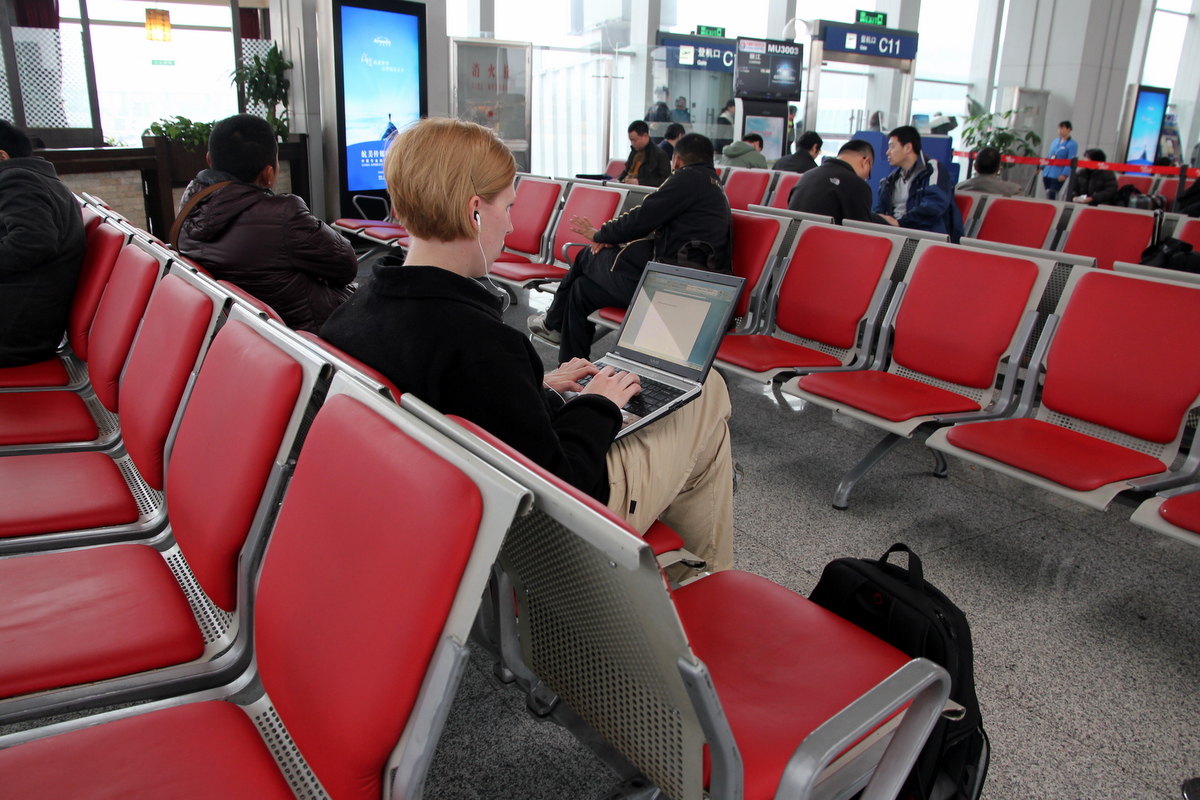
Unsuccessful, we found seats near a power outlet and settled in for a long day of waiting. We’d gone grocery shopping in Lijiang for a plethora of snacks (instant noodles, cookies, etc.) to eat, instead of paying the inflated prices for food at the airport.

Our intended airport picnic — total cost: $2.50

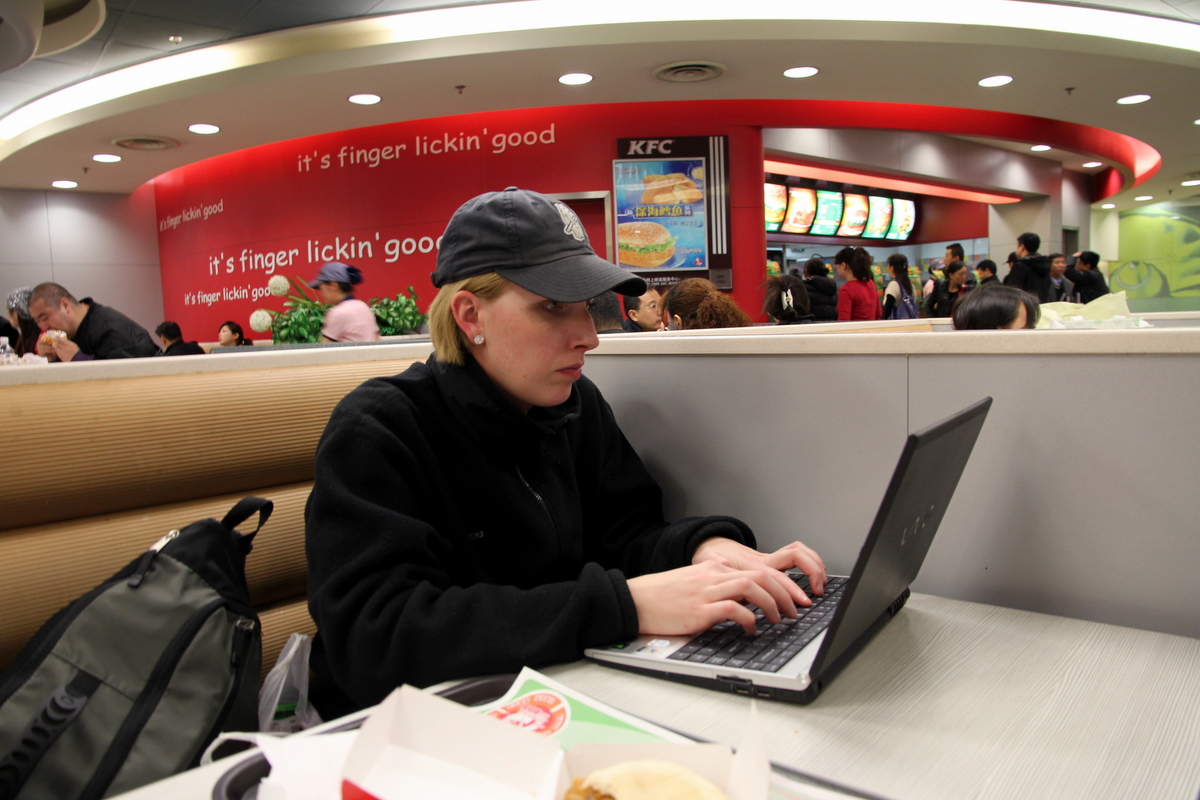
After an hour in some really uncomfortable seats, we upgraded to the airport’s huge KFC and enjoyed a selection of menu items while catching up on the blog.

Spicy chicken sandwiches, convenient power outlets, comfortable seats — what else do you need?


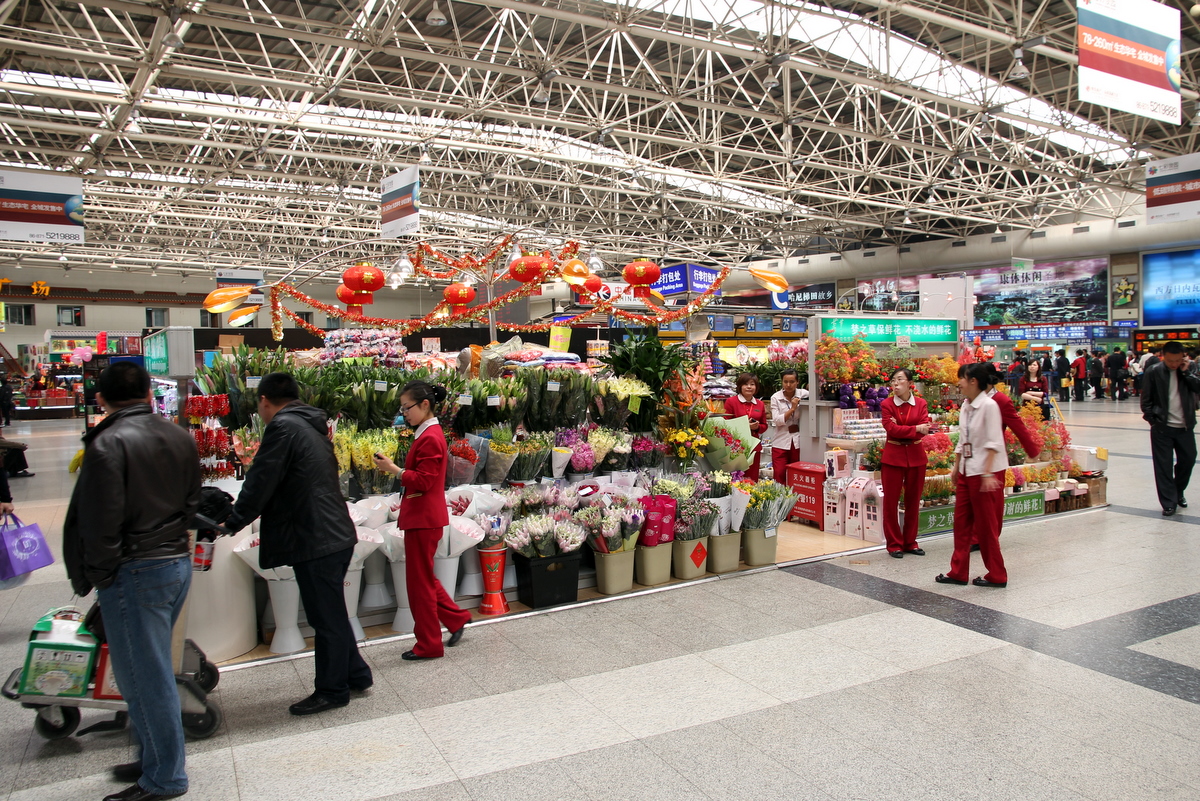
Bouquets of flowers are common carry-on items in China


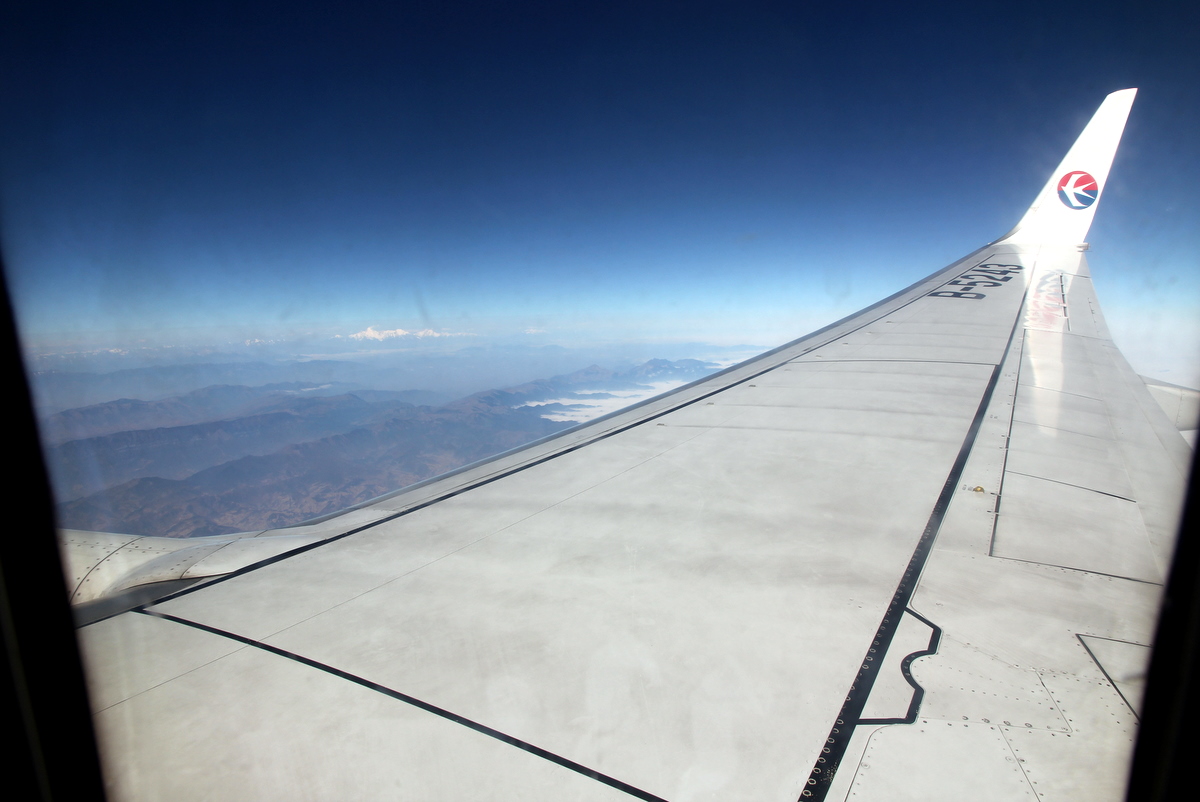
Windows are clean; sky is still hazy

Our flight to Hangzhou left thirty minutes late but still arrived on time at 7:00. Outside, the first guy we saw offered us a way-overpriced $45 trip to our hotel – we declined and found the official taxi stand. Forty minutes and $15 later, we arrived at the Hyatt Regency Hangzhou (thanks, Mom and Dad!) We tried making some arrangements with the concierge for our trip to Huangshan the next day, but after their best option was a $600 private driver, we gathered they wouldn’t be much help and decided to figure it out on our own using a combination of Google and our guidebooks.

Who needs the concierge?

Day 10: Lijiang

Note: Shaky internet access lately, so today’s a two-fer! Days 9 & 10 posted back-to-back…

Today was our last day in Lijiang, and we were thrilled to wake up to blue skies and a stunning view of Jade Dragon Snow Mountain — our first clear view of it since we’d arrived. A quick taxi ride took us to Black Dragon Pool Park, which lies just north of Lijiang’s old town. In addition to being beautiful, the crystal-clear water from the mountains is also the village’s main water source. The reservoir feeds a series of canals that run through the village streets and flow into three wells that are designated for drinking, washing vegetables, and washing clothes.

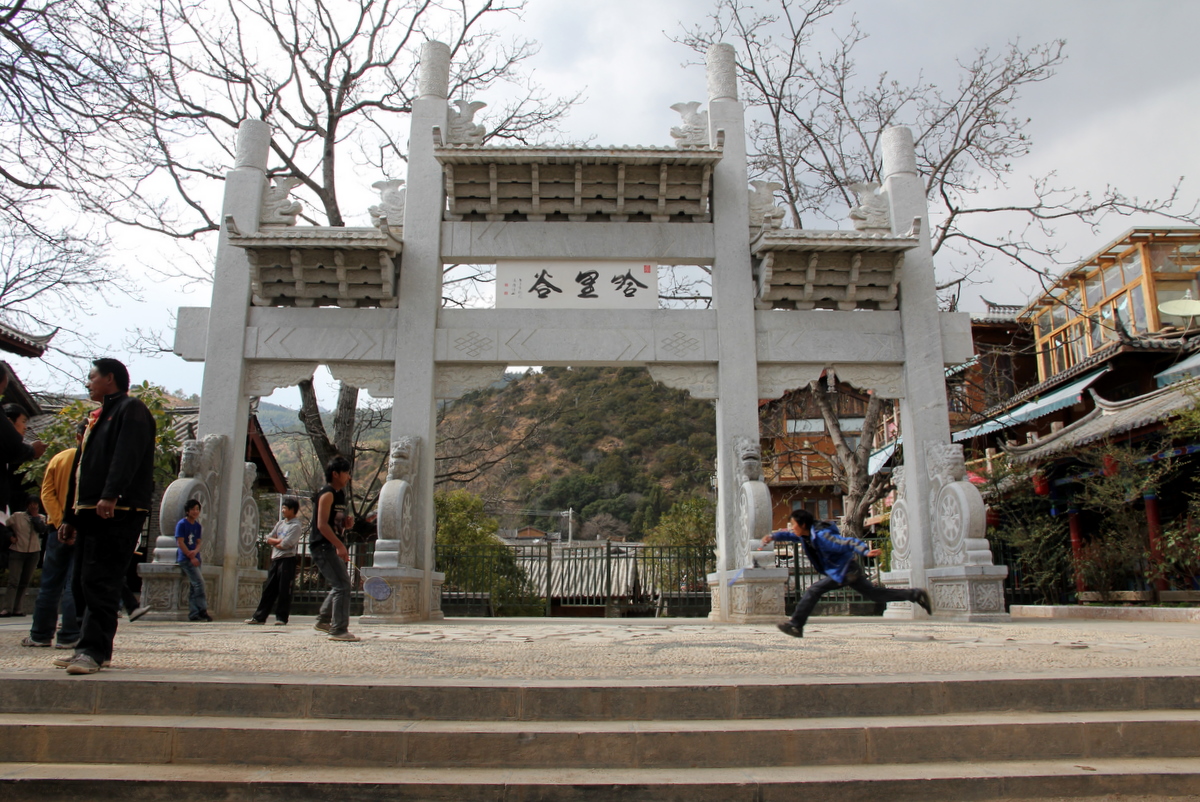
Entrance to Shuhe village in the morning


The picture on the cover of our guidebook was taken here!


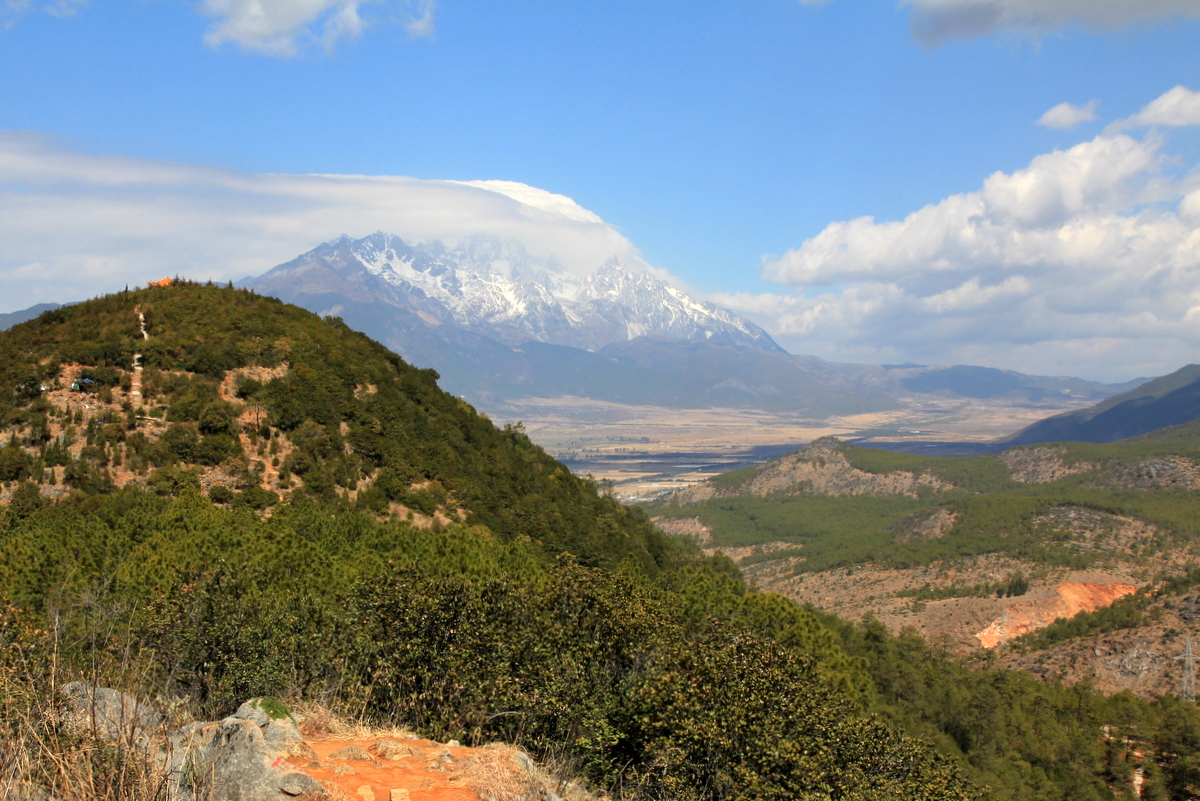
Finally a clear view of the mountain


Various translations of “Keep off the grass” – from straightforward to philosophical

Within the park was Elephant Hill; after an hour of climbing we were rewarded with great views of the city in all directions.

Great view of Lijiang from up here


View of Jade Dragon Snow Mountain from Elephant Hill


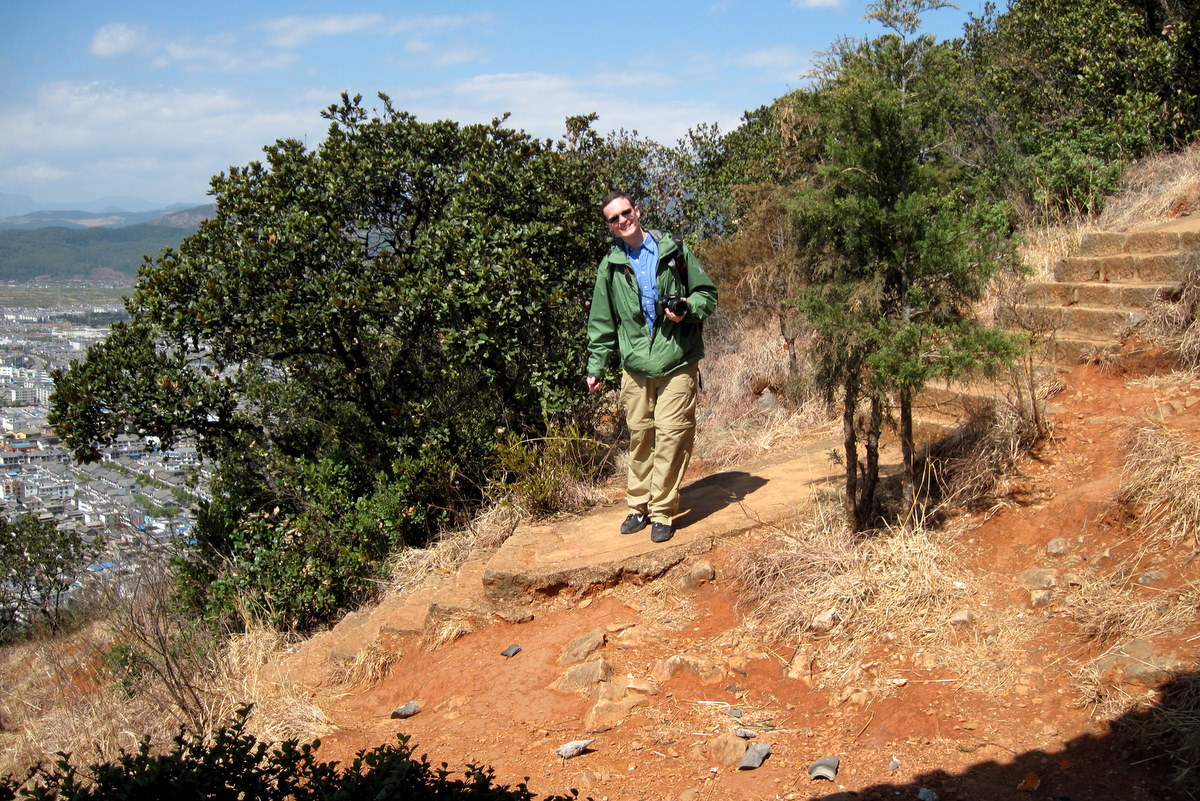
Matt returning from peak of Elephant Hill

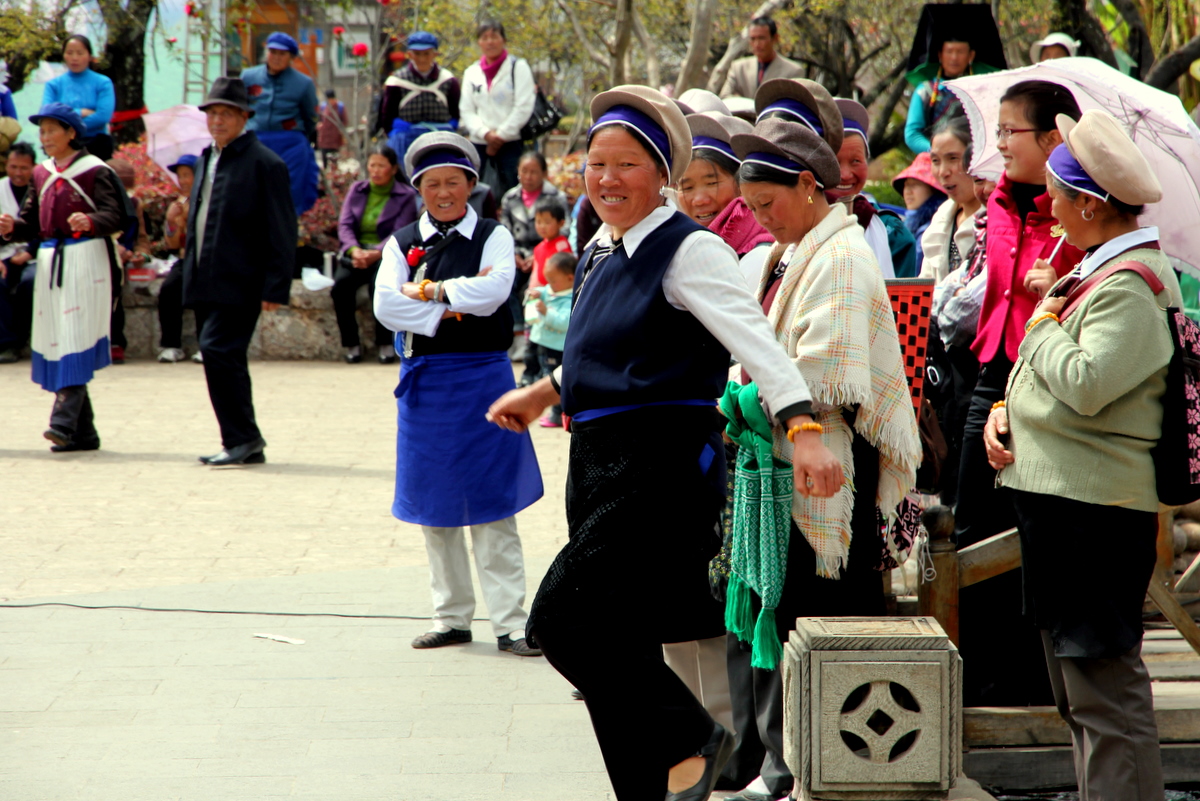
We followed the rushing canals from the park into Lijiang’s old town. The entrance to the town is marked by two large (ornamental) water wheels, and there is a huge main square that frequently features Naxi dancing and music.

Giant water wheels just for show


Naxi dancing in old town square


Get into the groove

The old town is a maze of winding alleys, fish-filled streams, Naxi houses with their unique tiled rooftops, and a million shops and restaurants (all selling the same stuff). We spent a few hours walking along the cobblestone streets, shopping and people-watching.

Weaving beautiful shawls


Delicious walnut cakes – check out the conveyor belt baking method!

Lijiang’s old town is similar to Shuhe, only bigger and much busier; we were glad we visited but were happy to be staying in a similarly charming but quieter location.

Why is he watering the bridge?


Dongba graffiti


This picture is so great.

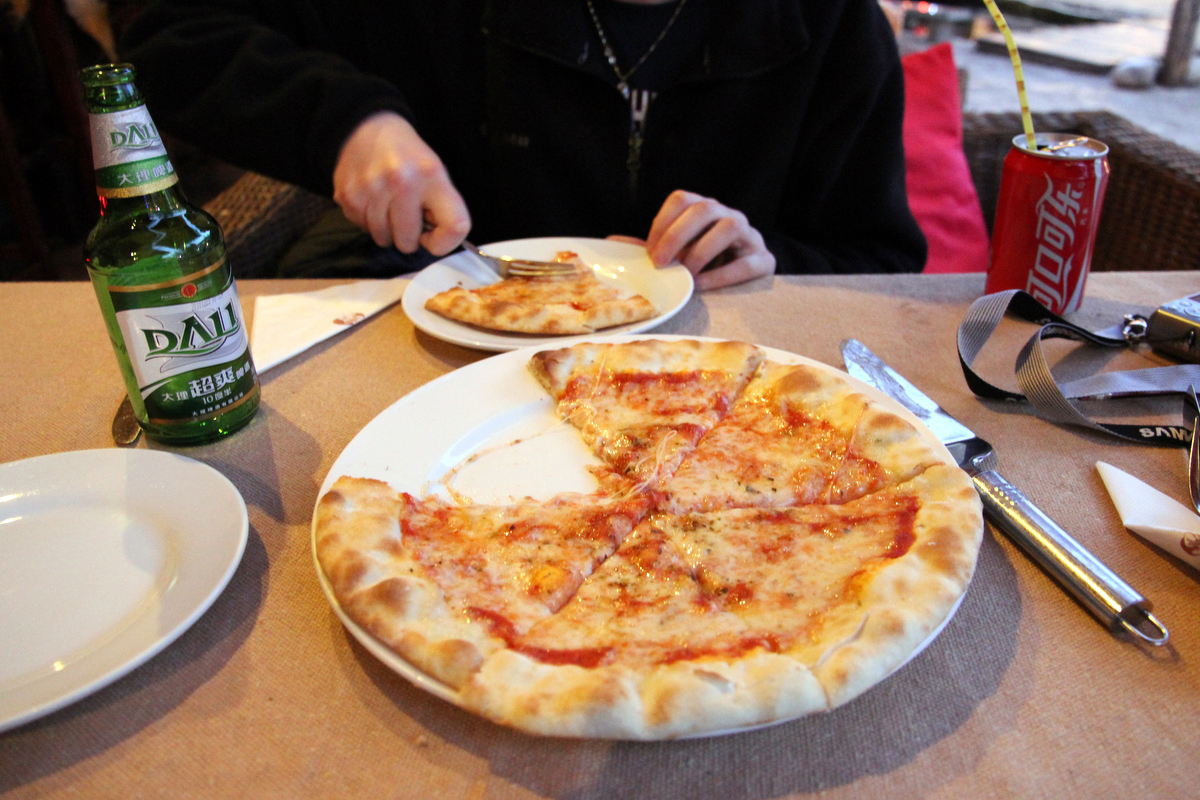
Back in Shuhe, we did a little more strolling and shopping into the early evening. Having not eaten much during the day, we stopped at Shuhe’s “finest Italian restaurant” and had a dinner of pizza and beer. It was so delicious we didn’t feel the slightest bit bad about having a very non-Chinese meal in the middle of China.

OMG so delicious…


Shuhe village at night

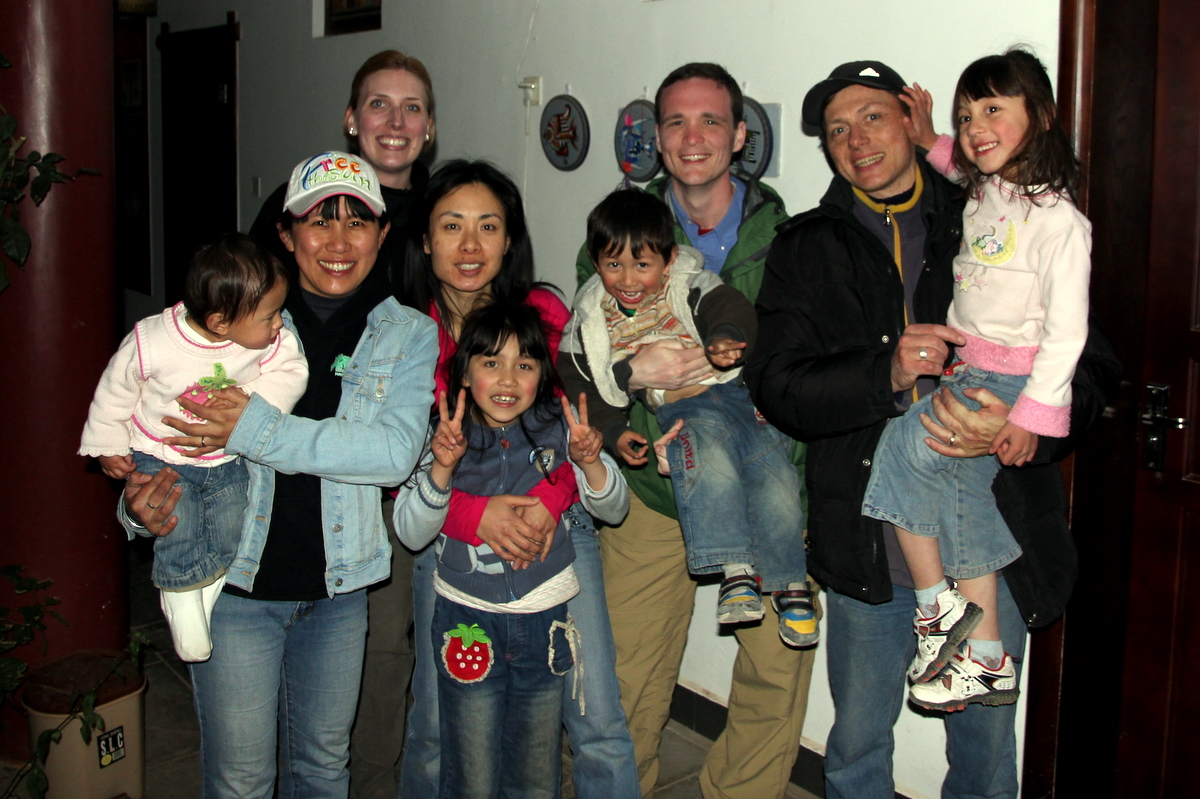
Our flight was leaving very early in the morning, so we said our goodbyes to everyone when we got back from dinner. We loved Lijiang and are so happy to have stayed at the Maple Leaf Inn — Wil and Anna were so friendly, helpful, and knowledgeable, and thanks to them we experienced more of Lijiang than we almost certainly would have on our own. Tomorrow we head back east to Hangzhou and nearby Huang Shan (Yellow Mountain).

Anna (in white hat), Wil, their four kids, and another guest

Day 9: Lijiang

Today we set out to see Jade Dragon Snow Mountain, the tallest peak in the mountain range that runs to the west of Lijiang. Our hotel arranged a private driver which made for a very easy day of sightseeing. Our itinerary included a performance of “Impression Lijiang”, a cable car trip up the mountain, and a visit to Blue Moon Valley.

Map of Jade Dragon Snow Mountain Scenic Area

“Impression Lijiang” is a musical performance featuring hundreds of local performers and the mountain as its backdrop. The show tells the story of Lijiang’s Dongba and other minority cultures through singing and dancing. It was created and choreographed by the same man responsible for the Beijing Olympics Opening Ceremonies. Last year in Yangshuo, we saw “Impression Sanjie Liu” by the same artist and loved it. This show was equally as impressive.

Cool stage setup


Many different ethnic minorities represented

The stage setup was striking with the mountain in the background. Beautiful costumes, hundreds of horses, elaborate choreography — all together a fantastic show.

Drummers in the audience for part of the show

After the show, we managed to find our driver among the hundreds of tour buses and headed for Glacier Park and our trip up to the peak. The mountain was shrouded in clouds but we held out hope that maybe the cable car would take us above them and it would be clear (spoiler alert: nope).

About to go up!

We took a bus to the cable car station and then an awesome ten-minute ride to 14,000 feet. The second half of the trip was in the aforementioned clouds; everything was white after we crossed the tree line until we got to the station at the top.

Not the best day for clear views, but still pretty awesome


At the tree line

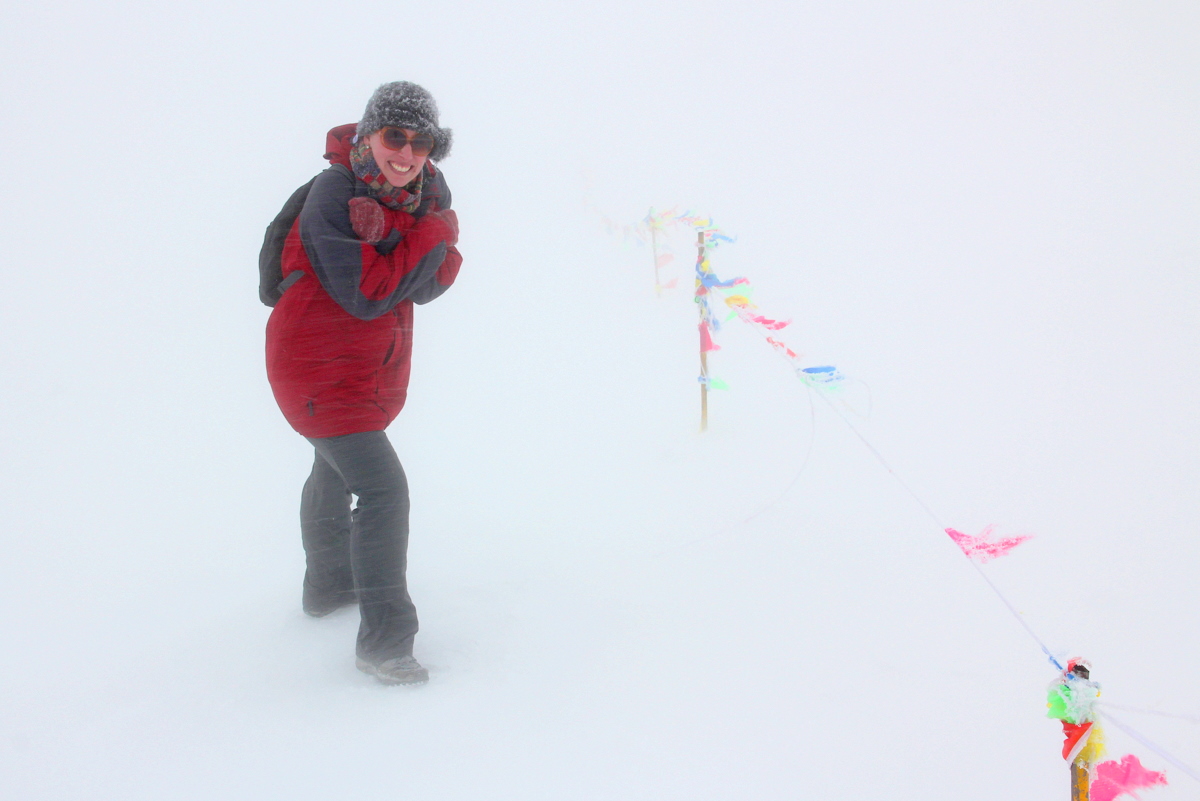
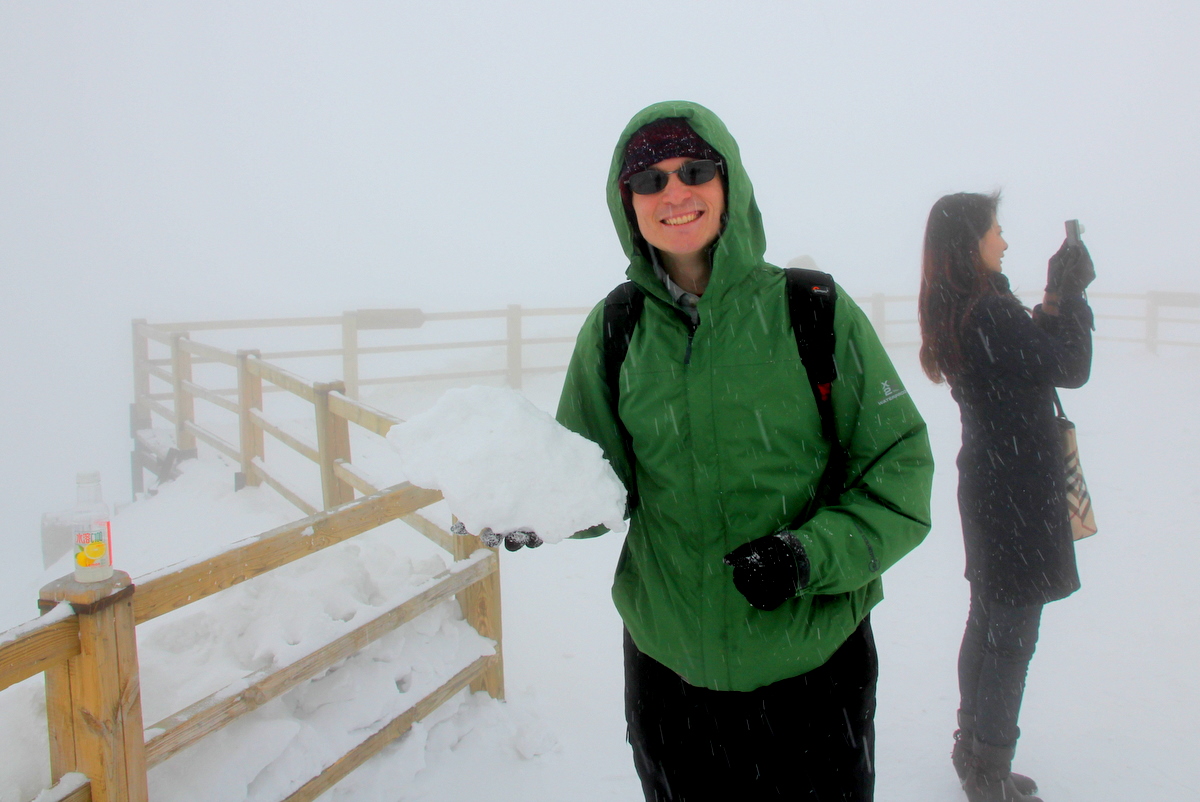
When we exited the cable car, we were greeted with a white-out — a snowy, hazy fog with little visibility. We dressed successfully for this weather, but down coats and hats were available to rent for those poor folks who hadn’t. Oxygen canisters were also available for purchase. Plenty of people buy them, although we think it’s a bit of a mind-trick, money-making scheme rather than a true necessity for most visitors. (Especially since we saw people start huffing them at the bottom of the mountain.)

Up in the clouds!

The elevation at the top of the cable car (the area dubbed “Glacier Park”) is 4506 meters, or 14,785 feet. We tacked on another 100 or 200 feet after we staggered up and down the sledding hill in the blowing snow (which was unsurprisingly closed due to the extreme lack of visibility). All these numbers sound quite impressive, until we considered that Everest Base Camp is at 5150 meters, or 16,890 feet, and Mount Everest itself is at 8846 meters or ~ 29,020 feet.

Plenty of snow up here

Although we couldn’t see much, it was pretty cool to visit the top of a mountain in the middle of a snowstorm. While walking around, we saw a couple bravely having wedding photos taken. They looked beautiful. And they looked like they were freezing.

Into the abyss


Extreme wedding photography


As close to Everest as Nicole will likely ever get

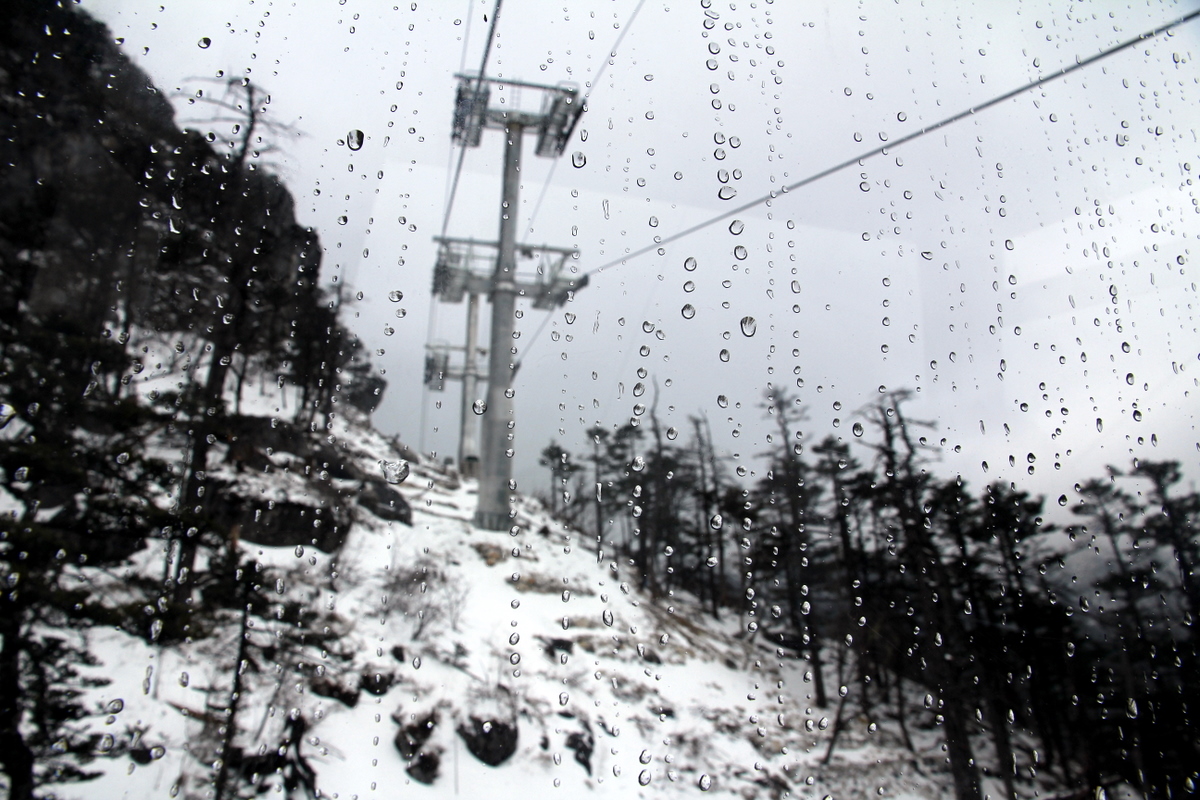
On the trip back down, we had some better views of the valley as we descended below the clouds.

Good views of the valley on the way down


Matt stuck his camera out the cable car window for a couple raindrop-free shots


This sign is grrrrrrrreat

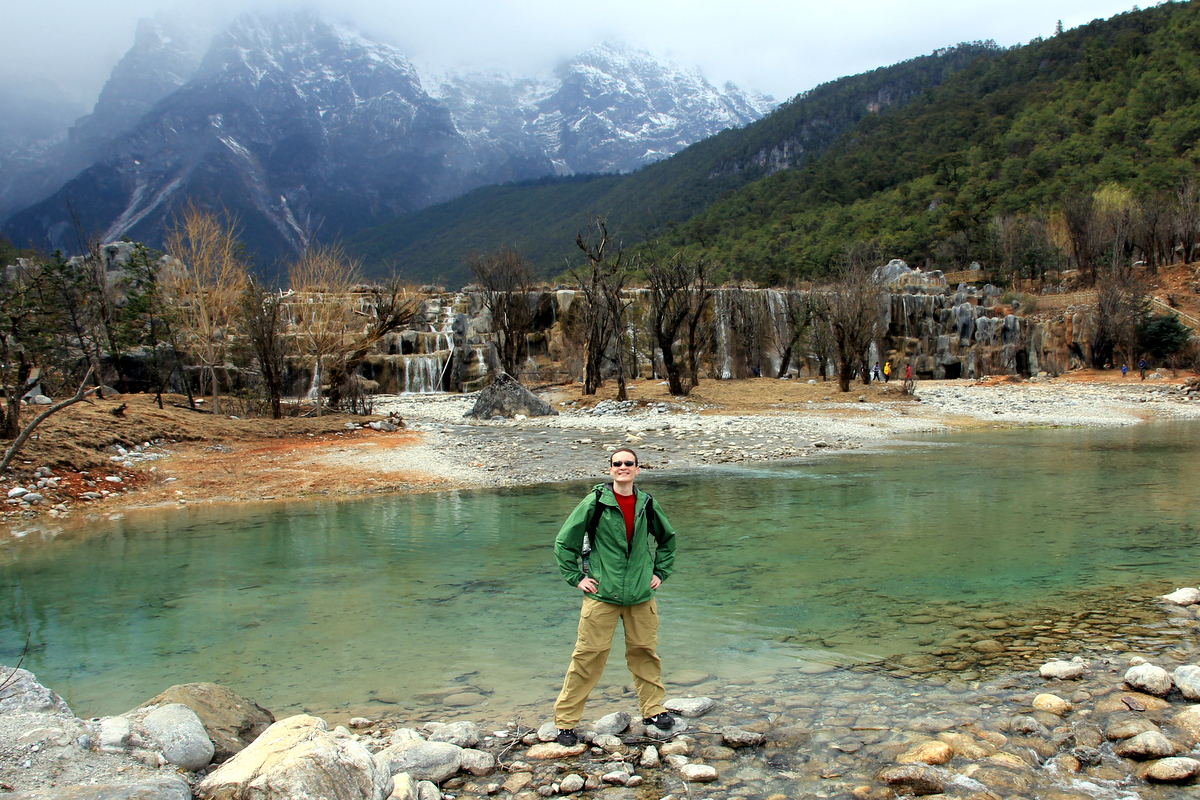
Next up was a visit to Blue Moon Valley, a pretty scenic area known for its sparkling clear blue lakes and waterfalls (although Matt suspects the multi-terraced landscape may be somewhat man-made).

Blue Moon Valley with mountain in background


Matt at Mirror Lake


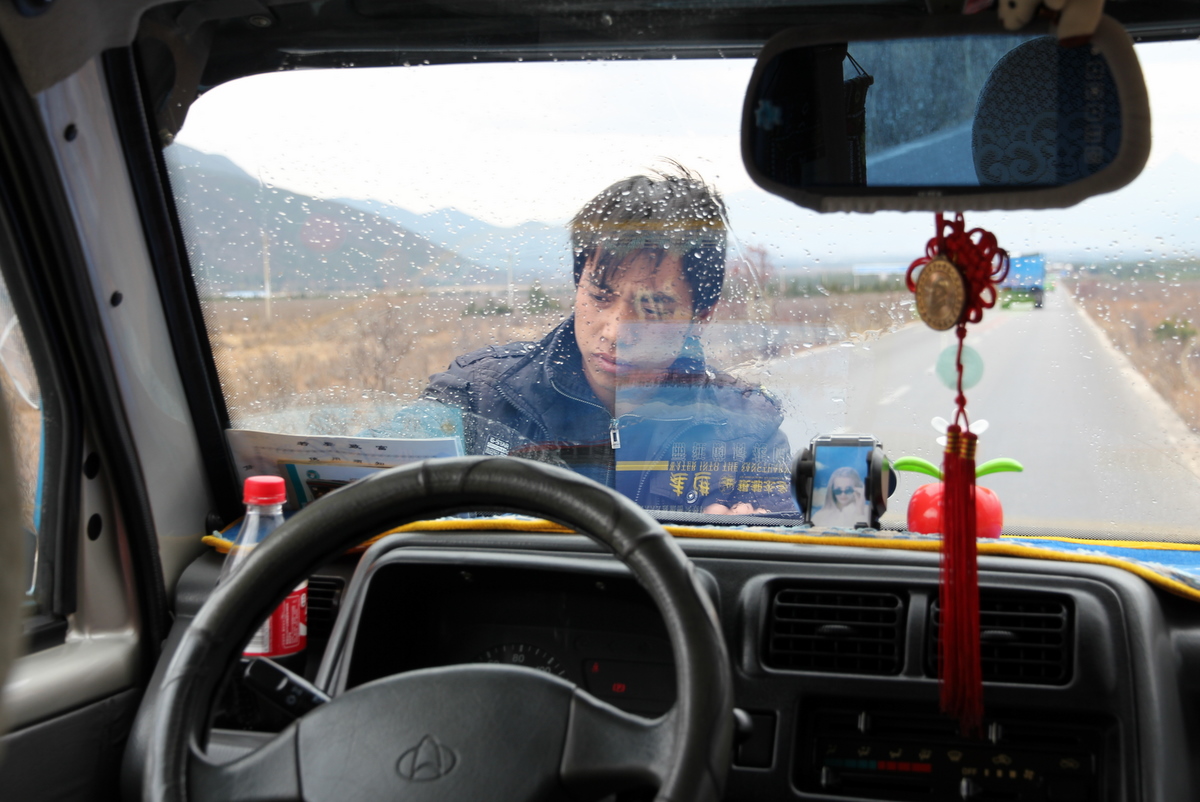
Based on its performance, that windshield wiper is rarely used

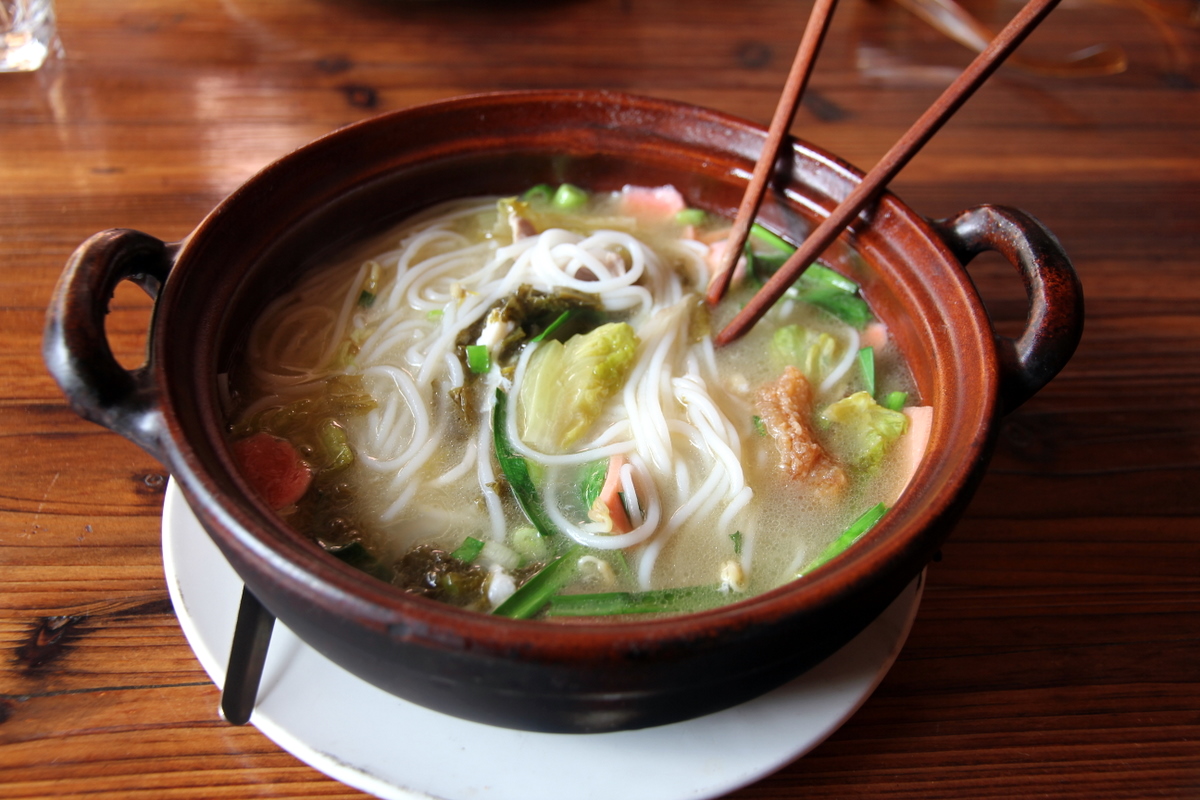
When we got back to the inn, Anna took us to a restaurant for the local dish of “over-bridge” noodles. These get their name from the thin film of oil on top of the broth that keeps it piping hot — women would bring soup noodles to their working husbands and needed a way to keep them hot on the way. Besides the noodles, our soup had chicken, ham, greens, and an egg — everything but the noodles went in raw but cooked almost instantly in the hot broth. It was great!

Over-bridge noodles – delicious!

After dinner we spent the evening in the inn’s courtyard, blogging and visiting with Wil, Anna, and their kids.

Day 8: Lijiang

Today we took a trip to Tiger Leaping Gorge, a canyon on the Yangtze River 40 miles north of Lijiang. One of China’s deepest gorges, it’s supposedly named after a tiger escaped hunters by leaping it at its narrowest point. The peaks on either side reach an average of 13,000 feet, the canyon reaches a depth of over 9,800 feet, and an 18-mile trail that runs along the ridge is extremely popular among hikers.  The two-hour drive took us to the middle part of the trail along a winding mountain road.
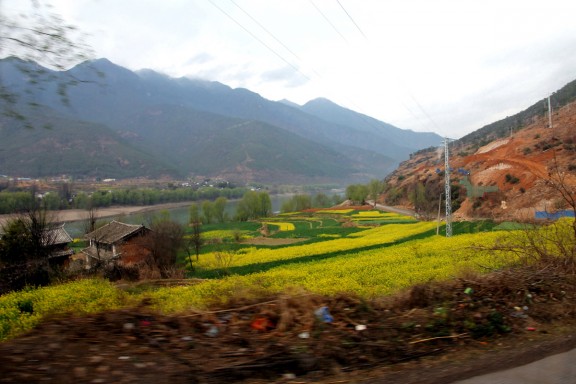
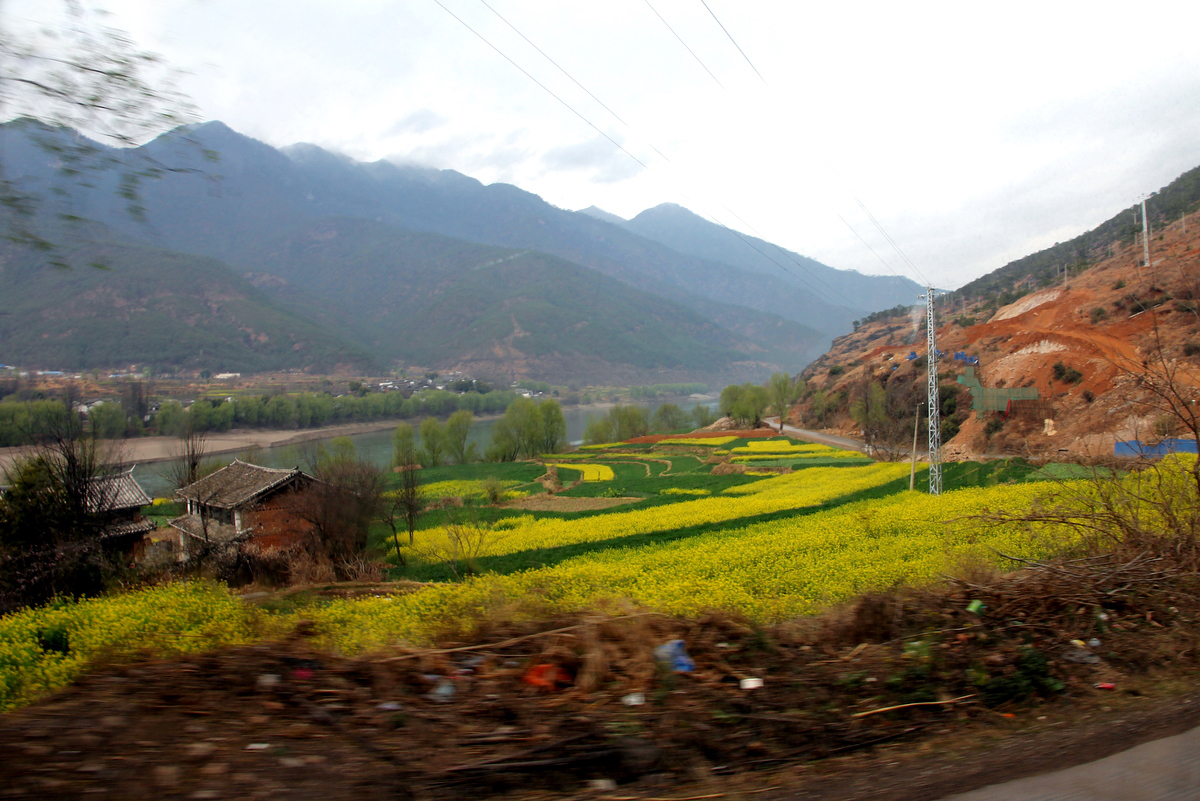
Terraced fields on road to the gorge


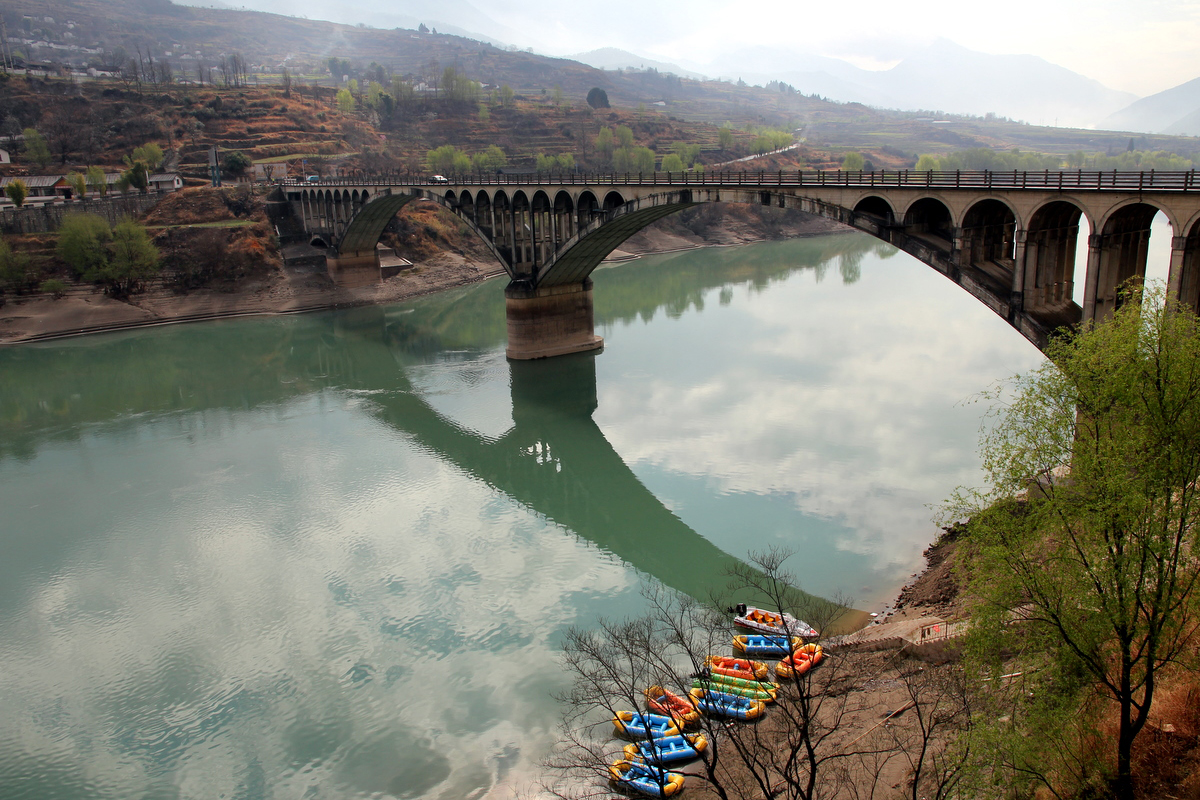
Bridge over the Yangtze River

We stopped for lunch halfway and being the only two Westerners in the group, we were offered forks with our meal which we did not use. 🙂
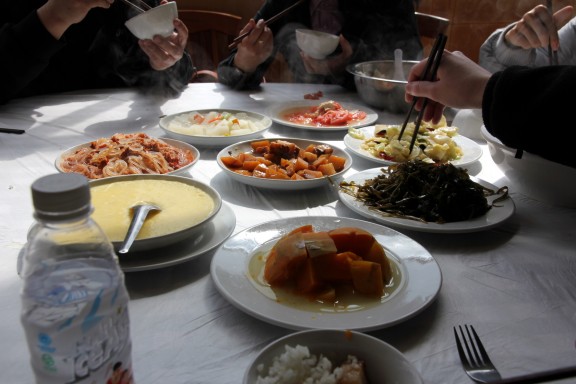
Delicious multi-course lunch

After lunch, we switched from our large coach bus to smaller vans for the rest of the drive.

Matt here… let me take this one. Holy s**t. That ride was insane. Hey, driver, sure you don’t want to use the extra foot-and-a-half of open road to your right before it drops straight off into the 9000-foot canyon? Good thing it rained earlier today for the first time in a month. Judging by the sounds this bus makes, I bet you have new tires circa 1995. Oh, wow. Now it’s a gravel road. Just be careful to avoid those day laborers and random piles of gravel as you seem to be practicing your drifting technique on those hairpin turns. OK. We are there now? Thank god.

All that’s between us and a few-thousand-foot drop

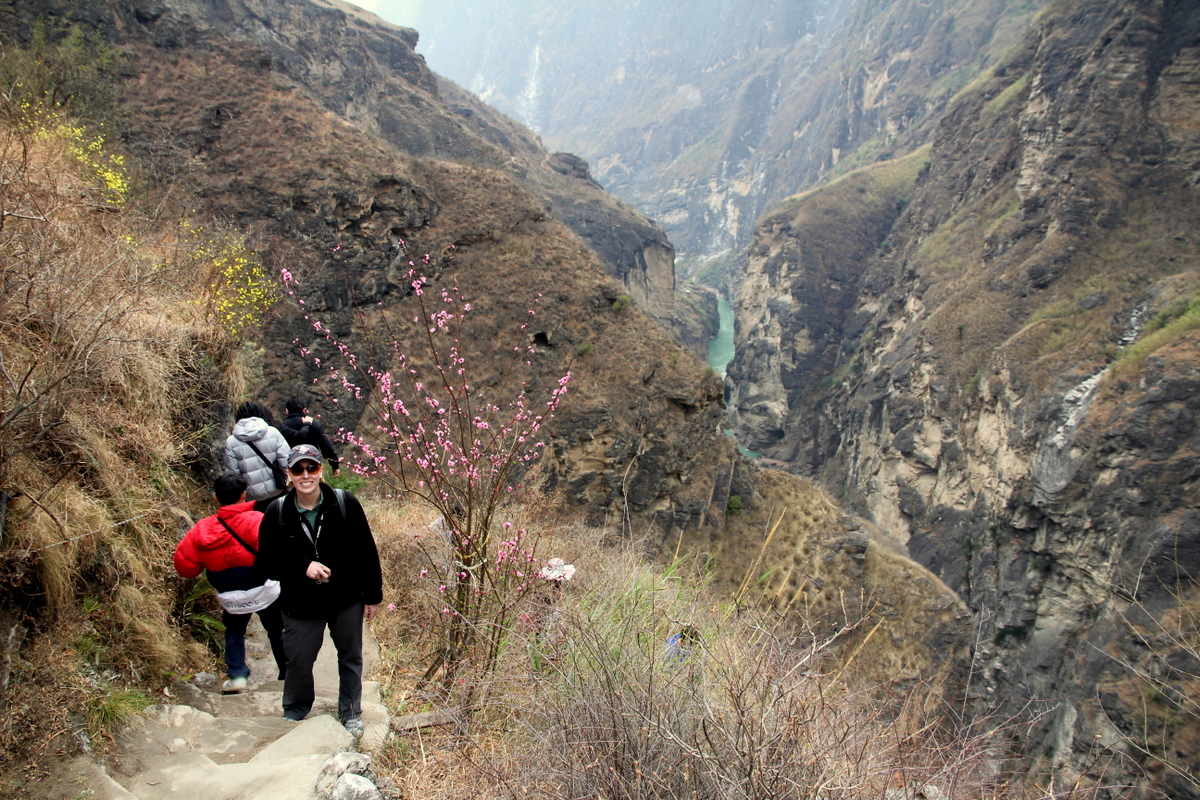
We’d been catching glimpses of the gorge looking out the van’s windows, and when we finally arrived at our starting hiking spot the views were even more impressive. Our guide motioned for everyone to follow him, and we started the hike unsure of what we were in for. The descent was immediately steep, with “steps” sometimes of stone and other times just dirt carved into the path. Amazingly, some of the Chinese tourists in our group were dressed in skirts and heeled shoes, while Matt and I were lamenting our tennis shoes and wishing we had hiking boots.

Starting the descent into the gorge
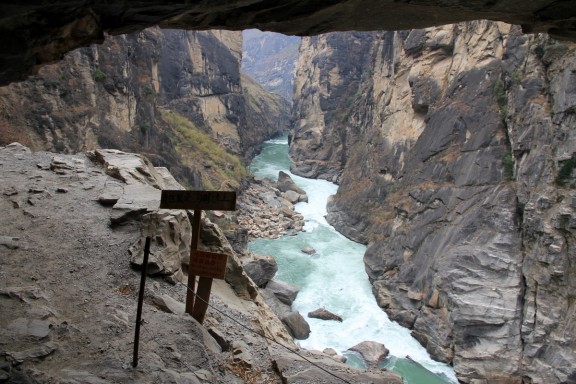

Halfway down the mountainside

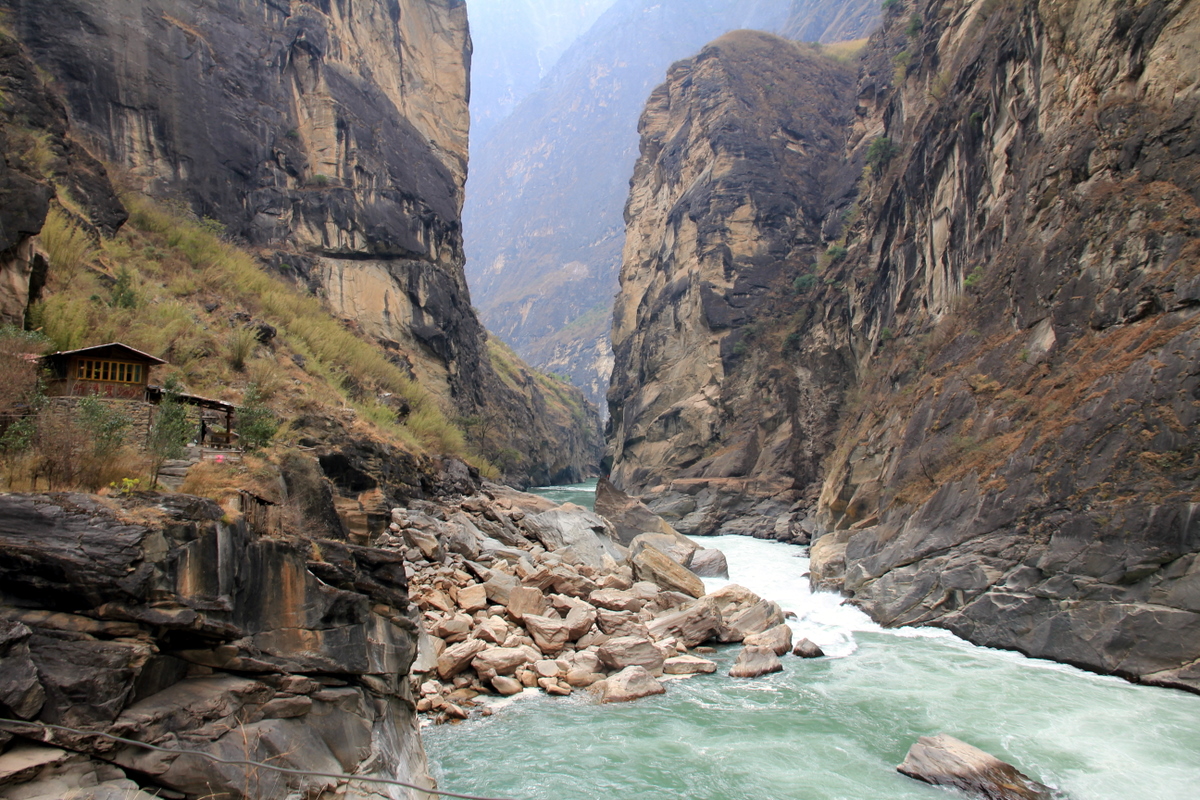
The views were incredible, but we had to concentrate so hard on our footing that we only looked up once in a while. Earlier rains made some of the rocks slippery, and chains strung along parts of the path helped a little but not much. We safely reached the river and were awed by its roaring rapids and beautiful turquoise color.
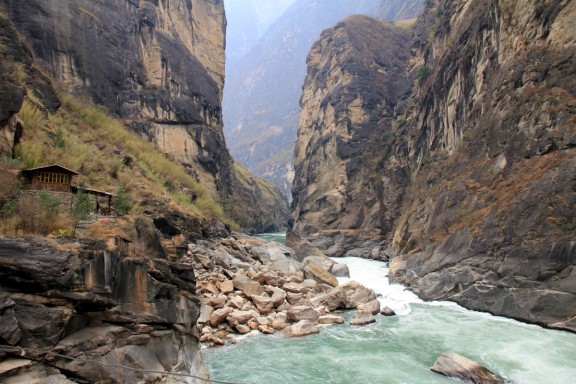
Made it!
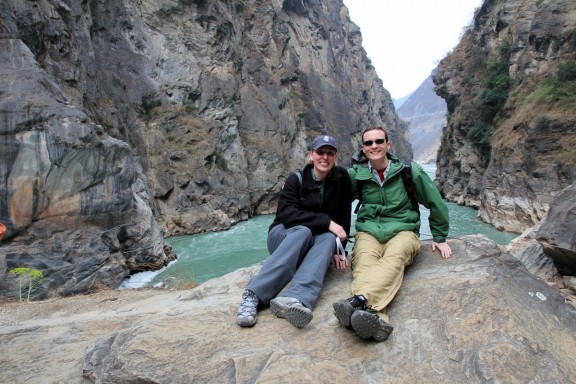

At the mid-point of Tiger Leaping Gorge

In the middle of the river near where we’d ended our descent was Tiger Leaping Rock, a large rock supposedly used by the legendary tiger to cross from the east bank to the west bank. Looking at the width of the river we doubted a tiger could have made such a leap, but who knows? We stayed for a while at the bottom of the gorge, taking pictures and enjoying the views.

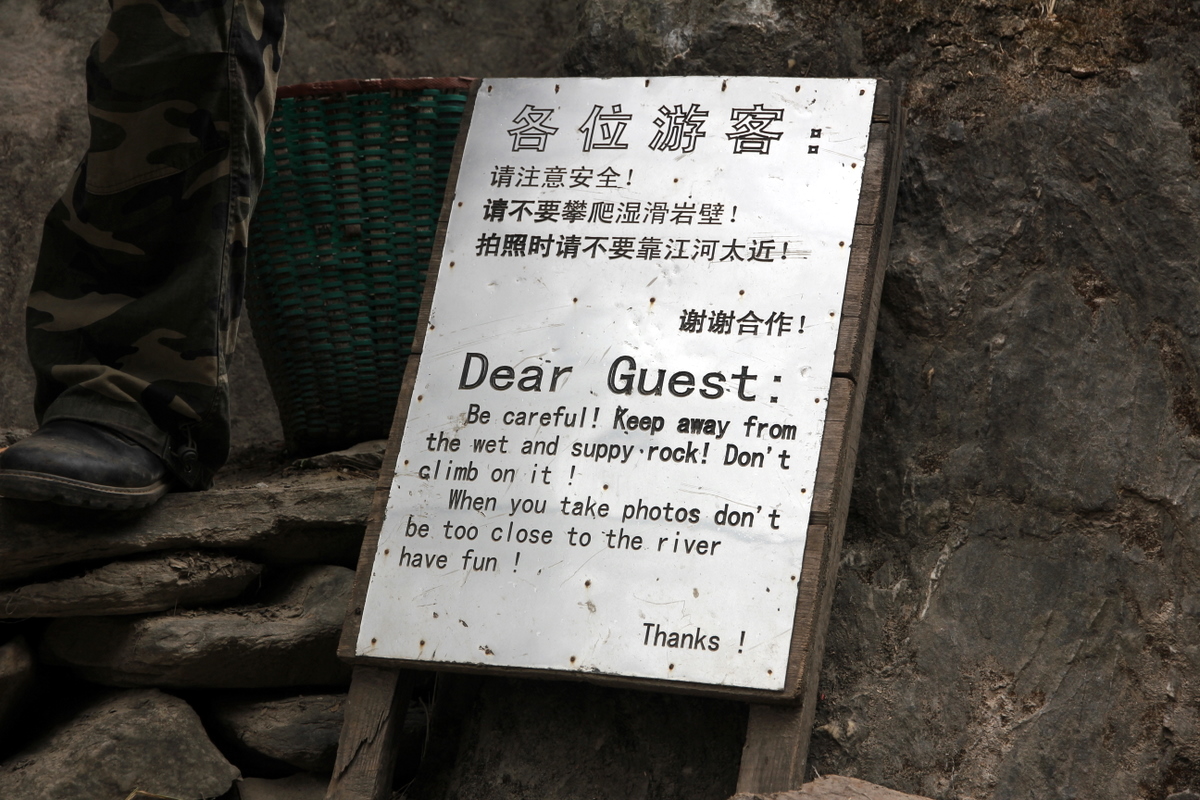
Beware of the suppy rocks

What goes up must come down, or in this case, what goes down must come up, and we headed back up the same path, stopping to rest often; the steepness and unevenness of the steps made for a rather exhausting trek. About halfway up, our guide gathered us all for a brief discussion (in Chinese, of course), pointing to one path and then to another. Luckily, there was an English speaker in the group who told us that from where we stood, there were two options for the rest of the way up: one was apparently a shortcut, but we didn’t understand which was which.

We opted to stay with the guide and about half our group, and our helpful translator asked us if we were afraid of heights, which should have been a sign of things to come. We walked for a while along a relatively flat path before coming to a ladder made of short planks and thick metal wire that went up the mountainside at approximately an 80-degree angle. (If this was their idea of a shortcut, a little more explanation would have been nice.) One at a time, we slowly climbed up – I  could not look up or down, only straight ahead, and I have never concentrated so hard on anything in my life. There were no guardrails or safety harnesses of any kind – if you slipped, that was it.
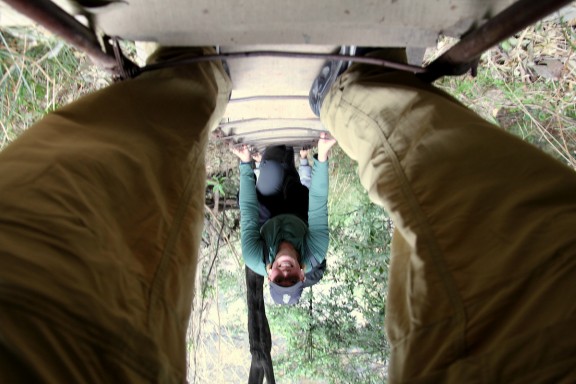
“OH MY GOD, MATT, THIS IS NOT THE TIME FOR ME TO SMILE.”

After about fifty steps, the ladder ended (to my great relief). However, about twenty feet further along the path, we came up on another one. Fifty more steps straight up, another short walk, and one more ladder and we’d made it back to where we’d started, tired but exhilarated. We estimated we’d climbed about 4000 feet from the bottom of the gorge to the top, though we’re not really sure.

View from top of second ladder
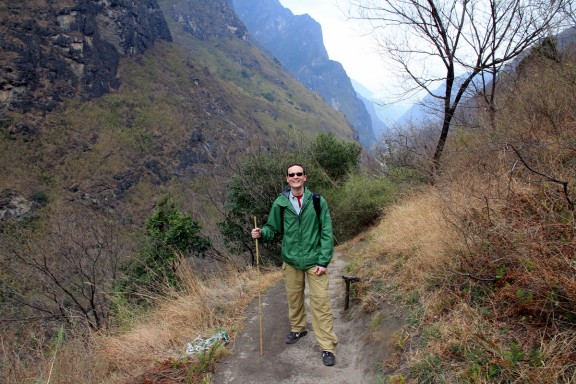

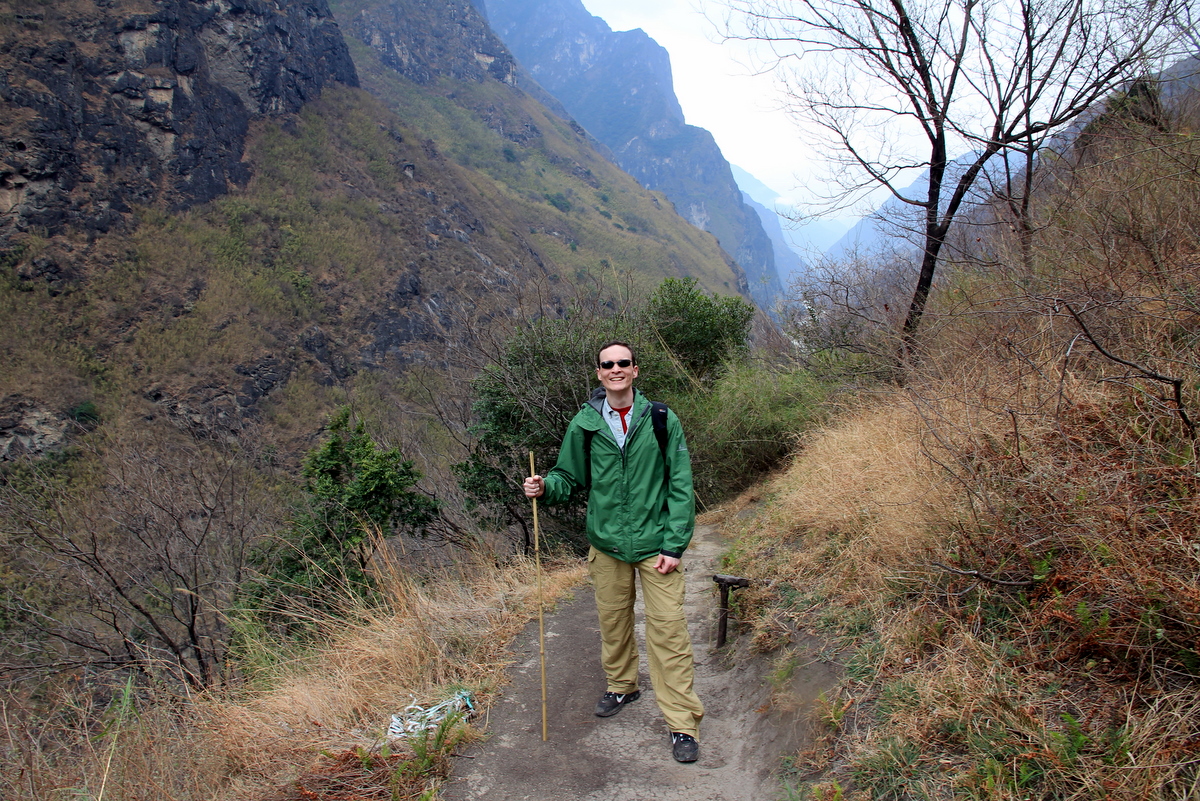
Matt found a bamboo walking stick


We didn’t fall into the gorge!

The drive back was equally winding and nerve-wracking but uneventful, and we arrived back in Lijiang around 5:30 PM. We wandered through the village, enjoying some street food snacks and checking out the souvenir stalls.
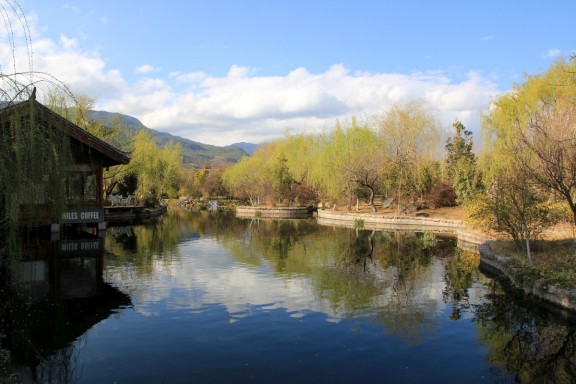
Back at the entrance to the Shuhe village
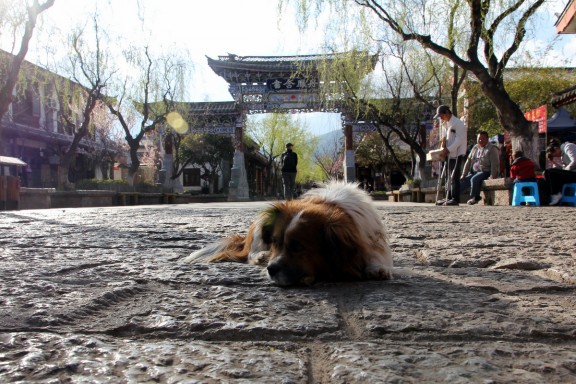

Dog-tired

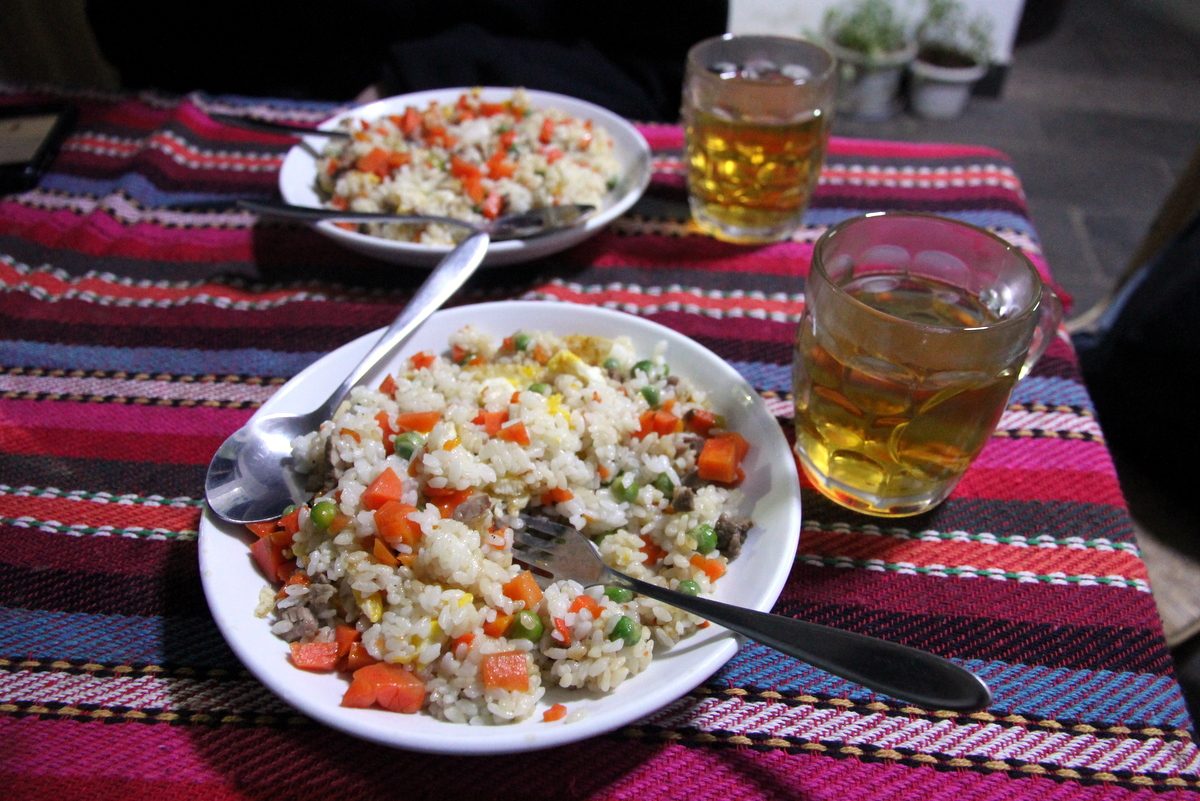
Every night in the village square, there is a bonfire and a performance of Naxi singing and dancing. Some of the people in the large crowd joined hands and danced along – it was sort of like Chinese line dancing. Afterward, we came back to the inn for a lovely meal of fried rice before turning in for the night.

Naxi dancers in traditional costumes
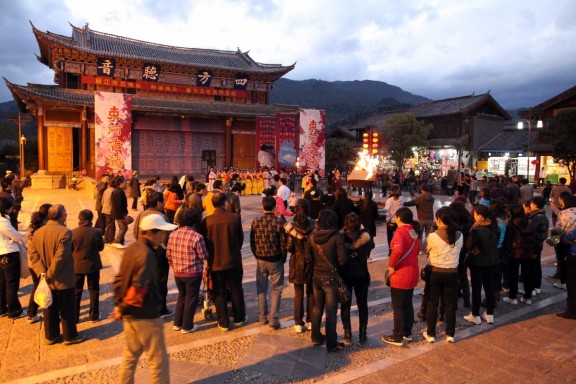

Dancing in the village square
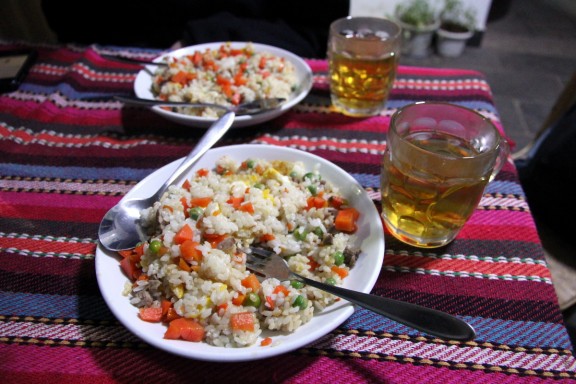

Anna’s secret recipe!

What an incredible day – the guidebooks describe Tiger Leaping Gorge as an impressive site, but words don’t do this place justice and we’re so glad we made the trip to see it (and lived to blog about it!)

Day 7: Chengdu/Lijiang

Today we were up early to catch our flight to Lijiang, 350 miles southwest of Chengdu and part of the Yunnan province. The city is home to the Naxi people, who are related to Tibetans but have their own language and culture; it’s traditionally matriarchal, with women inheriting all property and mediating all tribal conflicts. Lijiang sits at the base of Jade Dragon Snow Mountain, considered one of China’s most spectacular peaks. We caught a glimpse of snow-capped mountains during the flight and watched the terrain get more and more impressive the closer we got to the city.

Waiting to board the plane in Chengdu


Flying toward more rugged terrain in the Yunnan province

The road from the airport to our hotel was largely unfinished which made for a very bumpy ride, but our driver expertly navigated the potholes and we arrived at the Maple Leaf Inn in about 40 minutes.

One day this will be a fantastic road… but today is not that day!

I booked this hotel due to its good online reviews (thanks, TripAdvisor), the fact that one of the owners was from Holland (and therefore spoke English), and because it offered travel arrangements for the various sidetrips we wanted to take. We were thrilled to find it to be a charming little inn in Shuhe (one of the villages of Lijiang) and upon arrival we met the owners Wil and his wife Anna, plus their four children. We got settled and then went for a tour of the village with Wil and his son.

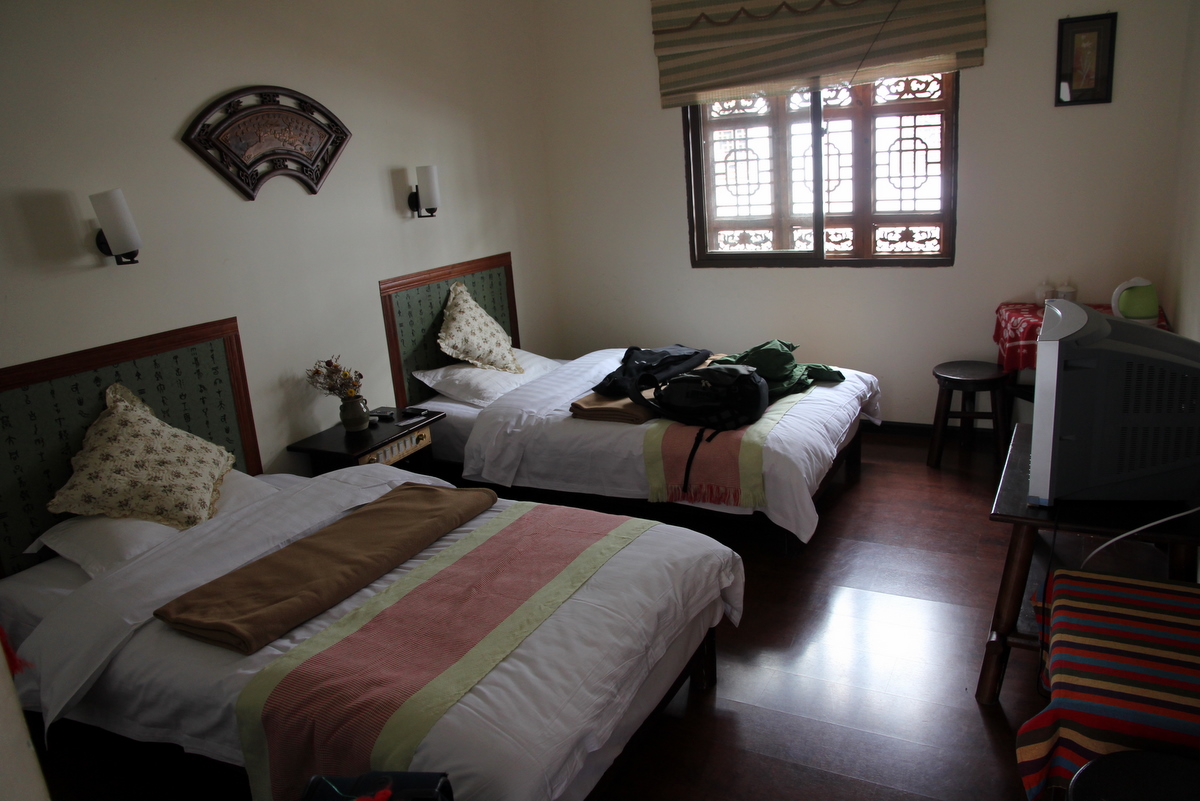
Our $25/night room – pretty nice!


Getting a tour of Shuhe village


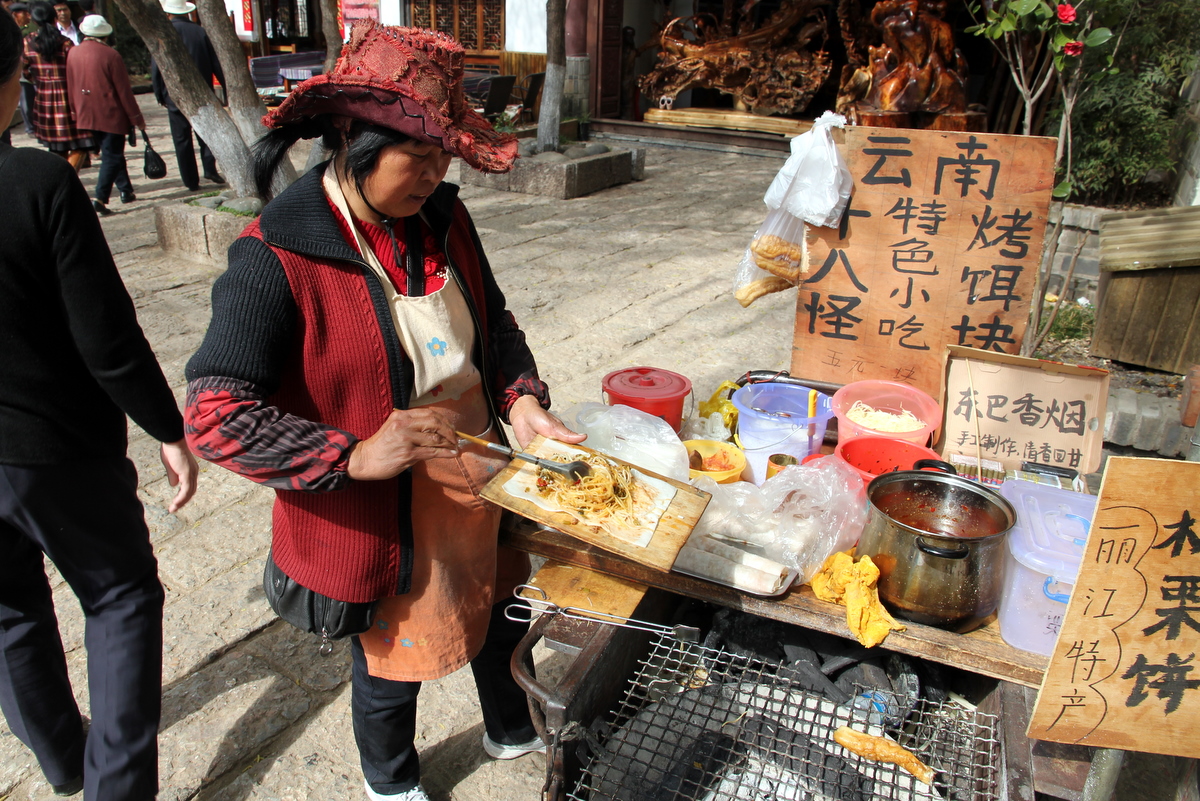
Stylish hat and tasty fried noodle snacks

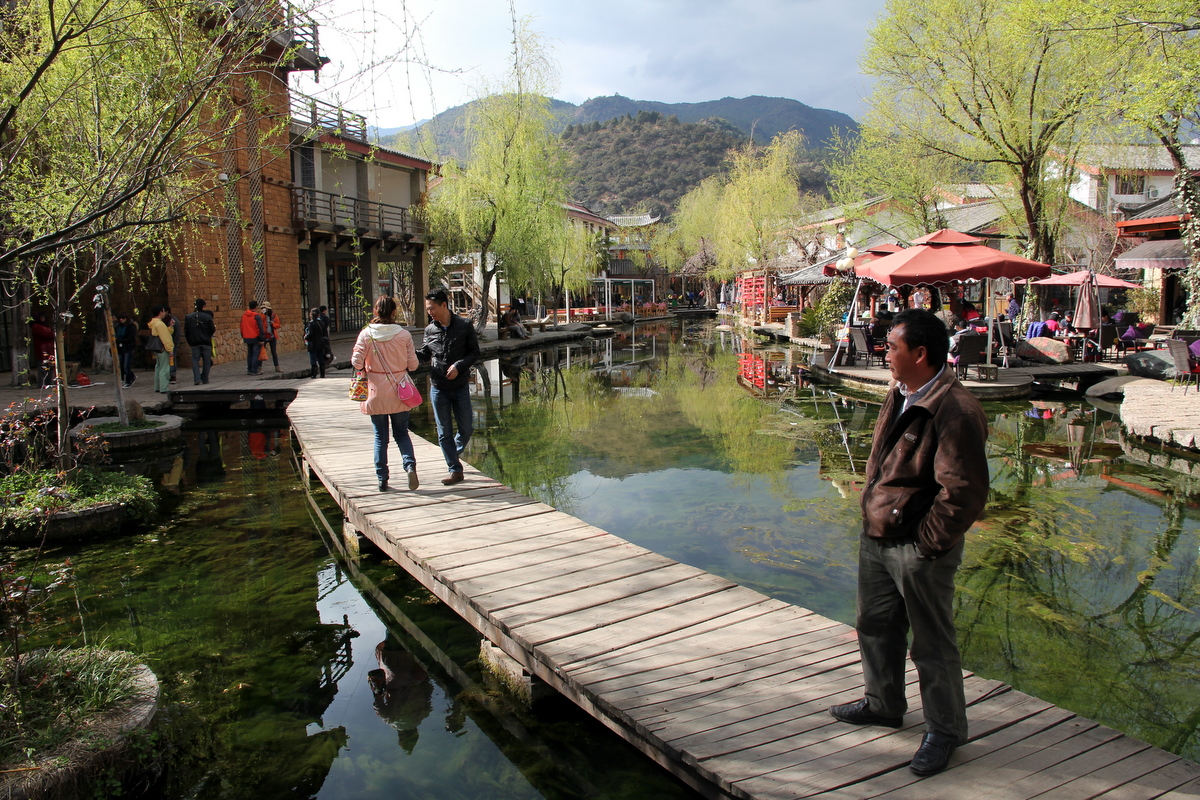
The village is a labyrinth of alleys, winding streams, countless shops, and traditional Naxi houses. We explored for a while before returning to the hotel to sit outside in its lovely courtyard and visit with Wil and Anna.

Pick-up street badminton


The stream runs throughout the entire village


One of these guys is not like the others


Little alleys everywhere

For dinner, Wil took us to his favorite noodle shop where he helped us order fried noodles with pork and vegetables. He did not mention that each order could have fed four people. They were delicious, though!

Shuhe sunset


Waiting for our dinner and taking photos with Wil’s daughter Joanna


Yeah, I think that’s enough noodles

Back in our room, we discovered that there was no heater – a minor inconvenience in an otherwise great place. We pulled on our hats and gloves to help stay warm and made plans for our three days in Lijiang.

Layers!

Day 6: Chengdu

This morning we visited the Giant Panda Breeding Center & Research Base located northwest of Chengdu.  Its scientists are devoted to helping pandas breed and care for their young in a safe, controlled environment with the intention of eventually re-introducing some into the wild.   The grounds are covered with trees, flowers, and 14 species of bamboo.  We read that the pandas were most active in the morning, so we got there early and headed straight for the cub enclosure.

The Chengdu Panda Research Base is one of the few places to see pandas in China


Matt with panda cubs in background

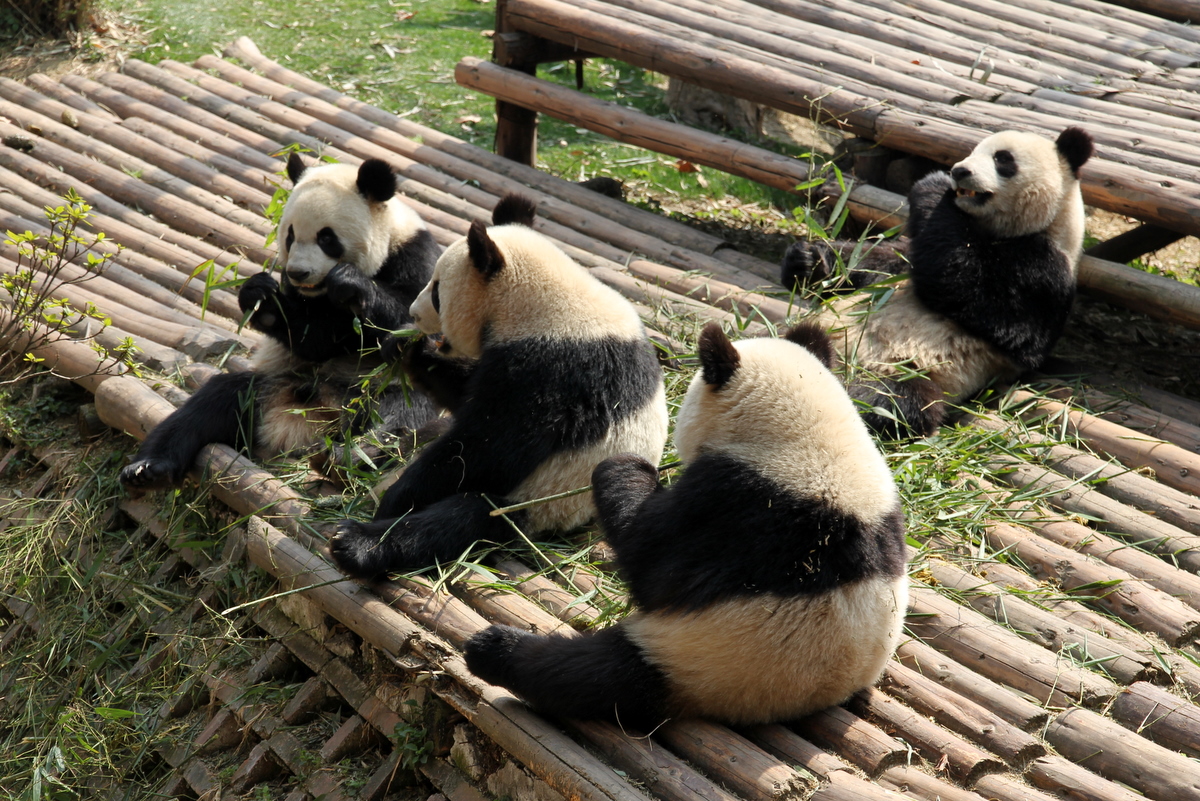
Four cubs were out, eating bamboo leaves and climbing around the various trees and wooden structures placed around their enclosure.

Giant pandas can eat up to 85 pounds of bamboo a day


The cubs ignore the whistles and calls of the tourists, but occasionally they'll pose for the camera!


Wide view of the cub enclosure


Everyone's got something to eat

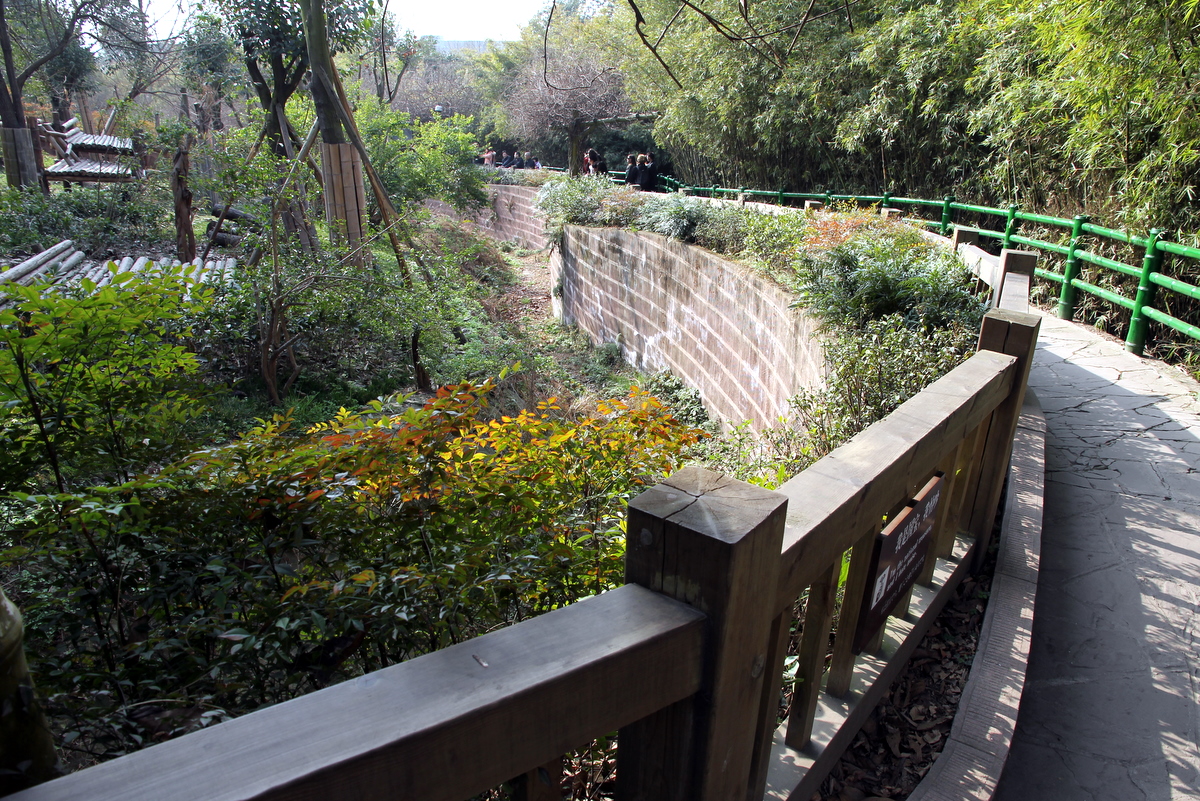
We left the cubs to their snacking and headed for the other enclosures: Panda “Kindergarten” (even younger cubs, living with their mother), sub-adults (2-5 years old), giant adult, and red (lesser) pandas. There were no newborn pandas available to see; they’re generally born between July and December.

No crowds on this beautiful sunny day!


The red panda, aka the lesser panda, is more closely related to the raccoon than the giant panda


See the giant panda in the background?

On our way out, we stopped by the cub enclosure again and happened to arrive at feeding time. One of the keepers threaded “panda bread” and apples onto a long skewer and held it out to the cubs, who fell all over each other trying to snag the treats.

"Hey ref, this panda's all over me!"


Waiting for more apples

We followed the keeper to the sub-adult enclosure and watched two more pandas have their lunch.

Discussing panda life over lunch


Panda picnic

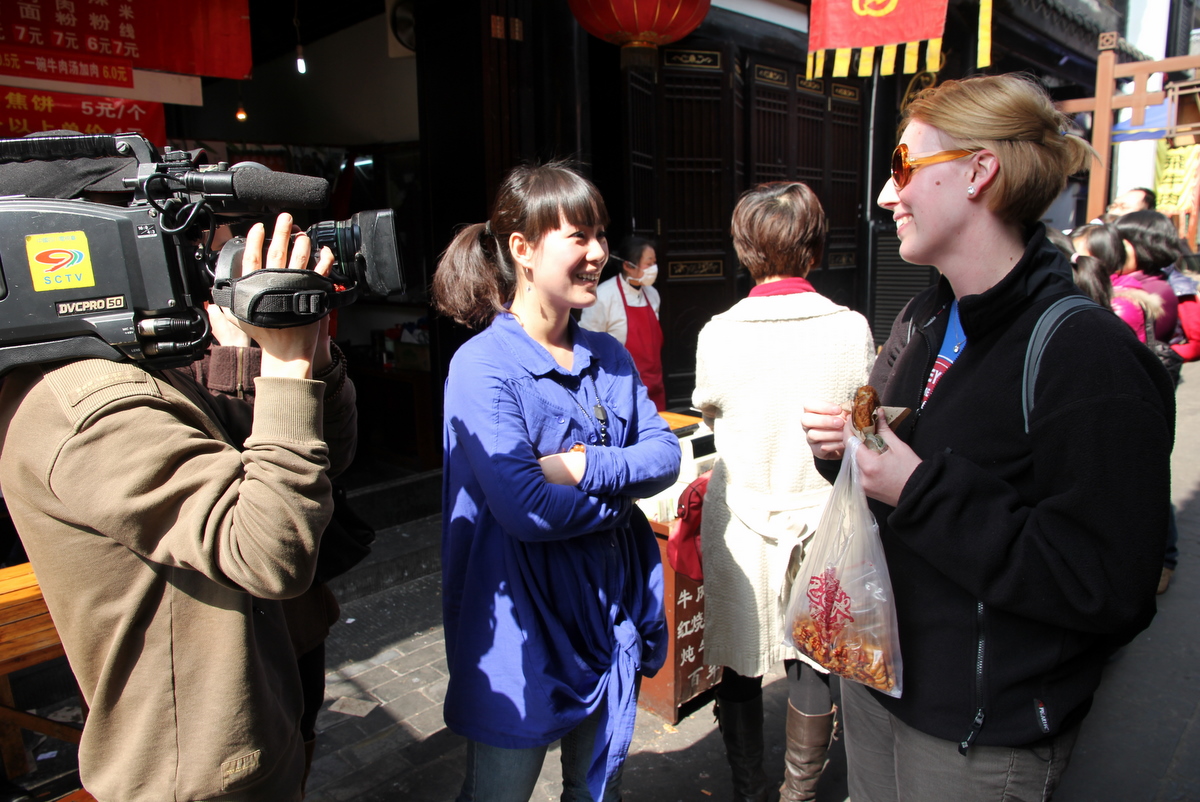
While looking for lunch back near the hotel, we noticed a long line of people at one of the food stalls. Since that’s usually a sign of good food, we decided to buy whatever it was and were pleased to find it was a kind of giant dumpling, stuffed with beef and vegetables and fried until crispy. We noticed a cameraman videotaping the cooks making the dumplings, and as we were walking away we were stopped and asked if we could be interviewed for Sichuan television. We were asked where we were from, if we’d been to Chengdu before, and if we had something similar to this fried item in the States.

15-minute wait for this popular snack


Look for us on Sichuan TV soon

Our hotel had a lovely spa, so we booked traditional Chinese massages and proceeded to have every muscle in our bodies pummeled into oblivion. It was fantastic. 🙂 We had dinner at the same noodle shop we’d visited the first night, this time sampling all three kinds of noodles they offered.

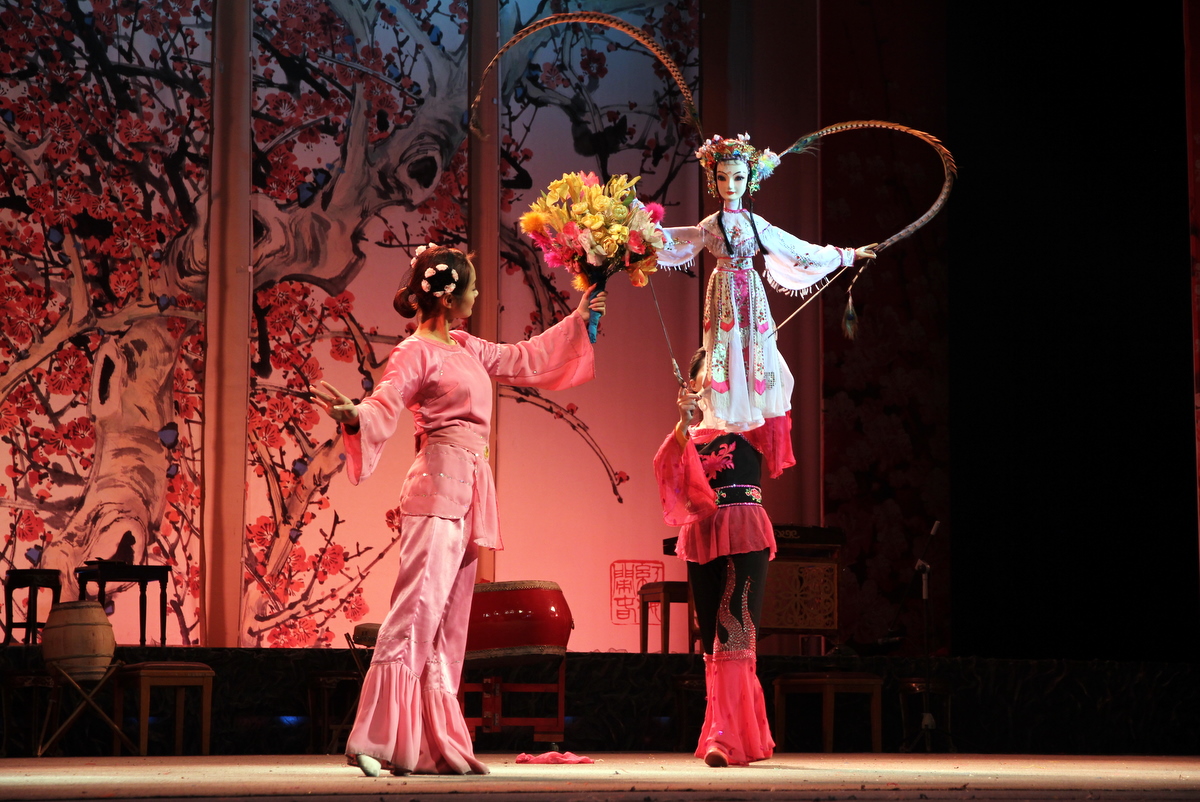
We had tickets for the Sichuan opera, which features singing, elaborate costumes, fire-breathing, acrobatics, stick puppets, and the famous bianlian, or “changing faces”. We purchased the cheapest tickets (of course) and were surprised to find our seats were front row, right in front of a digital display that translated the lyrics (we figured they’d put us in the “foreigner seats” – nice!). There was a “mistress of ceremonies” who gave a brief explanation before each act.

The opera was outstanding – the costumes and makeup were gorgeous, the music was fantastic, and the best part was the face-changing act, where the performers changed their masks in the blink of an eye. (How they do this remains a well-kept secret!) The 90-minute performance was over much too quickly and was one of our favorite things we’ve seen in China.
"Song of the Beautiful Girls"


Sichuan opera singer


All of the costumes were beautiful


Another highlight was the stick-puppet performance


Cool fire-breathing


Even the stick puppet changed masks!

We’d come to Chengdu for the pandas, Sichuan opera, and spicy food, and while we didn’t see any of the famous temples and other historical sites mentioned in all the guidebooks, we’re pretty happy with the parts of Chengdu we did see. Tomorrow we’re off to the mountainous Yunnan province for a few days in the city of Lijiang!

Day 5: Chengdu

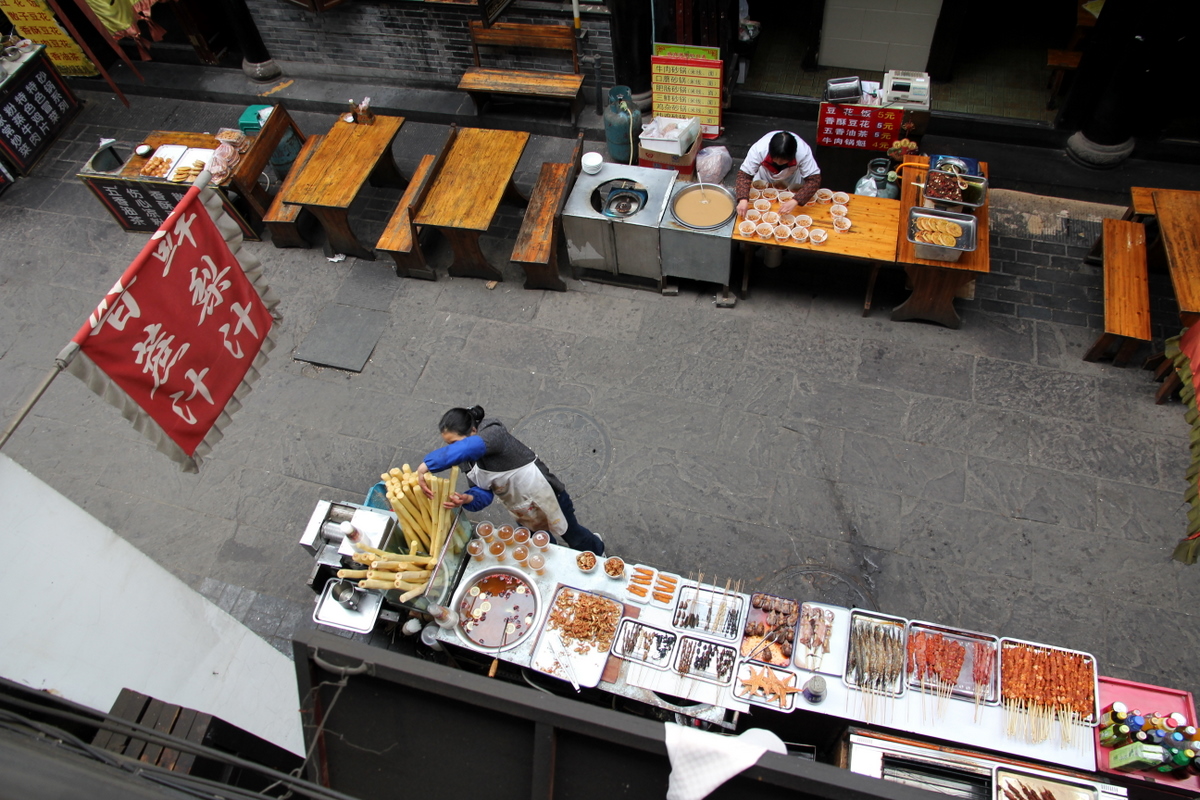
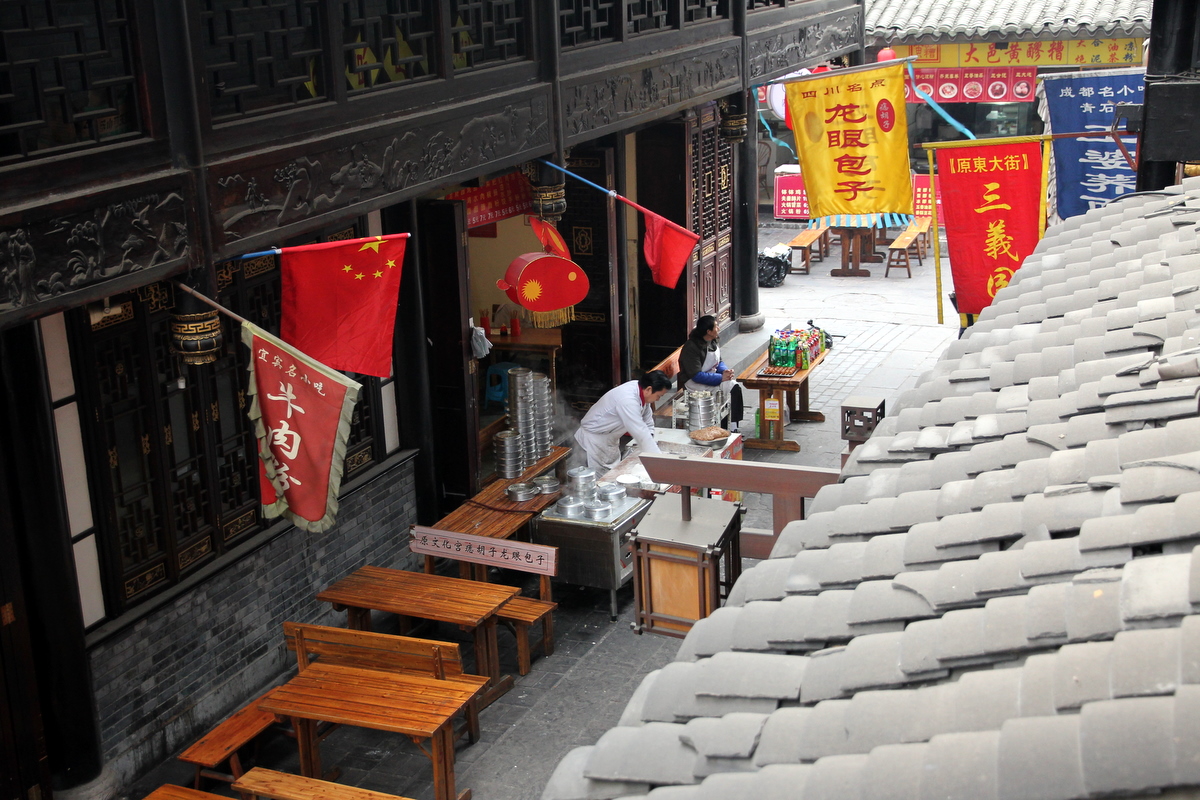
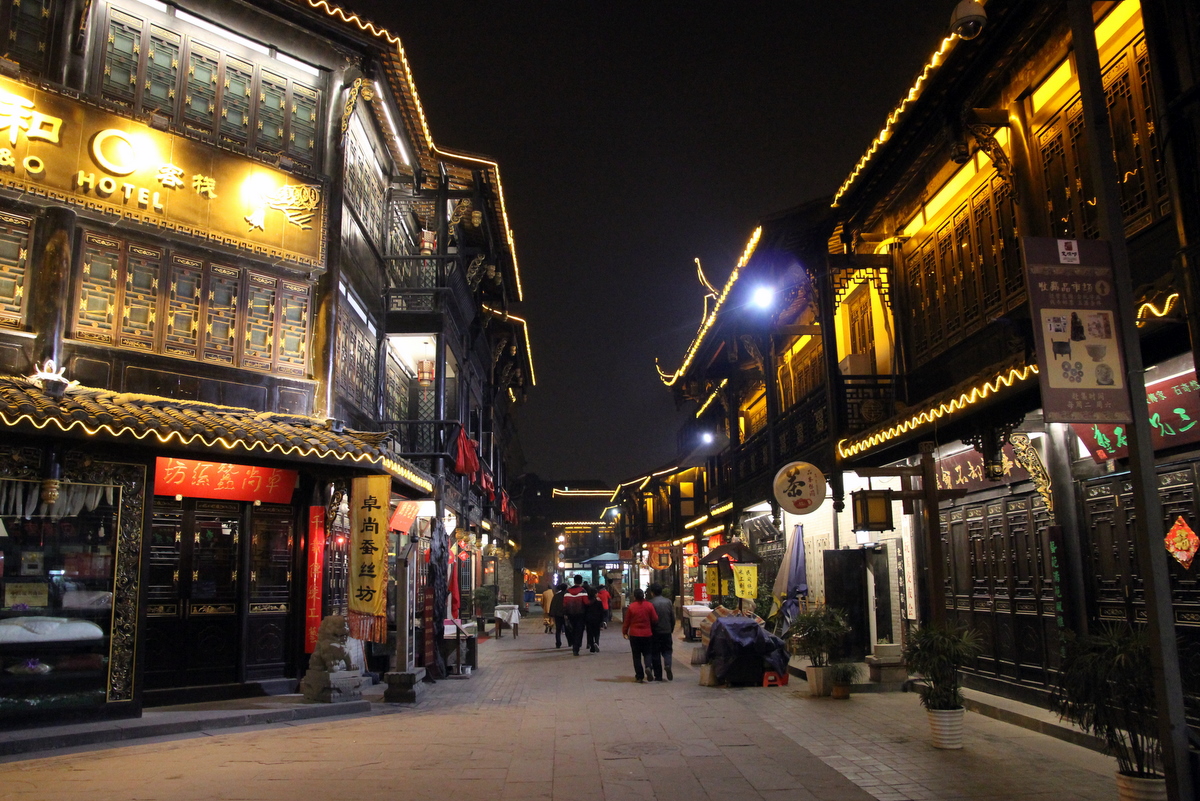
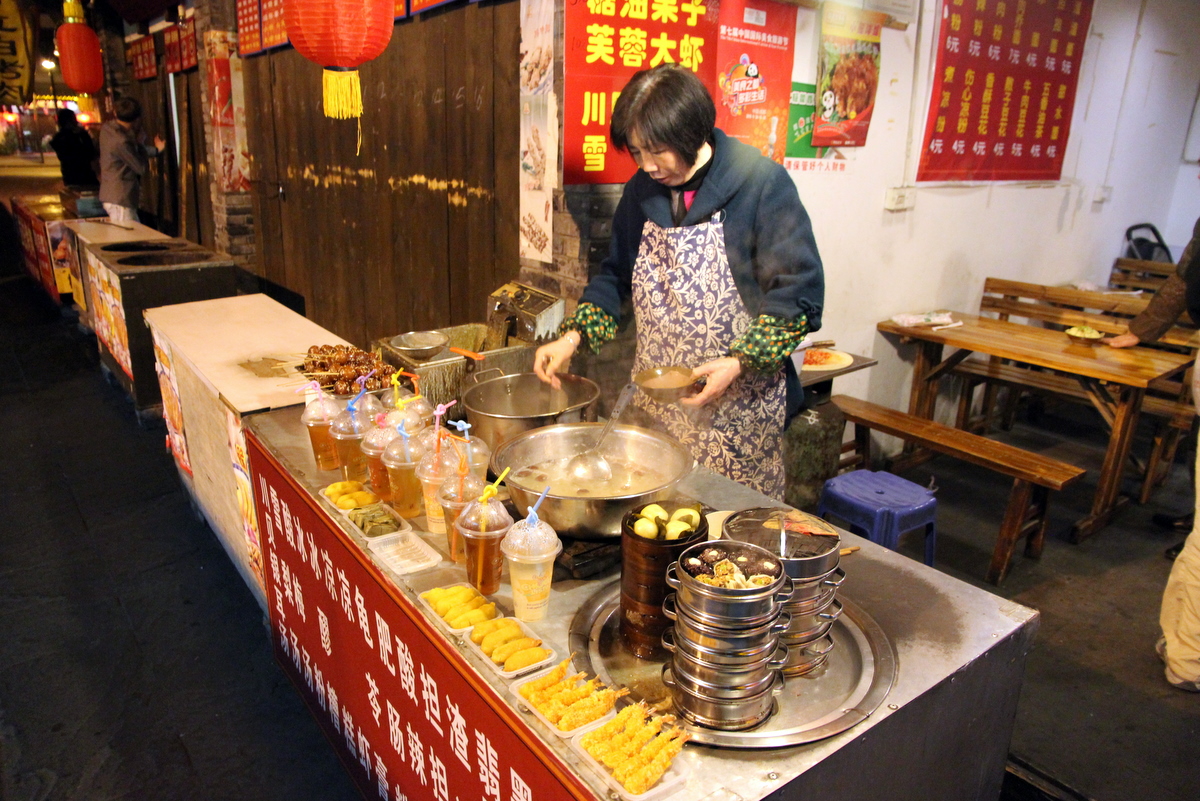
This morning we woke up to the sounds and smells of Cuisine Alley, a street of restaurants right outside our window. We spent some time watching the area come to life before heading out to explore Chengdu.

The view from our hotel room window


We would have had breakfast out here if not for the nice one provided by the hotel


Hotel interior

We set off by foot and walked in a southwesterly direction toward Chengdu’s city center. On the way, we must have passed through the city’s designated “athletics” zone, featuring the city’s Olympic-sized stadium, several health clubs, and store after store filled with sports clothing and gear for the city’s most popular sports (basketball, running, ping pong, etc.). It would be like Chicago declaring that Sports Authority, Dick’s Sporting Goods and the Nike Store could only build next to each other in Wrigleyville.

China's basketball icons: Kobe Bryant, Kanye West and Bruce Willis?


Street card game..."Look, my joker beats your two. I win!"


Walking around Chengdu single-file

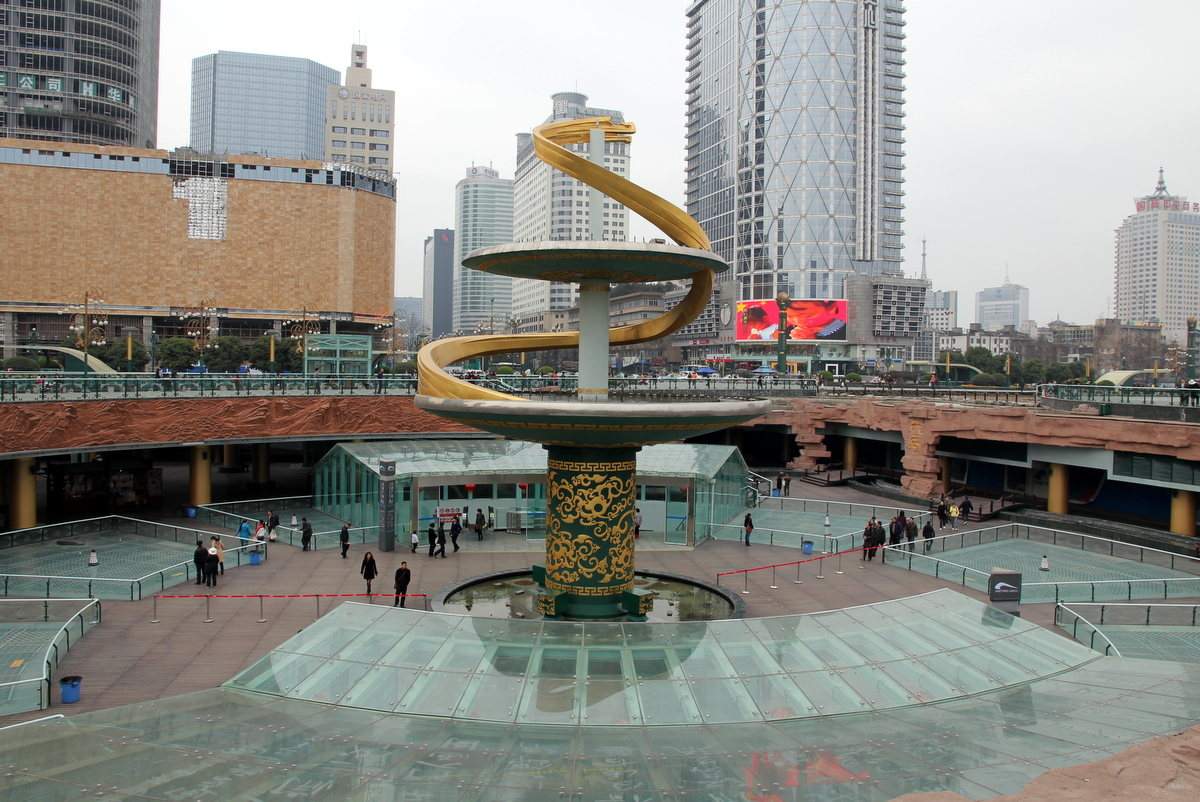
Eventually, after making a pit stop at a Hilton to get a better map, we navigated our way south and west to Renmin Park, one of Chengdu’s biggest and most beautiful parks. Along the way, we passed through Tianfu Square, the center of downtown Chengdu and once the site of the Imperial Palace.  Overlooked by an enormous statue of Mao,  it features an elaborate music and water show twice a day (which we missed, unfortunately).

Tianfu Square

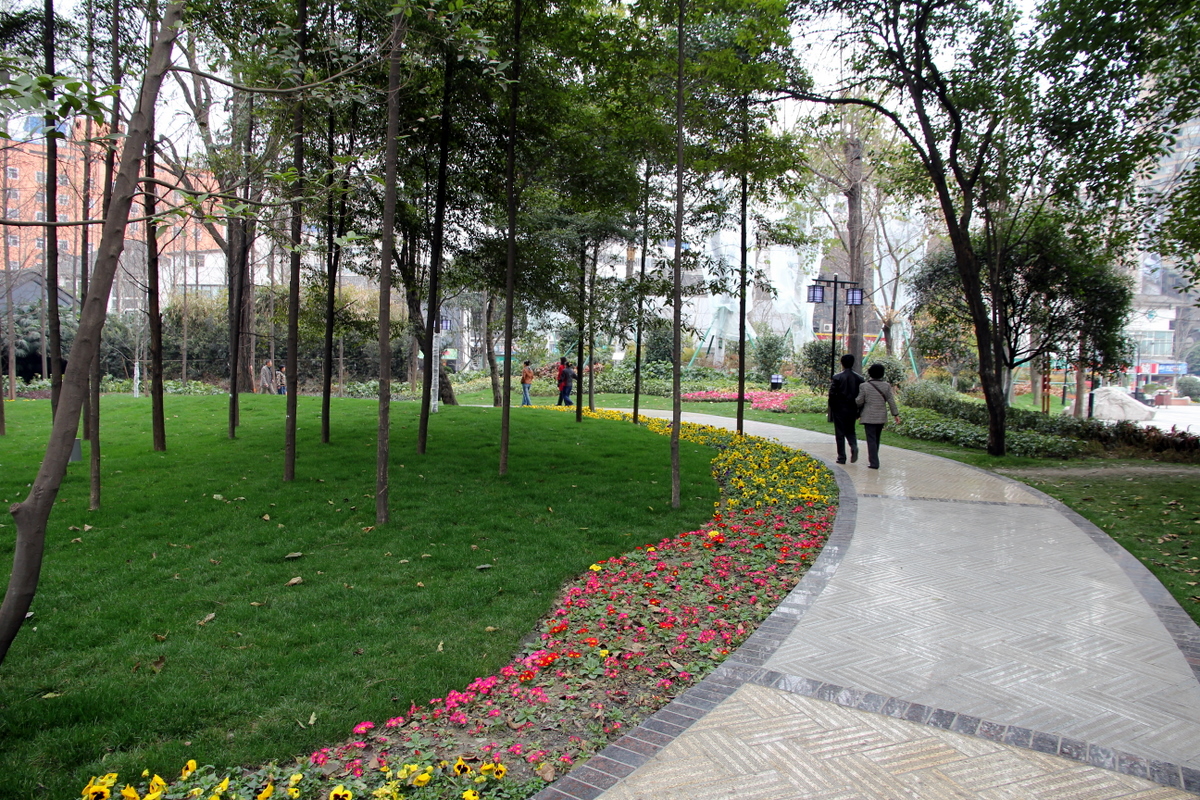
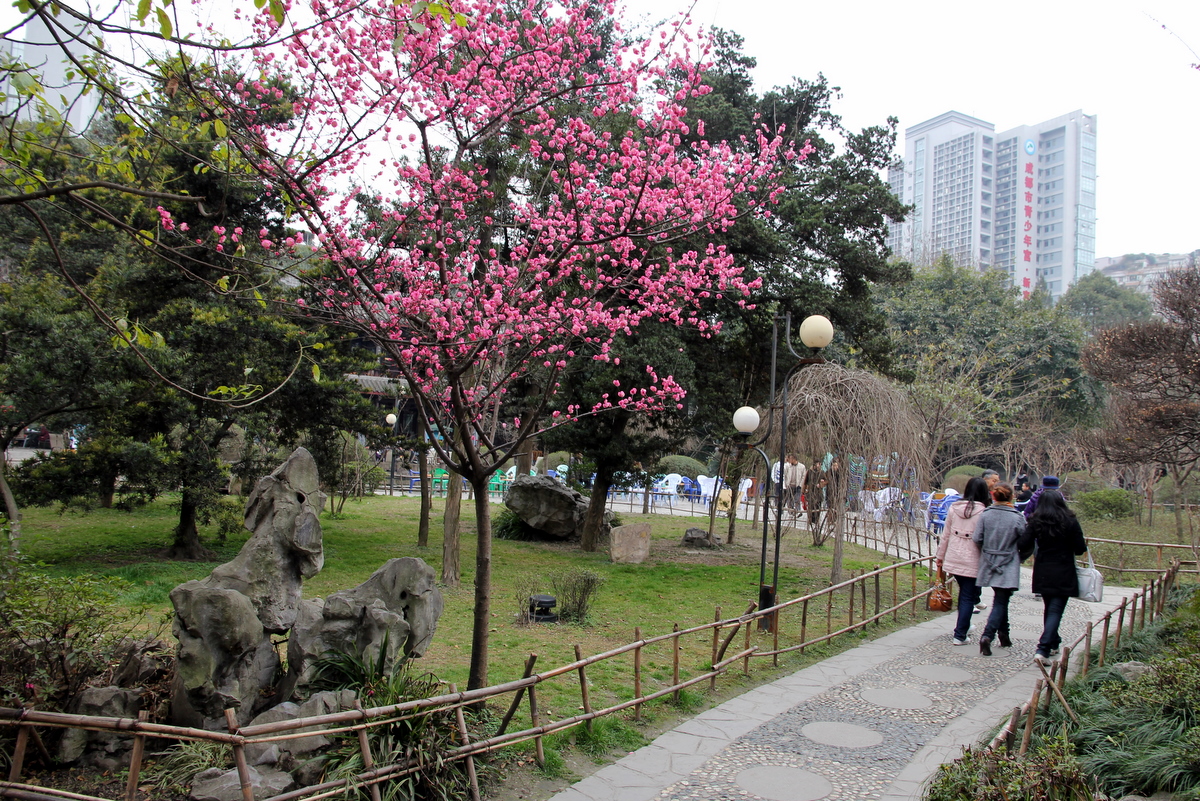
Renmin Park, or People’s Park as it is also known, was gorgeous, filled with ponds, lakes, terraces, and flowering trees.  We met an English-speaking tour guide who told us that the park was very popular with senior citizens, who spent the days there dancing, playing dominoes, drinking tea, and socializing.

Path through Renmin Park


Ladies performing choreographed dances to music -- anyone could join in

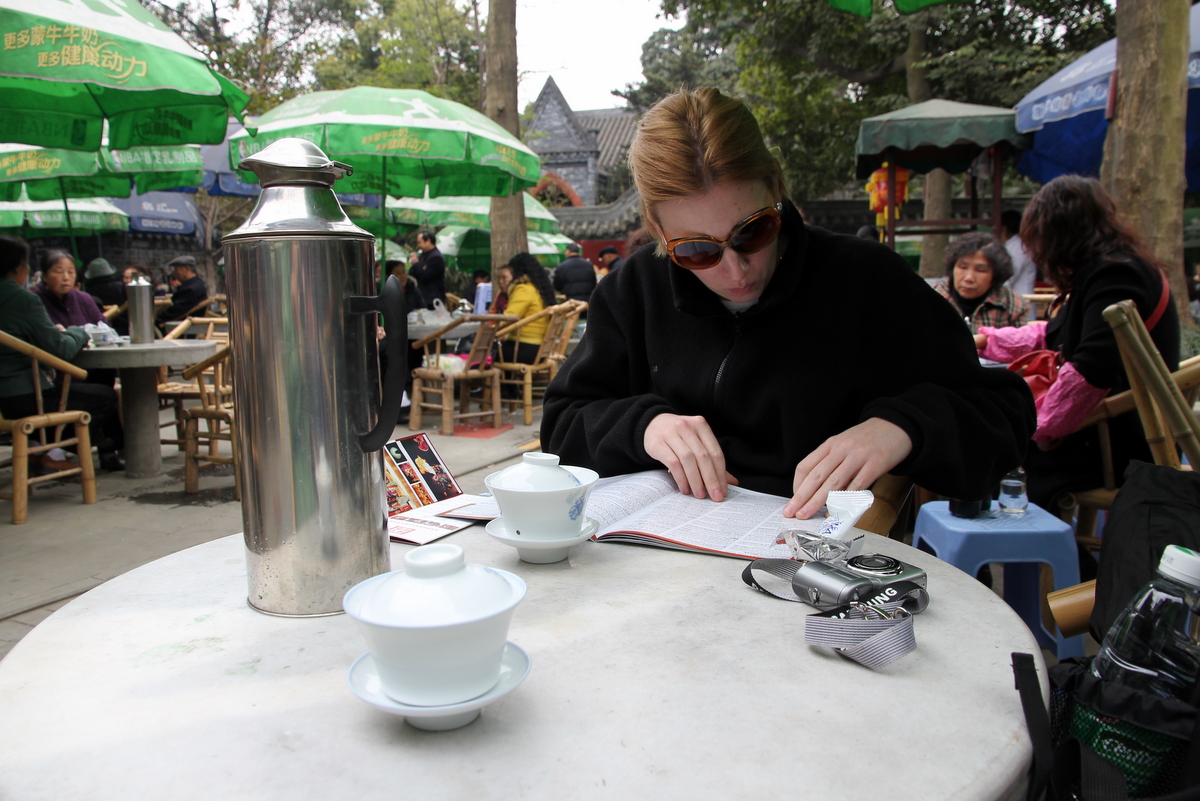
We walked around for a while before stopping at one of the many teahouses; over cups of delicious jasmine tea, we watched hundreds of people gathered around small tables, playing mahjong, a domino-type game.

Water calligraphy


Time for some tea!


We were the only ones in the teahouse NOT playing this tile game


Figuring out where to eat dinner

The park was a great way to see a slice of life in Chengdu; it seemed as though half the city was gathered in this beautiful oasis in the middle of downtown.

Pretty blossoming tree


A little too chilly for a boat ride around one of the ponds


Large crowds gathered to watch the various performances around the park

We wanted to buy tickets for a performance of Sichuan opera, so armed with only a brochure, an address, and the Hilton’s slightly-better than mediocre map, we once again returned to the busy streets of Chengdu. A few laps around the downtown shopping area and a couple conversations with policemen (none of whom offered much help), we finally found the theater.

Downtown Chengdu


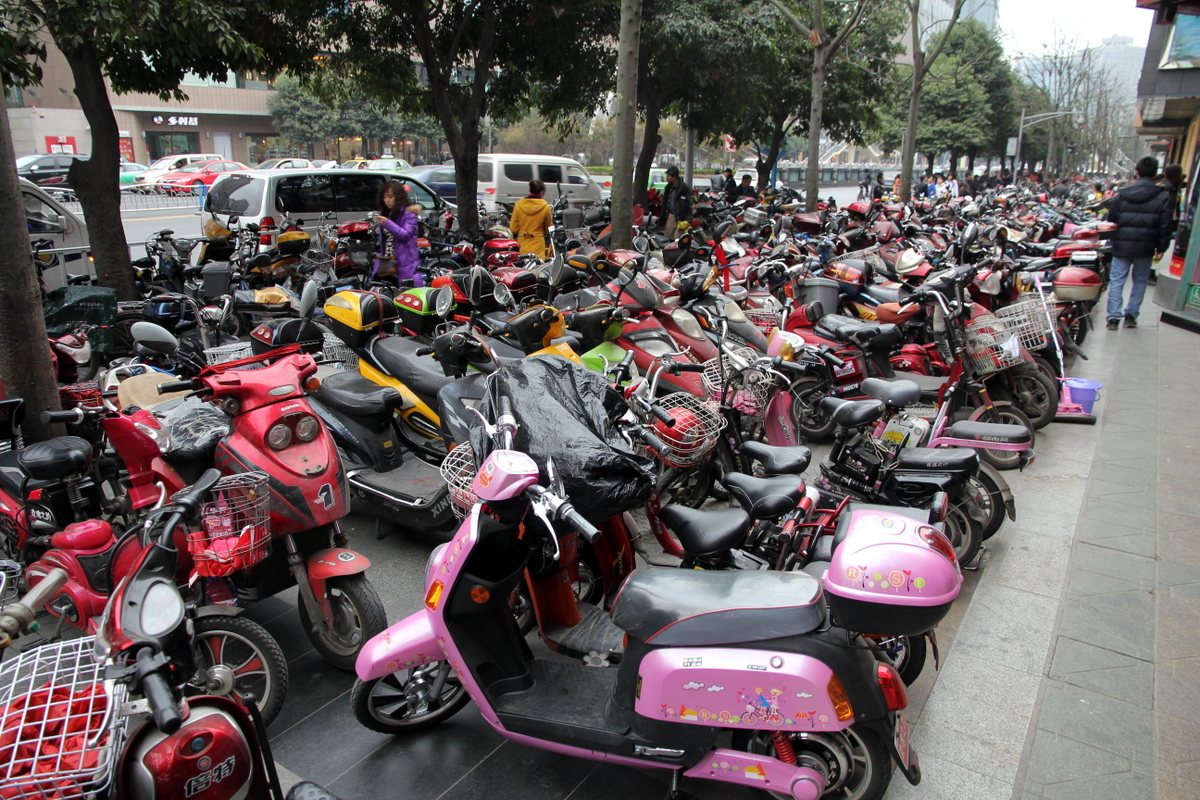
The sidewalks are one big scooter/bicycle parking lot


We have a match!

The Sichuan province is famous for its hotpot, where diners cook an array of meats, vegetables, dumplings, and noodles in boiling oil flavored with Sichuan peppers and other chilies.  In addition to the hotness of the various chilies, the Sichuan peppers cause a tingly, numbing sensation on your tongue, and the whole effect only intensifies as they continue to steep in the oil.  Not thrilled with the prospect of a mouth-numbing meal, we nonetheless figured we couldn’t come to Chengdu without trying its famous dish, so we headed for Longsenyuan Hot Pot.  Thanks to the helpful staff, we ordered a half-spicy (oil with the peppers), half non-spicy (broth flavored with ginger, garlic, coriander, and green onions) hotpot, along with beef tenderloin, bamboo shoots, pea sprouts, mushrooms, and pork dumplings to cook in it.

A fun and tasty dining experience

Verdict: excellent! Spicy, yes, but not to the point of profuse sweating.  Our server stood near our table during the entire meal; at first we thought it was just because we were clearly novices, but then we realized every table had a similar “chaperone” – we figured it was in case of an oil emergency (?).  We absolutely loved this meal.

Back near the hotel, we stopped for ice cream and wandered a little more around the “folk cultural zone”.  For having had no real plans when we set out this morning, we ended up having a pretty lovely day in Chengdu.

Day 4: Shanghai/Chengdu

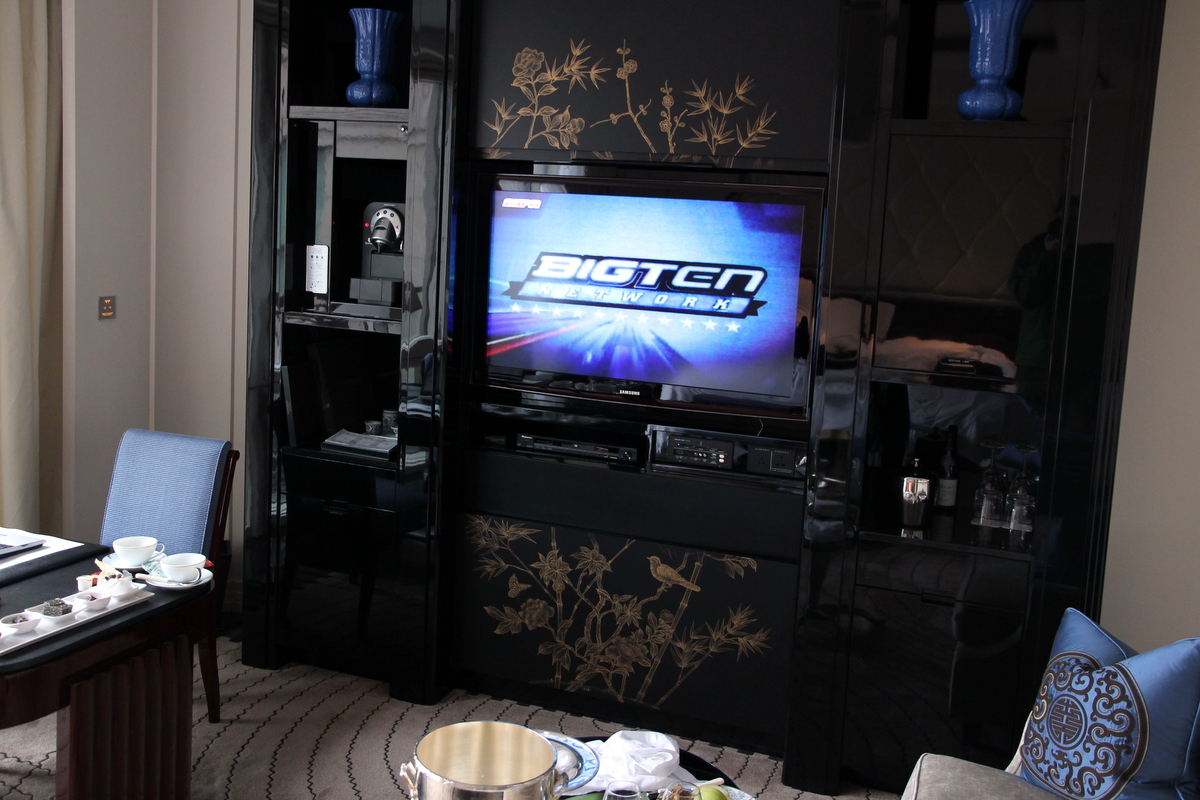
Today was our last day in Shanghai so we took advantage of the Peninsula for a couple more hours, including the sweet coffee machine, various Asian fruits, and as one would surely expect in China — Big Ten Network sports programming.

Big Ten Network in Shanghai... nice work Calderon!

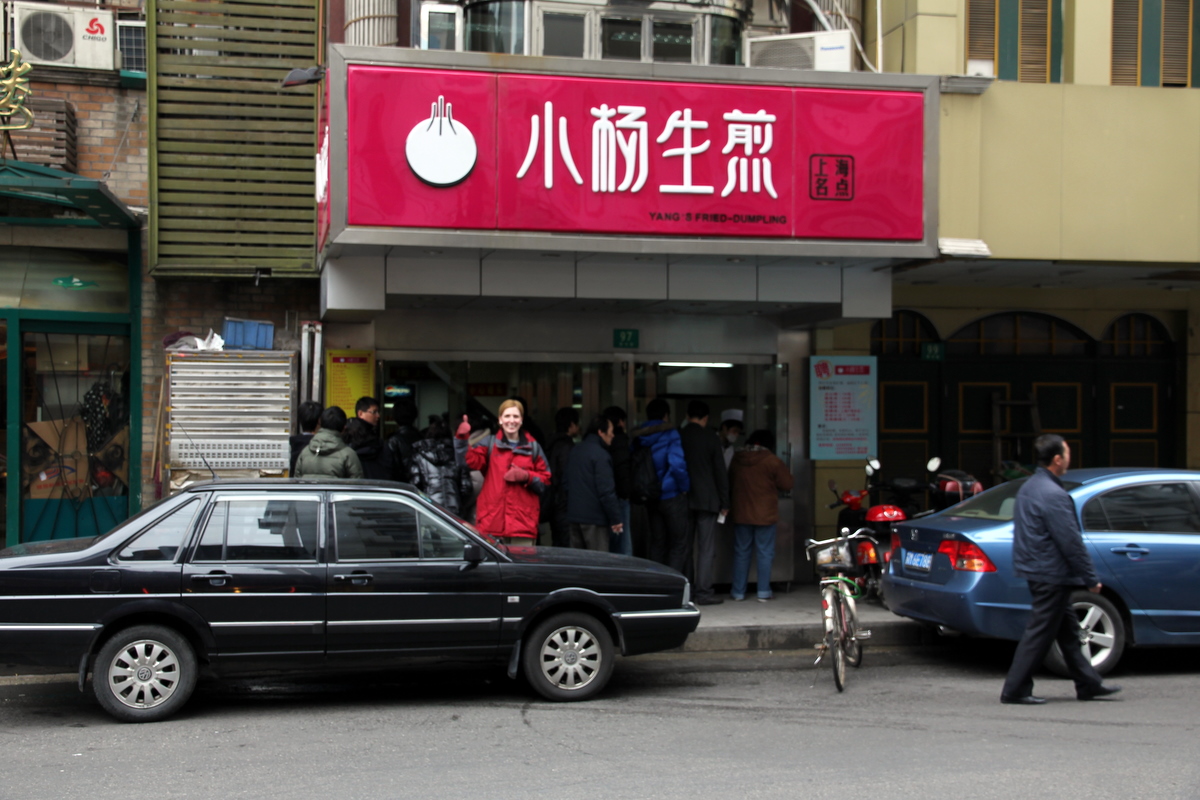
Also on the morning’s itinerary was a walk back to Yang’s for one last dumpling meal before leaving for the airport.

Perhaps our favorite spot in all of Shanghai


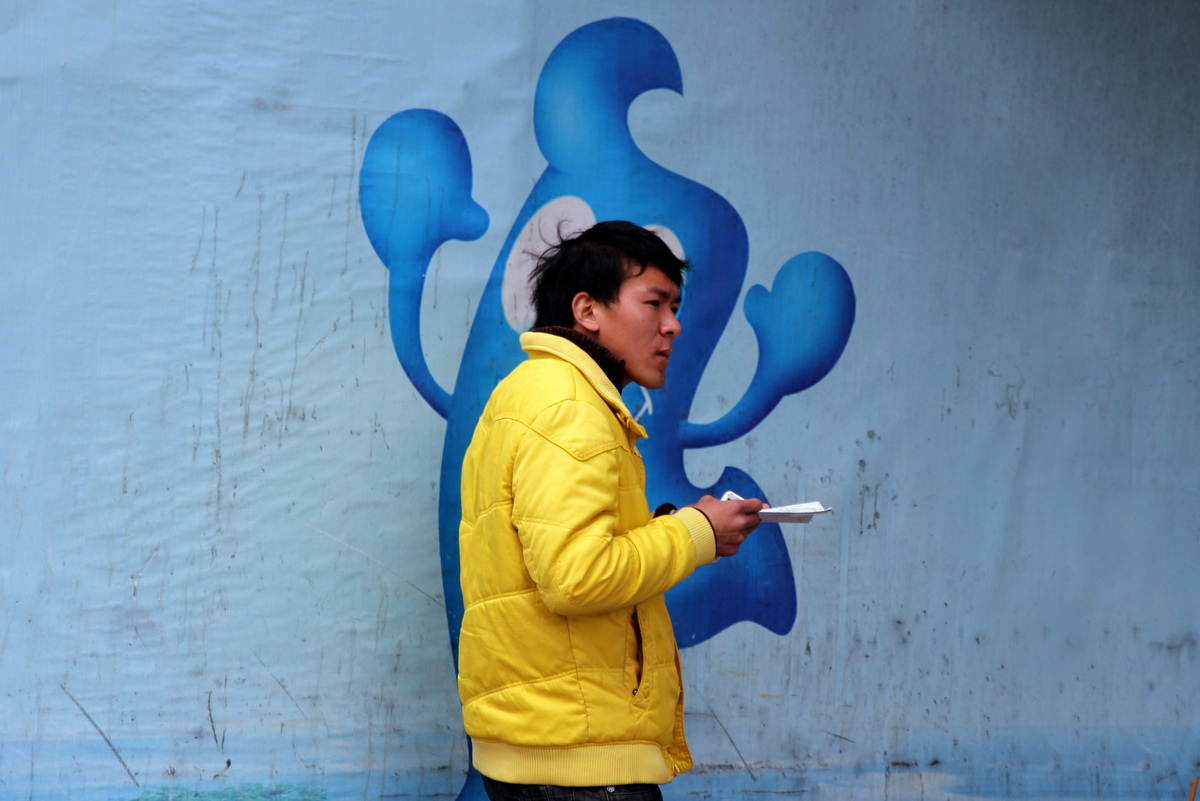
2010 World Expo mascot Haibao is still haunting this guy

We returned to the hotel, grabbed our bags and checked out. From the Peninsula we took a cab to the Maglev station for the seven-minute, 30-km zoom to the airport.

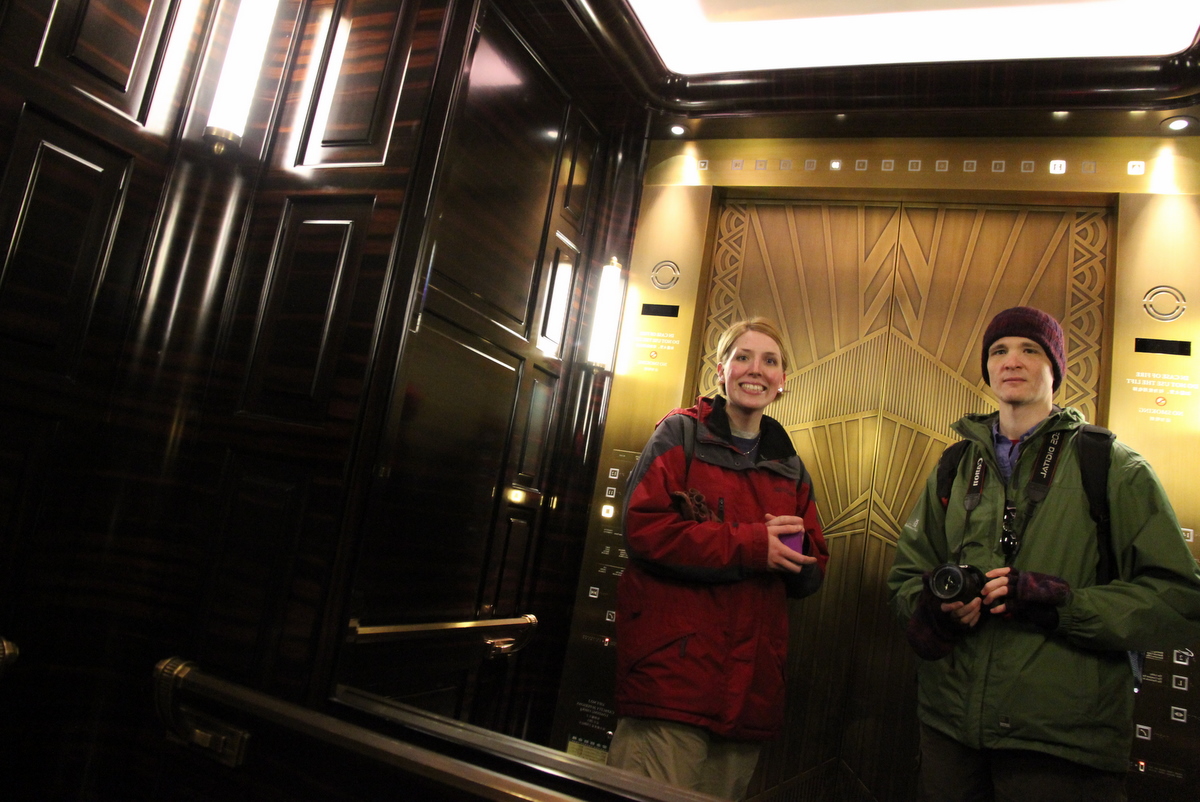
Peninsula elevator self-portrait

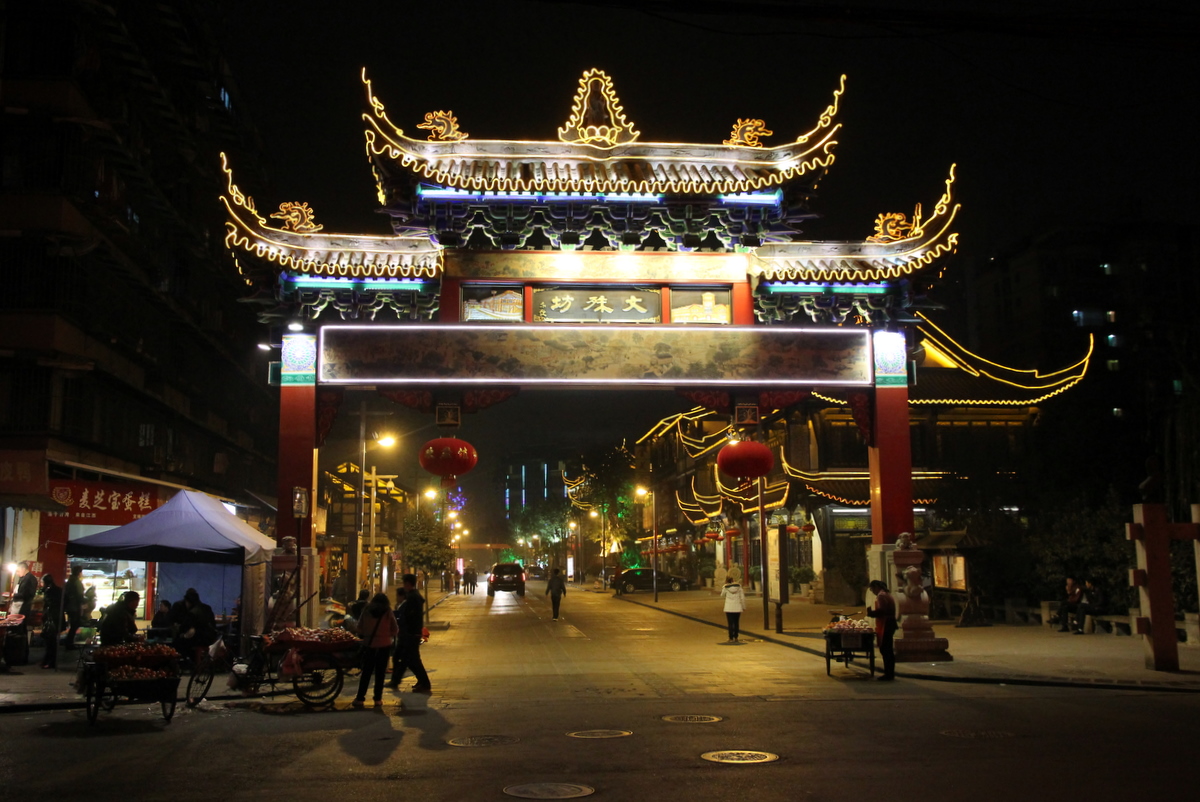
Our Sichuan Airlines flight was slightly delayed but otherwise non-eventful, and we arrived in Chengdu around 8 PM.  Thirty minutes later, our cab driver dropped us off at what appeared to be the entrance to a temple and motioned for us to walk in to find our hotel.    Adjacent to the famous Wenshuyuan Buddhist Temple, the Buddha Zen hotel proved to be quite difficult to locate and we had to ask for directions from some locals (who were hilariously excited to be of assistance and posed with us in several pictures before pointing us in the right direction).

Cabs can't drive directly to hotel; very few cars allowed on temple grounds


Helpful hint: print out EVERYTHING important in Chinese characters

The Buddha Zen Hotel combines Chinese aesthetics with Buddhist themes; both the hotel interior and rooms are decorated in Buddha Zen style.  I’d booked it based solely off of its number-one ranking on TripAdvisor without really knowing anything else about it, and we were delighted to find a unique boutique hotel with a great location, peaceful setting, and free breakfast. 🙂

Hotel is located within the "Folk Cultural Experiencing Zone"


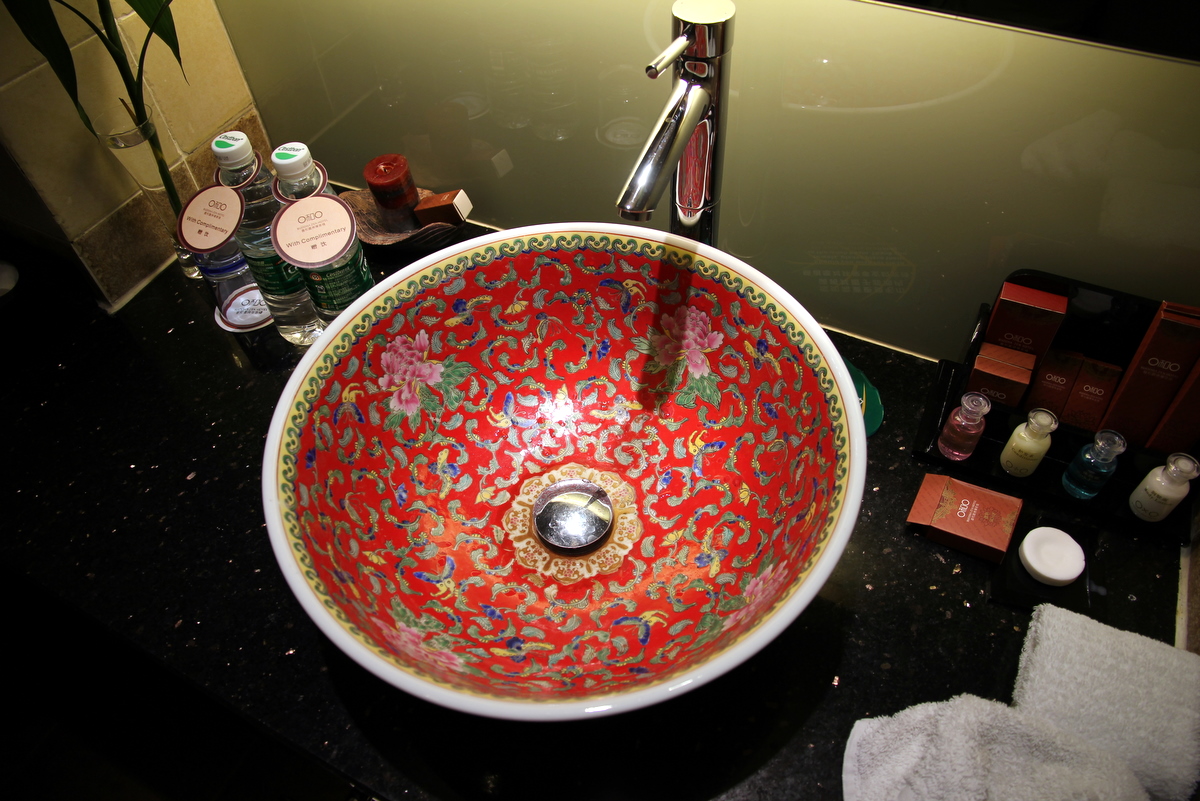
Cool bathroom sink

Hungry, we dropped our bags and went looking for dinner, using our “whatever we see first, we eat” method.  Around the corner from the hotel, we found a tiny stand with bowls of noodles on display and not a word of English anywhere, so we pointed to two different kinds and hoped for the best.

No English necessary to order this dinner


Fantastic spicy noodles -- tianshui mian on the left -- (only 75 cents a bowl!)

There were only a few shops and restaurants open as we walked back to the hotel; we looked forward to exploring the area in the daytime.

Not many people around after 9 PM


Friendly Chengdu folks

Our initial reaction to Chengdu was a great one – over the next couple of days we’re looking forward to exploring this Sichuan capital city (while trying to not scald our mouths on its famous mega-spicy cuisine).

Day 3: Suzhou/Shanghai

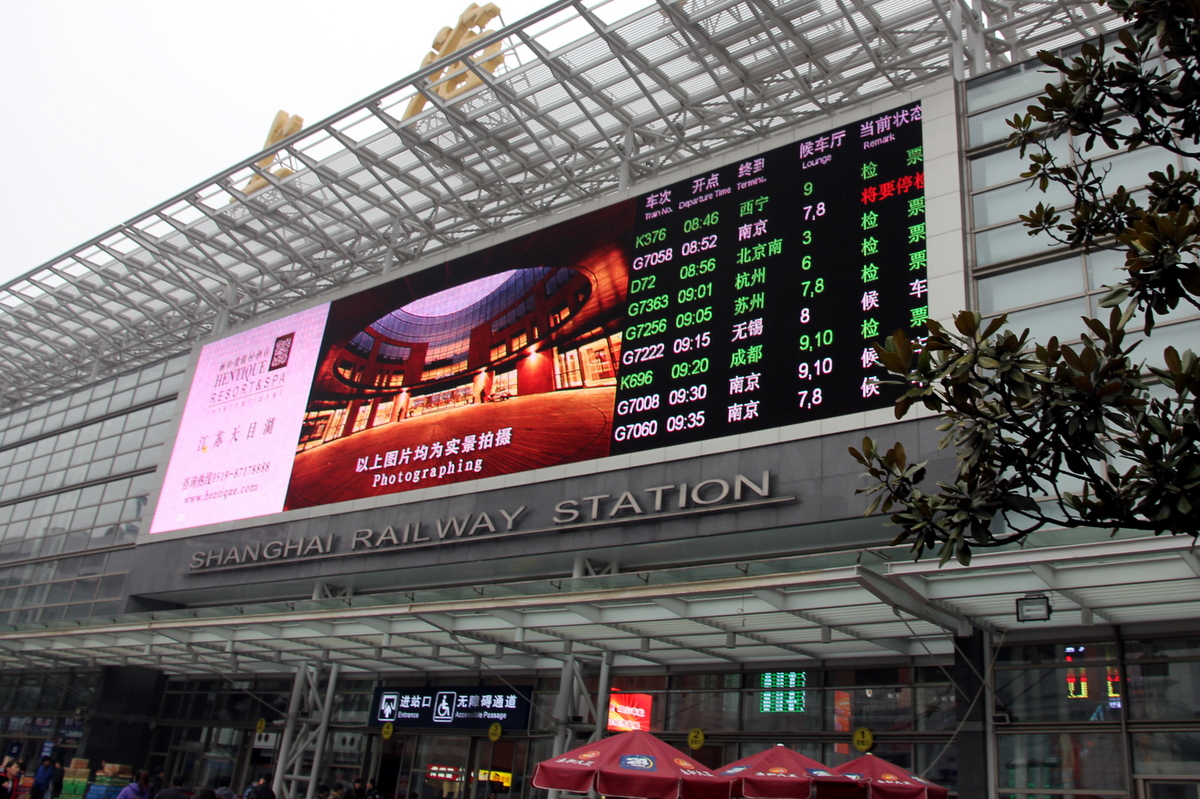
Today we took a day trip to Suzhou, a city 50 miles northwest of Shanghai.  Sometimes called “the Venice of the East” due to the series of interlocking canals that criss-cross the town, it’s known for its beautiful gardens and silk factories.  (Suzhou is also the world’s largest manufacturer of laptop computers.)  We took a high-speed train from Shanghai’s main railway station and arrived at Suzhou in 30 minutes.  The weather was cold, damp, and cloudy.

Much less confusing than Xian's rail station

After buying a map of the city, we looked for a taxi to take us to one of the gardens.  Before we found one, however, we were approached by a man offering a tour of five major sites in Suzhou, and after listening to his spiel we decided to do it.  Within minutes, we were in a van full of Chinese tourists, speeding toward the center of town and wondering what we’d signed up for.

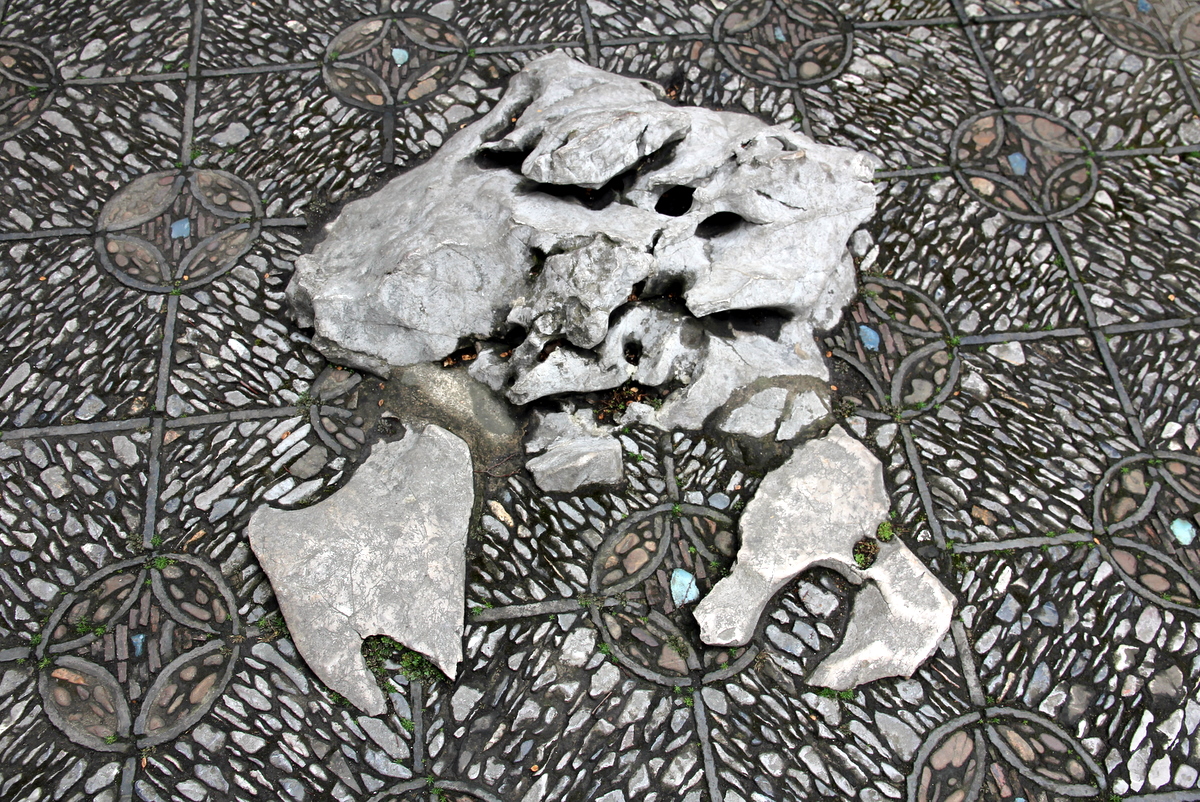
The first stop was Lion’s Grove Garden, a large garden consisting of four small lakes and Suzhou’s largest collection of rock formations, some said to resemble lions and other creatures.  Many of the rock formations were arranged to create a labyrinth of caves, and the whole area looked like a surreal moonscape.  The guided tour of the garden was in Chinese, of course, but one of the girls in the group asked if she could practice her English and translated for us.

Bridge in Lion's Grove Garden


Keeping the lake clean


A crab made from rocks


Matt posing with another lion

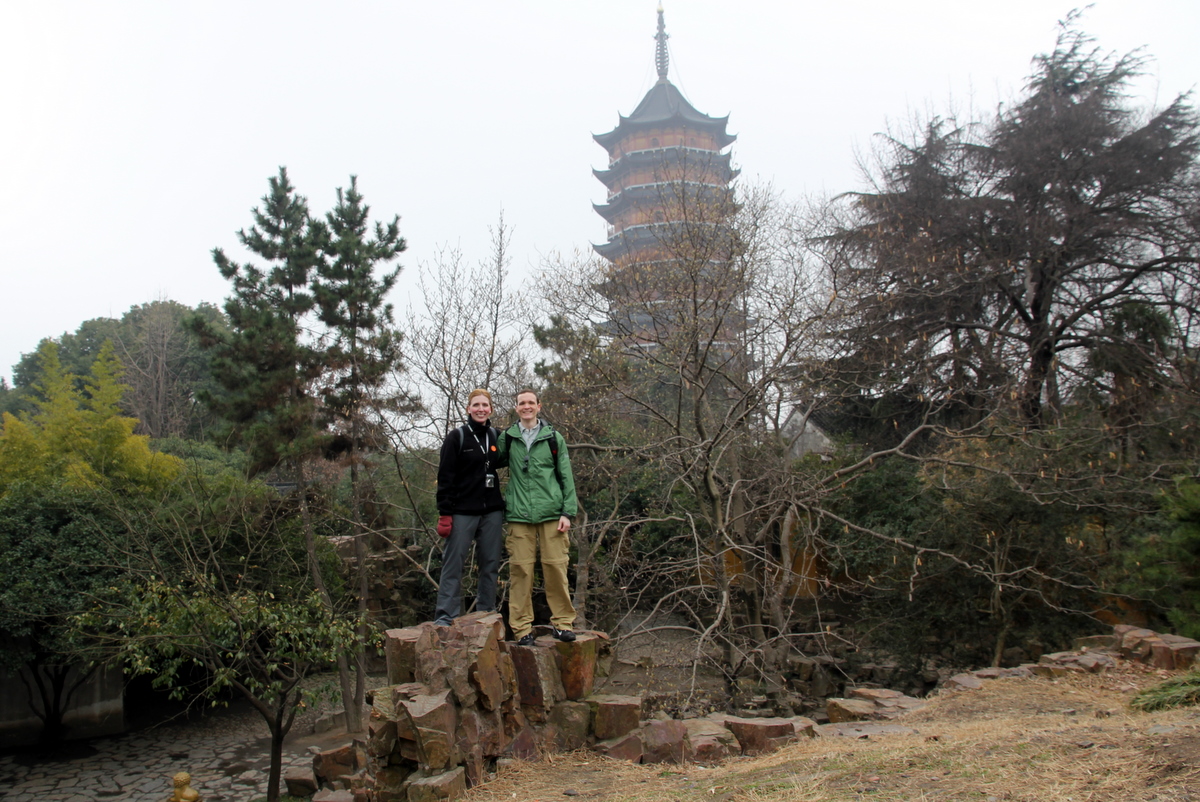
Next was the North Temple Pagoda, a nine-story temple that towers over the city and is one of the symbols of ancient Suzhou.  We were left to explore this area on our own (which was fine with us), and we started by climbing to the top of the wooden pagoda for some great views of the city.

The top level was covered in graffiti from people around the world. We did not add to it.


"When you get to my street, look for the white house with the black roof."

Beyond the pagoda was the Plum Garden, a lovely wooded area with more rock formations.   There were very few other visitors around, making this a very peaceful area to explore.

Lots of fish in this lake; they sell fish food during the busy season


Self-portrait in Plum Garden

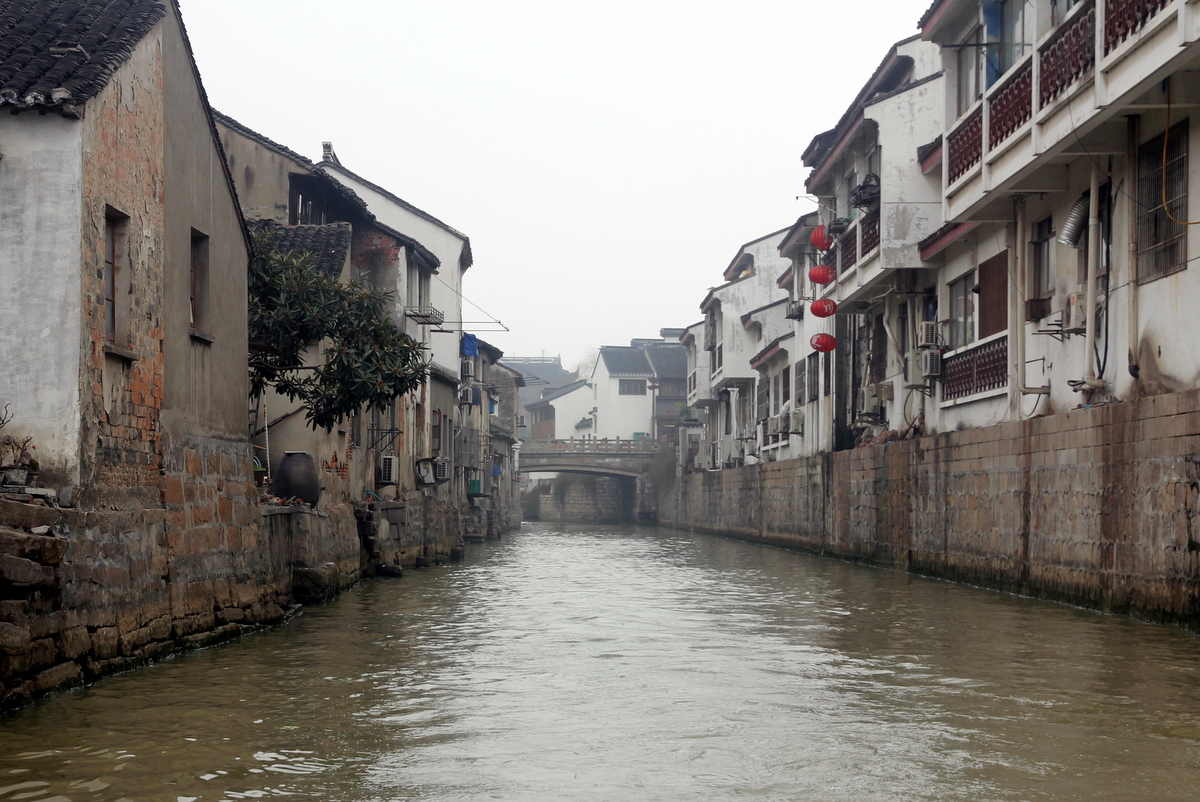
We stopped for lunch at the Green Leaf Inn (pork with potatoes, soup, sauteed cabbage, and eggs – decent, if not the greatest meal we’ve had in China) and shared a table with a guy from Russia, making conversation as best we could.  The next stop on the tour was a boat ride through one of Suzhou’s canals, and we passed under some really interesting bridges and peeked into people’s homes built right on the water.

These canals used to be packed with boats ferrying goods between city merchants

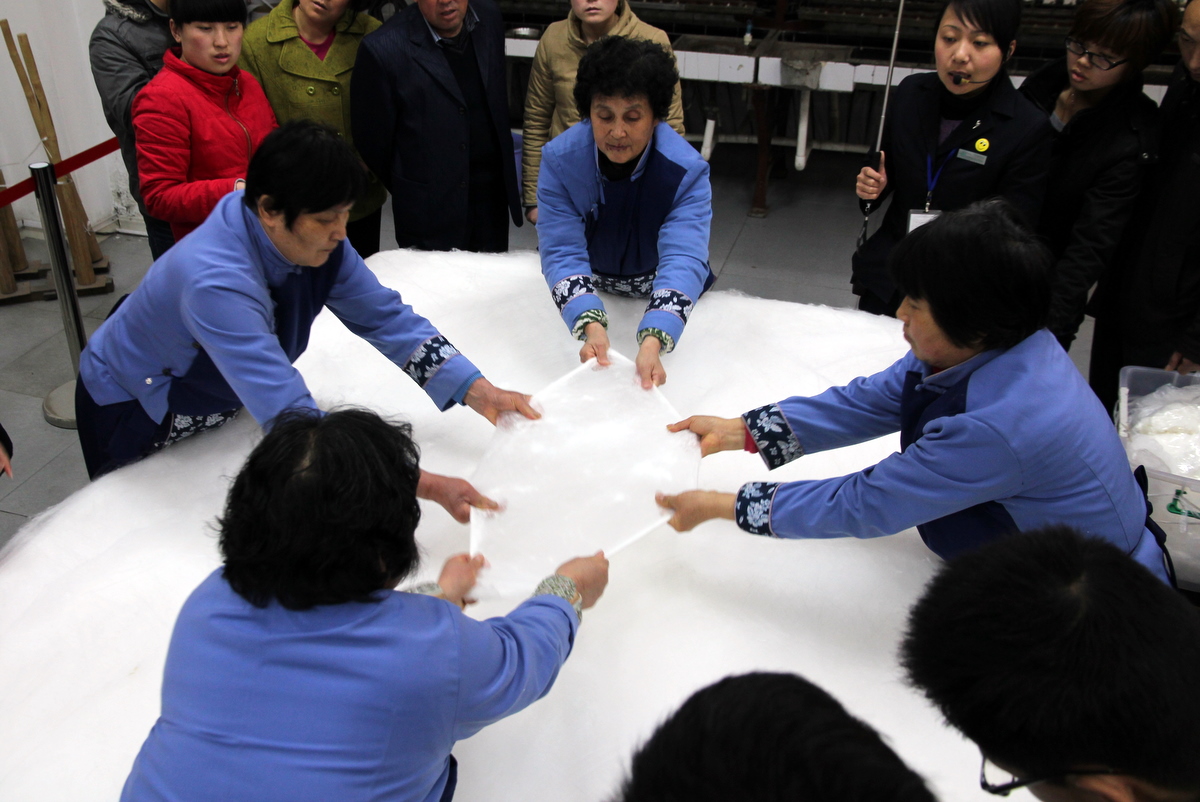
We left the boat and walked across the street to the Suzhou Silk Museum, where we viewed exhibits illustrating the cultivation of silkworms and production of silk thread, then watched four ladies demonstrate silk stretching.  This was the customary shopping stop, as the museum had a large store where one could purchase shirts, scarves, jackets, quilts, etc.

Stretching the silk bundles to make quilts

The last stop on our tour was the Fengqiao Bridge, a pretty little scenic area along the water where we watched a brief performance by two musicians (interesting, if a little random) and wandered through the small alleys filled with souvenir stands.

Fengqiao Bridge (with our tour group in the foreground)

Back at the rail station, we had tea and people-watched while waiting for our train to leave.  Back in Shanghai, we took the subway to the Super Brand Mall in Pudong, where we had dinner at Din Tai Fung, a Taiwanese chain that some say makes the best soup dumplings in the city.  As we have become dumpling lovers, we felt compelled to judge for ourselves.  We ordered pork and chive xiaolongbao, shredded pork fried rice, and chili long beans, and everything was excellent.

Fabulous dumplings but Yang's trumps all

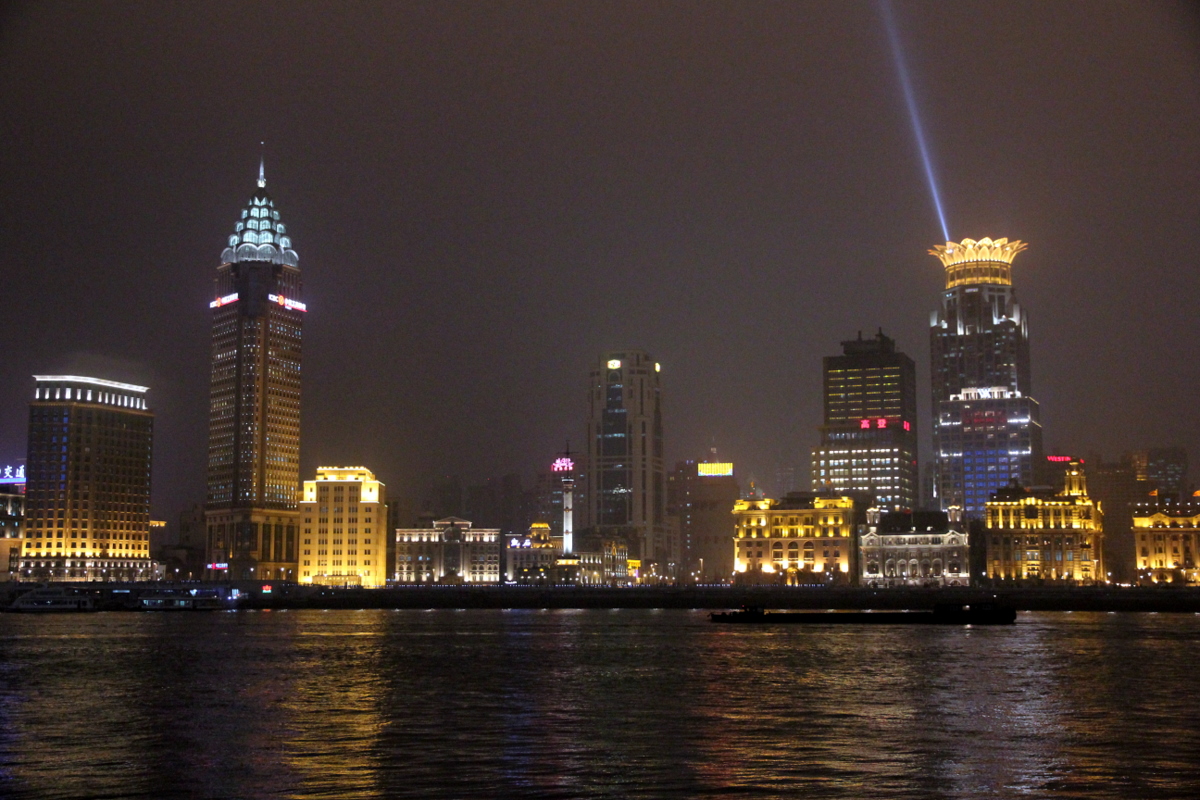
We walked along the riverfront so Matt could get some pictures of the Bund all lit up before heading back to the Peninsula, tired but pleased with the events of the day.  Despite our general avoidance of organized tours, we unexpectedly found an enjoyable and rather effortless way to see some major sights of Suzhou and still get back to Shanghai in time for another great meal.

Looking west at Puxi ("Xi" means west, "Dong" means east, and "Pu" refers to Huangpu River

Tomorrow is our last day in Shanghai before we head west to Chengdu.  Luckily our flight is late enough in the day to give us time for one last lunch at Yang’s…

Day 2: Shanghai

This morning we hung around the hotel, researching and making plans for our short time in Shanghai.  First on the list: a return trip to Yang’s Fry Dumplings, a tiny, blink-and-you-miss-it restaurant with dumplings so good they’d be worth the trip to China all on their own.

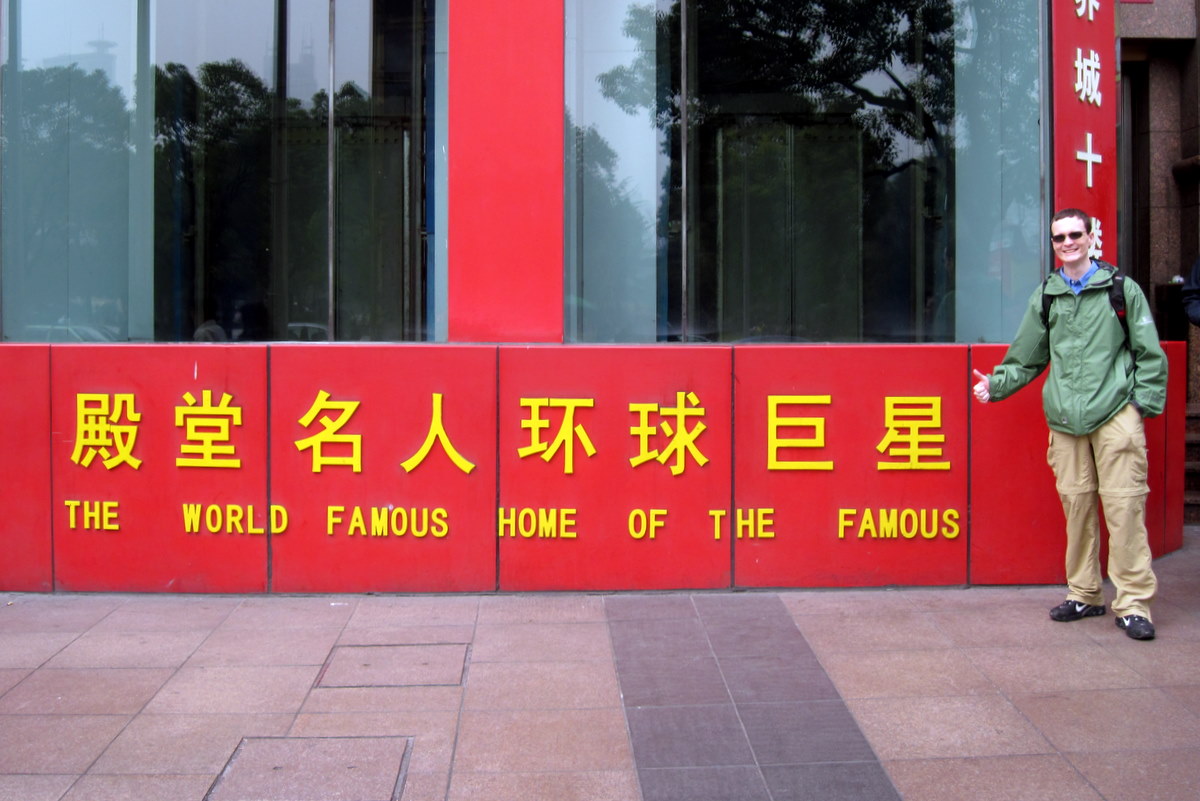
Famous what?


Best lunch in Shanghai, no contest.

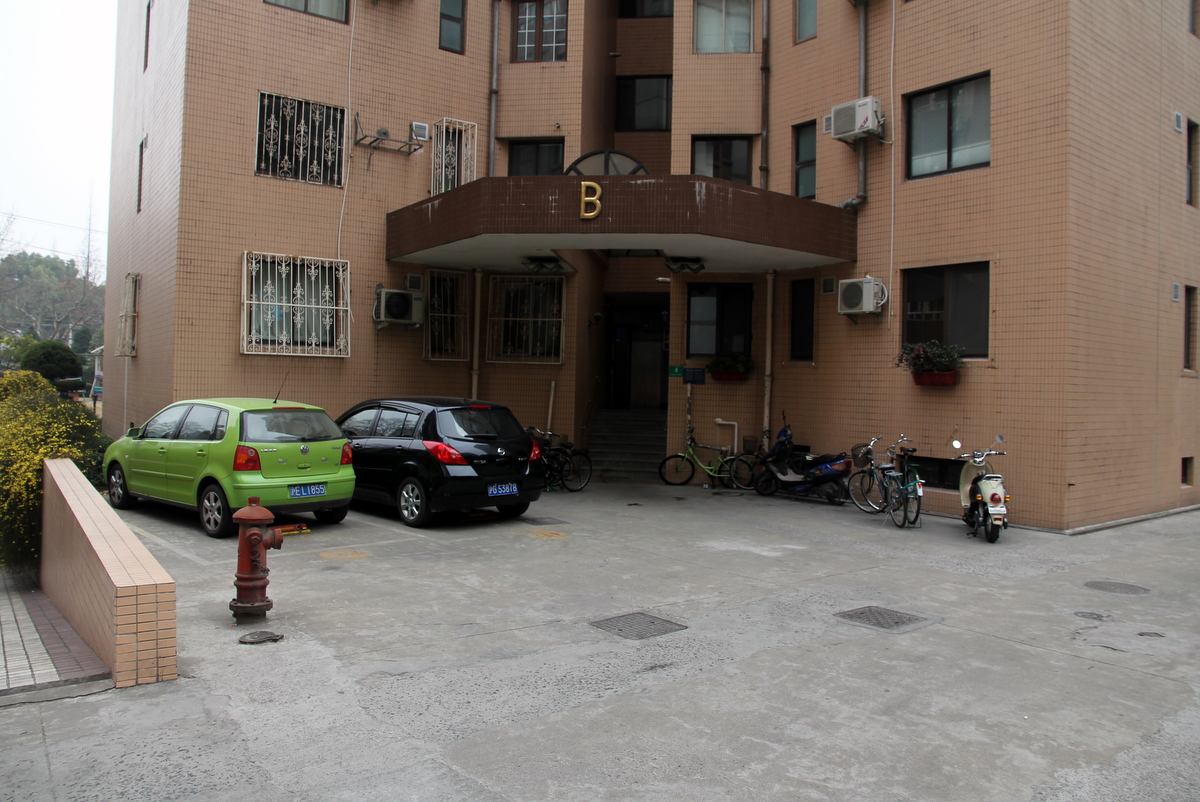
Three orders of dumplings later, we set off to find the Shanghai Propaganda Poster Art Center, a place Matt read about online.  We arrived at the correct address to find a group of apartment buildings and no sign of the museum.  A nearby security guard, sensing our obvious confusion, handed us a business card for the art center and pointed us behind the apartments.   Without him, we’d have had no chance.

Entrance to the museum. This is "Amazing Race" material. How does anybody find this place?

With nearly 5000 pieces produced between 1949-1979, the Propaganda Poster Art Center houses the largest collection of propaganda posters in the world.  These posters were how Chairman Mao and the Communist Party of China “informed and restored the collective mind of the Chinese people”, and each poster is both a piece of art and an insight into the events of the time.  Poster themes included the anti-American sentiment during wartime, the push for science and technology development, the good relations (and subsequent poor relations) with the Soviet Union, the “One Child-One Family” law, and in a majority, the unequaled presence of Chairman Mao.  Helpful English translations were posted, and the director of the center was there to give further background on a few of the pieces.  Not listed in any guidebook, the art center was a fascinating look at an important part of Chinese history hidden away in the basement of a non-descript apartment building.

An amazing collection of artwork


Five of the most important men to Communist ideology: Marx, Engels, Stalin, Lenin, and Mao.


"March Towards the Top Science" from 1959

Next, we headed for Taikang Lu, an arts and crafts enclave in the French Concession neighborhood.  Largely hidden from the outside, it is accessed via small lanes off the neighboring streets and quickly expands to an elaborate collection of interesting shops, galleries, and restaurants.   We spent a couple of hours browsing and navigating the crowds through the tiny, narrow lanes (one store had clothing and other pieces made of 100% Tibetan yak fur; so soft but at $85 for a hat, we passed).

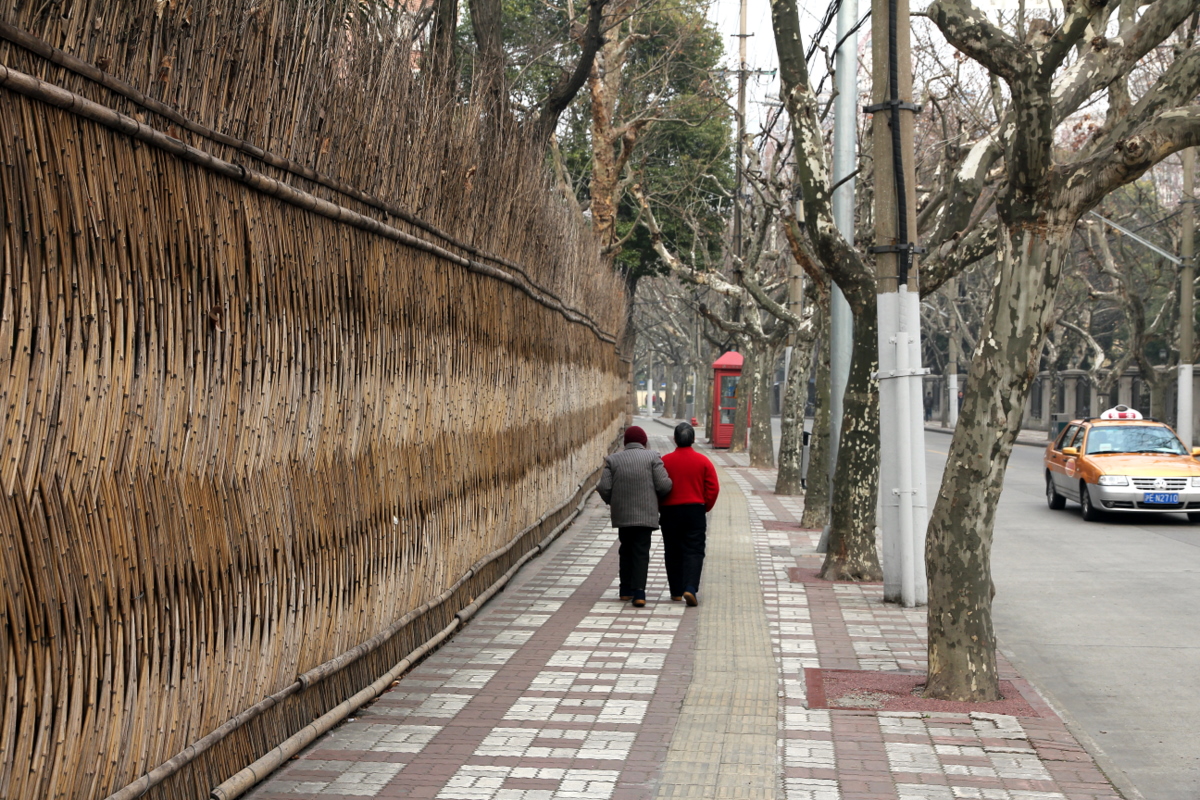
Unique fence construction


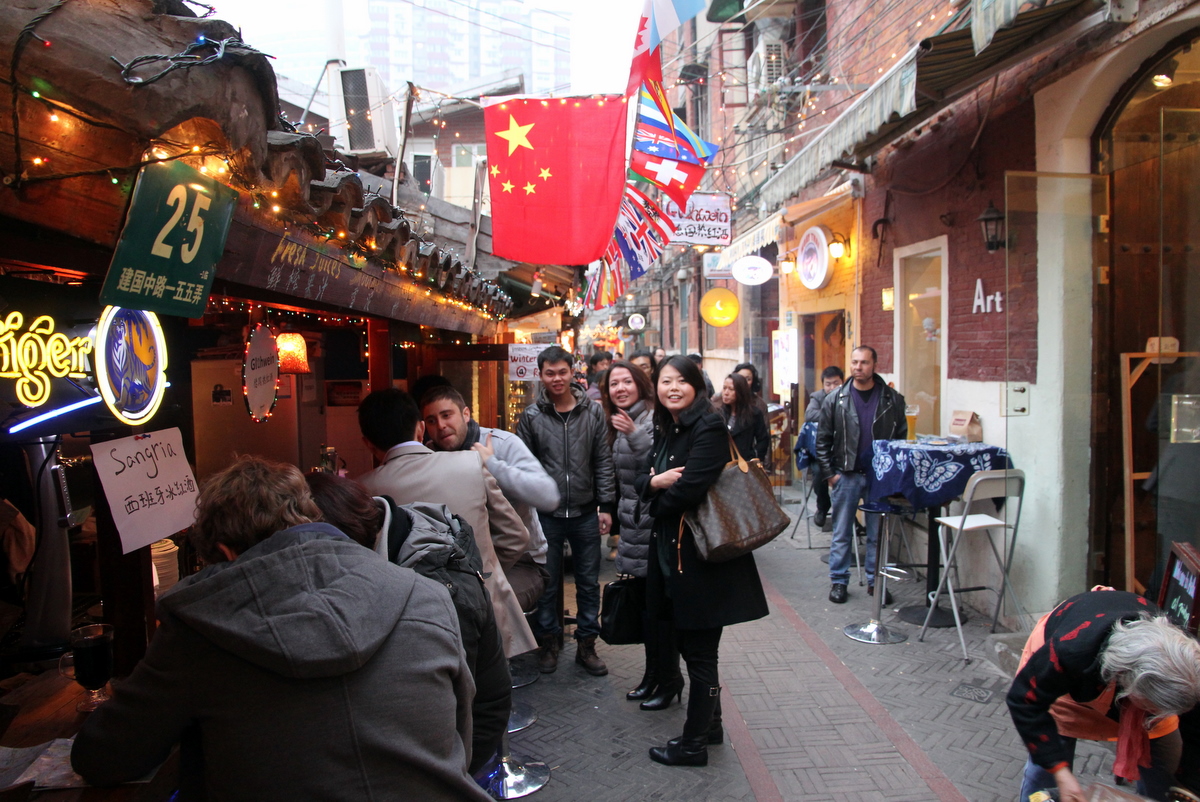
The narrow lanes and diverse shops of Taikang Lu

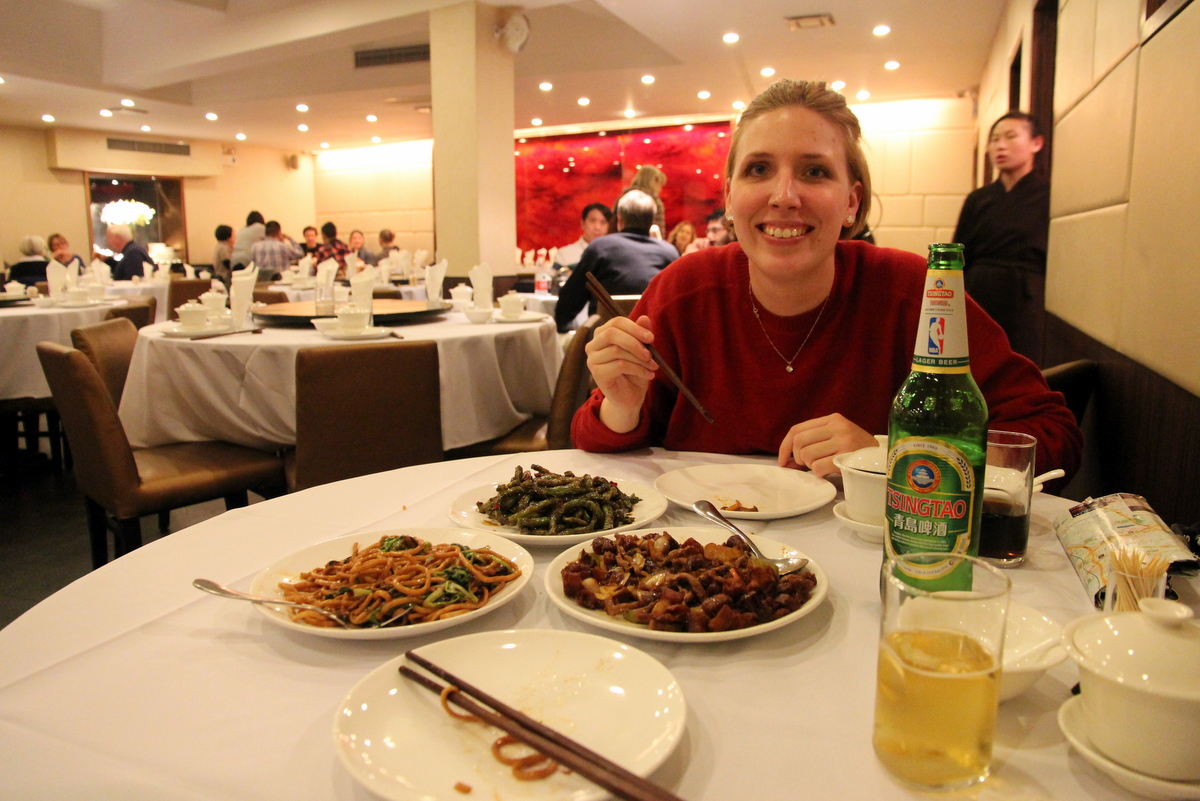
Dinner was at 1221, a restaurant recommended for having some of the best Cantonese food in the city.   We enjoyed a fantastic meal of stir-fried shredded beef, Shanghainese noodles, sauteed green beans with garlic and chilies, and banana sticky rice.  By the time we left, the place was absolutely packed; we can certainly understand why!

Delicious dinner!

Having had enough public transportation for the day, we called a cab to take us back to the hotel.  We are not cab people – we take trains everywhere we can go when we’re in Asia, and are often the only foreigners we see on them – but we had to admit that at a fraction of the time and only slightly higher cost, cabs are definitely a welcome option from time to time.   It was a great day – excellent food, fun shopping, and an incredibly interesting visit to a museum way off the beaten track and a place most visitors to Shanghai likely never get to see.